
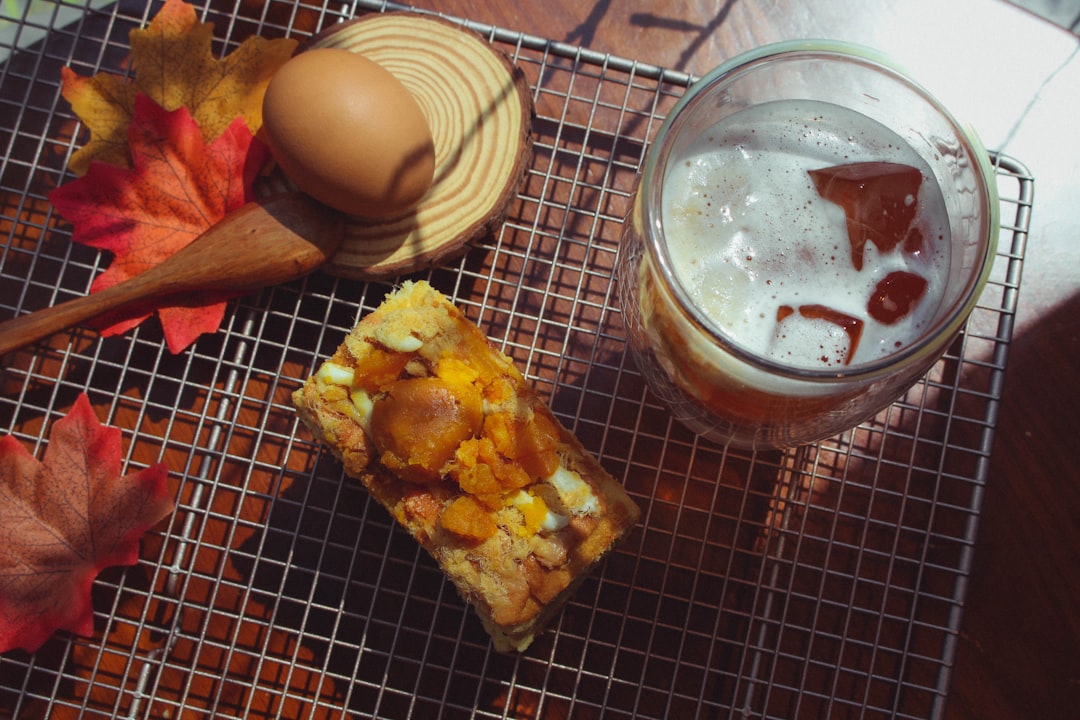
Chocolate lava cake meets imperial stout: that's one of many delicious beer and dessert pairings to explore. Craft beer's wide flavor range—from roasty, coffee-like stouts to bright, fruit-forward sours—makes it a perfect partner for desserts. This guide walks readers through pairing principles, practical examples, and creative menus so hosts and beer lovers can match sweets with brews confidently and inventively.
Why Pair Beer With Dessert?
Pairing beer with dessert isn't just a novelty. Beer brings aromatics, carbonation, bitterness, and alcohol that interact with sugar, fat, acidity, and texture in desserts. Where wine often focuses on sweetness levels and acidity, beer adds a broader palette of roasted flavors, hops-derived bitterness, tannin-like astringency, and residual malt sweetness. That complexity can elevate a dessert, balance cloying sweetness, or create a contrasting sensation that refreshes the palate.
Beer Republic carries a wide selection of American and Canadian craft beers—from milk stouts and barrel-aged beauties to crisp lagers and tart sours—making it an ideal resource for experimenting with beer and dessert pairings. Their collections and fast shipping help hosts assemble thoughtful beer tasting menus alongside desserts without hunting across multiple shops.
Core Principles of Successful Pairings
Good pairings rest on a few simple ideas. A host who understands these can mix and match confidently.
1. Balance Intensity
Match the strength of the beer's flavors to the dessert. A light lemon tart will be overwhelmed by a boozy barleywine; likewise, a delicate almond biscotti will disappear next to a thick imperial stout. Aim for comparable intensity so neither component dominates.
2. Complement or Contrast
- Complement by matching similar flavors: chocolate with roasted malts; caramelized sugar with toffee-like malts.
- Contrast by offsetting sweetness: a tart sour with rich cheesecake, or a hoppy IPA with a doughy, sugary donut.
Both approaches work—what matters is clarity of intention. Complementary pairings deepen a flavor profile, while contrasting ones create balance and refresh the palate.
3. Consider Sweetness and Bitterness
Sweetness can mask subtle flavors; bitterness and acidity cut through sweetness. For very sweet desserts, higher bitterness or higher acidity in the beer prevents everything from becoming cloying. Conversely, if the beer is very bitter, pairing with something fatty or sweet can soften that perception.
4. Mind Mouthfeel and Temperature
Alcohol percentage and body affect perception. Rich desserts pair best with full-bodied beers—stouts, porters, barleywines—while lighter cakes and fruit desserts suit delicate lagers, wheat beers, and saisons. Serving temperature also matters. Chill lagers colder; serve stouts and barleywines slightly warmer to reveal aromatics.
5. Use Aromatics as a Bridge
Spices, citrus zest, coffee notes, and vanilla in both beer and dessert act as bridges. A cinnamon-spiced beer naturally complements apple pie; a vanilla-forward milk stout pairs seamlessly with crème brûlée.
How to Taste and Test Pairings
Pairing is part science, part personal preference. Hosts who taste methodically will find matches faster.
- Taste the beer alone first. Note bitterness, sweetness, aromatics, carbonation, and finish.
- Taste the dessert on its own. Identify dominant flavors, sweetness level, fat, and texture.
- Take a sip of beer, then taste dessert. Pay attention to what changes—does the beer become sweeter, more bitter, or does the dessert's texture change?
- Try the reverse: dessert first, then beer. Order affects perception.
- Make small adjustments. If a pairing leans too sweet or too bitter, swap to a beer with higher acidity, lower IBUs, or a different body.
Classic and Excellent Beer and Dessert Pairings
The following pairings are proven starting points. Each includes why the combination works and suggestions for beer styles. Where relevant, Beer Republic’s selection can help locate suitable beers quickly.
Chocolate Desserts
Chocolate is broad: milk chocolate is creamy and sweet, while dark chocolate brings bitterness and tannin-like qualities. Pairings should reflect that spectrum.
-
Dark Chocolate Cake or Chocolate Mousse
Pair with: Imperial Stout, Russian Imperial Stout, or Chocolate Porter. The roast and chocolate malt in these beers amplify cocoa notes. Barrel-aged imperial stouts add bourbon or bourbon-barrel complexity—think coffee, oak, and vanilla—that pairs with dense chocolate desserts.
-
Milk Chocolate or Chocolate Truffles
Pair with: Milk Stout or Sweet Stout. The lactose in milk stouts contributes creaminess and residual sweetness that mirrors the dessert without being cloying.
-
Chocolate and Chili Desserts
Pair with: Hoppy Amber Ale or Brown Ale. The malt sweetness calms the heat, while restrained hops highlight chili-spice elements without amplifying them.
Cheesecake and Creamy Desserts
Rich, creamy desserts like cheesecake or crème brûlée need acid or bitterness to cut through fat.
-
Classic New York Cheesecake
Pair with: Belgian Tripel, Saison, or Fruited Sour. A saison's peppery, effervescent profile refreshes the palate; a lightly tart fruit sour (raspberry or cherry) contrasts sweetness and lifts creaminess.
-
Crème Brûlée
Pair with: Vanilla-forward Milk Stout or Imperial Porter. Vanilla in the beer complements the dessert's brûléed custard and burnt sugar crust.
Fruit-Based Desserts
Fruit tarts, pies, and sorbets naturally gravitate toward beers with bright acidity and clean finishes.
-
Apple Pie
Pair with: Brown Ale, Pumpkin Ale (seasonal), or English Bitter. Nutty maltiness and gentle caramel notes match baked apples; a brown ale's caramel and toffee balance cinnamon spice.
-
Lemon Tart or Lemon Bars
Pair with: Pilsner, Kölsch, or a Belgian Witbier. Crisp, citrusy beers mirror lemon's brightness; the carbonation cleanses the palate.
-
Berry Tarts
Pair with: Fruit Lambic, Sour Ale, or Berliner Weisse. The tartness accentuates berry notes and prevents overwhelming sweetness.
Caramel, Toffee, and Butterscotch
Caramel and toffee pair well with beers that display similar malty caramel notes.
-
Sticky Toffee Pudding or Flan
Pair with: Baltic Porter, Scotch Ale (Wee Heavy), or Brown Ale. Rich, malty beers with toffee character echo dessert flavors and provide a warming finish.
-
Salted Caramel Desserts
Pair with: Imperial Stout or Barrel-Aged Brown Ale. Salt accentuates malt sweetness and roasty notes; barrel-aged options add vanilla and oak.
Bakery Desserts and Pastries
Donuts, cinnamon rolls, and churros are versatile and fun to pair.
-
Glazed Donuts
Pair with: Pilsner, Cream Ale, or Hazy IPA. Light lagers keep things simple; a hazy IPA's soft bitterness and tropical hop character can add an unexpected but delicious contrast.
-
Cinnamon Rolls
Pair with: Bock, Doppelbock, or Brown Ale. Rich malt and subtle sweetness harmonize with cinnamon and butter.
Ice Cream and Floats
Ice cream opens playful pairings: coffee and stout, fruity sorbet and sour beer, or classic root beer floats with craft alternatives.
-
Vanilla Ice Cream
Pair with: Porter, Milk Stout, or Coffee Stout. The roasted, coffee-like notes in the beer enhance ice cream's vanilla and create a decadent contrast.
-
Berry Sorbet
Pair with: Fruited Gose or Berliner Weisse. Low-alcohol, tart beers echo berry brightness and refresh between bites.
-
Adult Float
Pair with: Cream Ale or Vanilla Porter. Pour the beer over the ice cream for a beer float—rich, fizzy, and nostalgic.
Nutty Desserts
Pecan pie, baklava, and marzipan bring oils and nuttiness that can marry with malty, woody, or vinous beers.
-
Pecan Pie
Pair with: Barleywine, Scotch Ale, or Amber Ale. High malt sweetness and dried fruit notes in barleywine can mirror pie's richness; amber ales offer a lighter, complementary balance.
-
Baklava
Pair with: Belgian Quad or Strong Dark Ale. Fig-and-dates characteristics in a quad work well with honey-soaked pastry; alcohol warmth stands up to dense textures.
Unexpected and Creative Matches
Some matches surprise at first but make great discoveries.
- IPA and Lemon Cake — The bright citrus hop character complements lemon and cuts through buttery crumb.
- Sour Ale and Chocolate Tart — Tartness brightens dense chocolate, making flavors pop; it’s a modern, adventurous combo.
- Gose and Cheesecake — Gose's salt and acidity accentuate creaminess while the beer's wheat body supports texture.
- Smoked Porter and Cinnamon-Spiced Apple Tart — Smoky notes add savory complexity to baked fruit.
Understanding Beer Styles for Dessert Pairing
Knowing common beer styles and their tasting profiles helps create informed pairings. Here are useful style notes.
Stouts and Porters
Characteristics: Roasted malt, coffee, chocolate, caramel, full body. Great with chocolate, coffee desserts, and caramel.
Barleywines and Strong Dark Ales
Characteristics: High alcohol, dried fruit, caramel, toffee, sometimes vinous notes. Excellent with nutty, caramel-rich desserts and heavy cakes.
Sours and Fruit Lambics
Characteristics: Tart, fruity, sometimes funky. Perfect for fruit desserts and creamy, rich sweets where acidity is needed.
Belgian Ales (Tripel, Dubbel, Quad)
Characteristics: Fruity esters, spicy phenols, varying sweetness. Tripel works with lighter creams and fruit; dubbel and quad match rich caramel and nut desserts.
IPAs
Characteristics: Hop-forward, citrus, resinous, piney or tropical. Hazy IPAs with lower bitterness can complement fruity desserts; classic IPAs contrast sweet pastries.
Lagers and Pilsners
Characteristics: Clean, crisp, moderate bitterness (pilsner), lighter body. Ideal for lemon bars, fruit sorbets, and desserts needing palate cleansing.
Wheat Beers and Witbiers
Characteristics: Bready, citrusy, sometimes clove or coriander. Match with citrus desserts, lighter cakes, and creamy pastries.
Putting Together a Dessert-and-Beer Tasting Menu
For gatherings, a structured tasting moves from light to heavy, or from tart to sweet. Here's a sample four-course dessert pairing menu that balances the palate and keeps the evening lively.
- Palate Opener — Lemon sorbet with Pilsner: bright, cleansing.
- Fruit Course — Berry tart with Fruited Berliner Weisse: tart and refreshing.
- Cream Course — Vanilla crème brûlée with Vanilla Milk Stout: complementary sweetness and cream.
- Decadent Finale — Warm chocolate fondant with Imperial Stout: bold, roasty, and luxurious.
Hosts can scale this approach to more courses, or create a themed tasting—“Chocolate Flight,” “Summer Fruits,” or “Barrel-Aged Wonders.” Beer Republic’s curated collections and fast shipping make assembling flights straightforward for last-minute plans.
Practical Tips for Serving Beer With Dessert
- Serve in small pours. For flights, 3–4 oz tastes let guests sample multiple pairings without getting fatigued.
- Mind temperatures. Lagers and sours should be chilled; stouts and barleywines benefit from slightly warmer temperatures to reveal aroma—around 50–55°F for big beers.
- Use appropriate glassware. Tulip or snifter glass for stouts and Belgian ales; tulip or flute for sours and lambics; pint or nonic for ales and IPAs.
- Label flights. Small cards describing beer style and dessert help guests follow along and compare notes.
- Keep palate cleansers on hand. Plain water and unsalted crackers between pairings reset taste buds.
Common Mistakes to Avoid
- Pairing weak beers with intensely flavored desserts. The dessert will win every time.
- Ignoring acidity. Too much sweetness with low-acidity beer becomes cloying.
- Overcooling big beers. Very cold stouts mute flavors; let them warm slightly.
- Forgetting presentation. A thoughtful flight setup elevates the experience. Even small touches—matching plates, proper glassware—help guests appreciate nuances.
Shopping Tips: How Beer Republic Helps Build Great Pairings
Readers who want to explore beer and dessert pairings will appreciate a resource with wide selection and easy navigation. Beer Republic specializes in American and Canadian craft beers across styles and collections, including stouts, barrel-aged beers, fruited sours, and IPAs—categories central to dessert pairings.
- Curated Collections: Collections grouped by style or theme make it easy to assemble tasting flights—“Dessert Stout Collection” or “Summer Sours” for instance.
- Fast Shipping: Quick delivery ensures hosts can plan last-minute tastings or parties.
- Detailed Descriptions: Style notes and ABV/IBU indicators help match intensity to desserts.
For those unsure where to start, looking for a milk stout for chocolate desserts or a fruited sour for berry-based sweets is a practical approach. Beer Republic’s filtering by style, country, and flavor profile aids discovery and reduces decision fatigue.
Pairing for Dietary Restrictions and Nontraditional Desserts
Not everyone wants heavy cream or dairy. Beer pairings adapt well to vegan, gluten-aware (though not gluten-free unless labeled), or sugar-conscious desserts.
- Vegan Chocolate Mousse pairs perfectly with an Imperial Stout—the beer's roastiness mirrors dark chocolate even without dairy.
- Fruit-based Vegan Pies match with Wheat Beers or low-alcohol sours.
- Gluten-Reduced Options: While most craft beer contains gluten, some breweries produce gluten-reduced or gluten-free beers. Beer Republic includes descriptions that can help identify these options.
Scaling From Casual Sips to Serious Tastings
Pairings can be casual—a donut with a morning cream ale—or formal, like a staged tasting for a small group. For more serious tastings, consider:
- Providing tasting sheets for notes.
- Explaining pairing intentions—complement or contrast—so guests can evaluate.
- Using consistent sip-and-bite intervals to compare across beers.
- Including an oddball pairing as a conversation starter.
Final Thoughts
Beer and dessert pairings open a creative world where roast, hops, funk, and malt meet sugar, cream, fruit, and spice. Whether a baker wants to elevate a signature dessert with a similarly flavored beer or a host wants a refreshing counterpoint to a heavy finale, the right beer can transform the experience. Starting from the basic principles—balance intensity, consider complement vs. contrast, and mind texture—readers can experiment confidently.
Beer Republic's broad catalog of American and Canadian craft beers makes it easier to find the right styles for pairing experiments. From a silky milk stout to a tart fruit lambic, the right bottle is often just a few clicks away, and fast shipping helps keep plans flexible.
With a little curiosity and the tasting steps in this guide, readers will discover pairings that surprise and delight, generating memorable experiences for friends and fellow craft beer fans.
Frequently Asked Questions
Can any beer be paired with dessert?
Most beers can work with some desserts, but the success depends on matching intensity and flavor. Light beers suit light desserts; big, roasty beers pair best with dense, chocolatey, or caramel-rich desserts. A few mismatches—very bitter beers with very sweet desserts, for example—can feel unbalanced.
Should dessert beer be sweeter than the dessert?
Not necessarily. While a beer slightly sweeter than the dessert can be harmonious, contrast also works well. A tart or bitter beer can cut through a rich, sweet dessert and refresh the palate. The key is to avoid having both elements be overwhelmingly sweet without acidity or bitterness to balance them.
How should beers be served with dessert (temperature and glassware)?
Serve lighter beers (lagers, pilsners, sours) colder—around 38–45°F. Serve stouts, porters, and barleywines slightly warmer—around 50–55°F—to reveal aromas. Glassware matters: tulip or snifter glasses concentrate aromas for stronger beers; pint glasses or nonic work for ales and IPAs. Use small pours for tastings.
Are there seasonal beers that pair particularly well with certain desserts?
Yes. Autumnal spiced ales and pumpkin beers match well with apple, pumpkin, and spice-forward desserts. Summer fruit sours and wheat beers pair nicely with berry tarts and sorbets. Winter barrel-aged stouts and barleywines are excellent with chocolate, pecan pie, and caramel-forward desserts.
Where can someone find suitable beer options for dessert pairings?
Specialty retailers and craft beer shops are good starting points. Online shops like Beer Republic offer curated collections, style filters, and fast shipping, making it convenient to assemble pairing flights from quality American and Canadian craft beers.
