
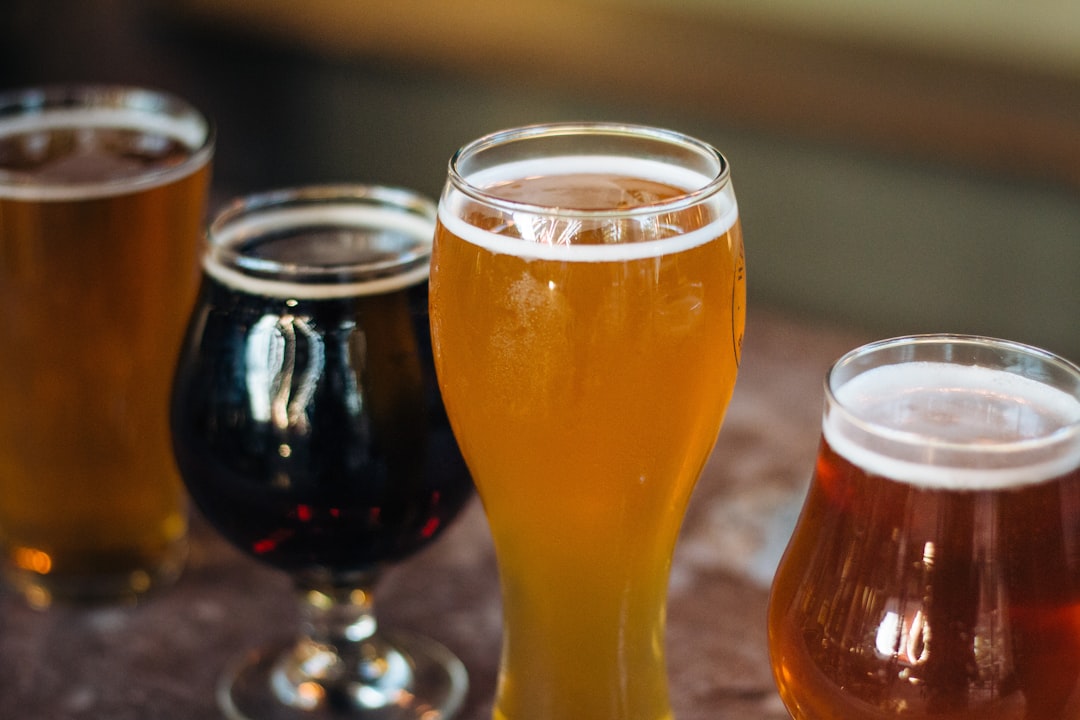
Understanding beer styles gives drinkers a map to the vast world of craft beer—what to expect from a pour, how to pair it with food, and how to discover new favorites. This guide walks readers through the building blocks of styles, major families like ales and lagers, popular substyles (IPAs, stouts, sours), tasting techniques, and practical tips for buying and storing craft beer. Whether someone is a beginner looking for direction or a seasoned enthusiast refining their palate, the goal is to make style names feel less like jargon and more like useful shorthand for flavor and experience.
Why Understanding Beer Styles Matters
Knowing beer styles helps readers shop smarter, taste more thoughtfully, and communicate preferences clearly. Instead of grabbing a random can, they can look for descriptors—hoppy, malty, dank, fruity—that match what they enjoy. For craft beer fans, understanding styles also opens up exploration: once they like an American IPA, they'll know to branch into West Coast, New England, and imperial variations. For casual drinkers, style knowledge reduces overwhelm when browsing shelves or a Beer Republic collection.
- It narrows choices in a crowded market.
- It improves pairing decisions for meals and events.
- It helps recognize freshness and storage needs.
What Defines a Beer Style?
Beer styles are defined by a mix of ingredients, fermentation method, production technique, and historical or regional tradition. A style isn’t an exact recipe, but a range of characteristics that give a beer its identity. The main factors are:
Ingredients
Malt: Provides sugars for fermentation and contributes sweetness, color, and body. Pale malts produce golden to amber beers; roasted malts add brown and black hues with coffee or chocolate notes.
Hops: Deliver bitterness, aroma, and flavor. Hops range from floral and citrusy to piney and resinous; hop-forward styles like IPAs showcase these traits.
Yeast: Yeast does more than produce alcohol and CO2. It shapes esters (fruity notes) and phenols (spice, clove), and in some styles like Belgian ales and hefeweizens, yeast character is central.
Water: Often overlooked, water chemistry influences minerality and can accentuate hop bitterness or malt sweetness.
Fermentation: Ale vs. Lager
The yeast strain and fermentation temperature create the big split between ales and lagers. Ales ferment warm (top-fermenting yeast), producing fruity esters and a broader flavor range. Lagers ferment cool (bottom-fermenting yeast) and typically yield cleaner, crisper flavors. This distinction sets the stage for many substyles.
Technical Metrics
- ABV (Alcohol By Volume): Indicates strength and often correlates with perceived body and sweetness.
- IBU (International Bitterness Units): Measures bitterness from hops. Higher IBUs usually mean more perceived bitterness, but malt and alcohol can balance it.
- SRM (Standard Reference Method): A color scale—pale beers have low SRM, dark beers have higher values.
Production Methods
Techniques like kettle souring, barrel aging, dry-hopping, and extended aging with wild yeasts create distinct categories. For example, kettle-soured beers (goses and some Berliner Weisses) emphasize tartness, while barrel-aged stout developments add vanilla, oak, and oxidized fruit notes.
Major Beer Families and Their Key Substyles
This section breaks the beer world into approachable families and highlights the most recognizable substyles within each.
Ales
Ales cover a huge range. They're generally fruitier and more robust than lagers, thanks to warmer fermentation.
- Pale Ale: Balanced malt and hop character, moderate ABV. A great gateway to hoppier beers.
- India Pale Ale (IPA): Hop-forward, with styles including American IPA, West Coast IPA, New England (NEIPA/Hazy), Double/Imperial IPA, and Session IPA. IPAs emphasize hop flavor and aroma—citrus, resin, tropical fruit, or pine.
- Amber/Red Ale: Noticeable malt backbone with caramel notes and moderate hop presence.
- Brown Ale: Nutty and toasty with lower hop intensity.
- Porter & Stout: Dark, roasty ales. Porters are generally lighter and less bitter than stouts; stouts range from dry Irish to creamy milk stouts and heavy imperial stouts.
- Belgian Styles: Saison, Belgian Tripel, Dubbel, and others—often complex, spicy, fruity, and sometimes higher in alcohol.
Lagers
Lagers tend to be cleaner and crisper, though craft brewing has expanded their flavor range as well.
- Pilsner: Crisp, hop-forward (especially Czech vs. German variants), pale, and refreshing.
- Helles: A softer, maltier German pale lager.
- Marzen/Oktoberfest: Amber lager with toasty, bready malt character.
- Dunkel & Schwarzbier: Dark lagers with roasted flavors but smoother bitterness than stouts.
- Bock: Stronger lagers (including Doppelbock) with rich malt sweetness.
Wheat Beers
Wheat-based beers often show soft mouthfeel and unique yeast-driven flavors.
- Hefeweizen: Cloudy, banana and clove esters from yeast.
- Witbier (Belgian White): Spiced with coriander and orange peel, light and zesty.
Sour and Wild Ales
Sours run a spectrum from mildly tart to mouth-puckering. Techniques include kettle souring with Lactobacillus or mixed fermentation with Pediococcus and Brettanomyces. Substyles include:
- Gose: Salty, tart, often with coriander.
- Berliner Weisse: Light, tart, and effervescent—often served with flavored syrups.
- Flanders Red/Amber: Barrel-aged, complex, with fruity acidity and vinous qualities.
- Wild Ales: Funky, barnyard notes from Brettanomyces.
Hybrid and Specialty Styles
English bitters, cream ales, and adjunct-heavy beers (using ingredients like fruit, coffee, chocolate, or lactose) all provide variety. Craft brewers continually experiment, creating hybrids that blend characteristics across families.
IPA Deep Dive: Why It Dominates Conversations
IPAs have been at the center of craft beer culture for decades. They highlight hops, and hops can be manipulated in near-infinite ways—leading to many substyles that suit different palates.
West Coast vs. New England IPA
- West Coast IPA: Clearer, crisp, and often aggressively bitter with piney, resinous, or citrus hop notes.
- New England IPA (NEIPA/Hazy): Opaque and juicy, with soft bitterness, intense tropical fruit and citrus aromas, and a pillowy mouthfeel from higher protein grains and dry hopping.
Imperial/Double and Session IPAs
Imperial/Double IPAs amplify hops, malt, and ABV—expect bold bitterness and a warming alcohol presence. Session IPAs dial down ABV while maintaining hop character for longer drinking sessions.
How Hops Influence Flavor
Hops contribute bitterness, flavor, and aroma. Varietals like Citra, Mosaic, Simcoe, and Amarillo each carry signature notes—tropical fruit, berry, pine, or grapefruit. Dry-hopping (adding hops late) boosts aroma without increasing bitterness.
Stouts, Porters, and the Beauty of Roasted Malts
Dark beers showcase roasted flavors from specialty malts. They range from lightly roasty to intensely robust.
- Dry/Ireland Stout: Roasty and coffee-like with a dry finish—Guinness is the classic example people often know.
- Milk/Sweet Stout: Includes lactose for sweetness and creamy texture.
- Imperial Stout: High ABV, rich, and often aged in barrels for complex layers like chocolate, dark fruit, and oak.
- Porter: Milder roast, often notes of caramel and chocolate rather than espresso.
How to Taste and Evaluate Beer Like a Pro
Tasting beer is both sensory and subjective. This practical method helps readers develop a systematic palate and vocabulary for describing beers.
Pouring and Glassware
Use a clean glass. Tilt it at 45 degrees and pour down the side, straightening near the end to create a 1/2–1 inch head. Glass shape matters: tulip glasses trap aroma, while pint glasses are versatile. Specialty glasses exist, but any clean, appropriate-sized glass will improve perception over drinking straight from the can.
A Simple Tasting Checklist
- Look: Note color, clarity, and head retention.
- Smell: Identify dominant aromas—malt, hop, yeast, adjuncts.
- Taste: Evaluate sweetness, bitterness, acidity, and balance.
- Mouthfeel: Consider body, carbonation, and texture (creamy, silky, prickly).
- Finish: How long flavors linger and whether they evolve into different notes.
Keeping a beer journal—brief notes about each sample—helps track preferences and notice patterns over time.
Pairing Beer With Food
Pairing beer is about contrast and complement. Strong, bitter IPAs cut through fatty foods, while malty lagers and amber ales complement grilled meats. Sour beers cleanse the palate with acidity, pairing well with rich, creamy dishes.
- Spicy Food: Hazy IPAs or low-ABV wheat beers soothe heat and deliver fruity hops.
- Cheese: Stout with blue cheese, pilsner with fresh goat cheese.
- Barbecue and Burgers: Amber ales, IPAs, and robust lagers stand up to smoke and char.
- Chocolate Desserts: Imperial stouts or milk stouts echo the dessert’s richness.
Buying, Storing, and Reading Labels
When shopping for craft beer, labels provide useful cues. Reading them helps consumers make better decisions—especially when ordering online or browsing Beer Republic’s collections.
What Labels Reveal
- Style Name: Gives immediate expectations (e.g., NEIPA, Pilsner).
- ABV and IBU: Strength and bitterness indicators.
- Freshness Date or Bottling Date: Important for hop-forward beers; fresher is usually better for IPAs.
- Ingredients or Tasting Notes: Fruit, adjuncts, barrel-aging—these shape expectations.
Storage and Freshness
Light, heat, and time degrade beer. General rules:
- Keep beer cool and out of direct sunlight; a dark, refrigerated environment is ideal.
- Hoppy beers like IPAs taste best within a few weeks to a few months of packaging, depending on whether they’re canned or bottled and whether the hops were added late.
- Barrel-aged stouts and high-ABV beers can often be cellared and even improve over time.
Beer Republic’s fast shipping and curated collections help ensure customers receive fresh, well-selected options—especially important for hop-forward releases and limited-run barrel-aged bottles.
Style Guidelines, Tradition, and Craft Innovation
Formalized style guides—such as the BJCP (Beer Judge Certification Program) and Brewers Association categories—provide ranges for ABV, IBU, color, and flavor descriptors. They’re useful references, but craft brewers frequently push boundaries, blending styles and adding unique ingredients.
Beer styles offer structure and a starting point, but great brewing is where respect for tradition meets creative experimentation.
Understanding beer styles includes appreciating both the traditions and the innovations. A brewer might take a Belgian saison formula and ferment it with American yeasts, or age an IPA in rum barrels—resulting in something new that still shares traits with the original family.
Practical Path to Explore Beer Styles
For readers eager to expand their horizons, a stepwise approach keeps exploration focused and fun:
- Start with Broad Families: Taste a classic lager, pale ale, stout, and wheat beer to establish reference points.
- Choose a Substyle Theme: For example, sample 4–6 IPAs—West Coast, NEIPA, Double, Session—to feel the differences.
- Keep a Journal: Record likes, dislikes, and notes on aroma and flavor.
- Use Sample Packs: Many shops and Beer Republic curate mixed packs—ideal for discovering favorites without buying multiple full packs.
- Visit Breweries and Tastings: Local brewery flights and taprooms let readers compare styles side-by-side while chatting with brewers.
Involving friends in tastings turns learning into a social experience—each person notices different flavors, widening everyone’s vocabulary.
Examples and Recommendations
Practical examples help anchor style descriptions in real-world drinking experiences. Readers can look for craft beers that exemplify these traits when browsing or ordering from Beer Republic:
- For the Curious Beginner: A balanced pale ale or a classic pilsner shows how malt and hops play together without extremes.
- For Hop Lovers: A West Coast IPA for piney bitterness, and a NEIPA for juicy, soft aromatics—sample both to compare.
- For Dark Beer Fans: Try a milk stout for sweetness and a dry stout for roast-driven contrast.
- For Adventurous Tasters: Seek out a sour flight—Berliner Weisse, gose, and a barrel-aged Flanders—to explore acidity and funk.
Beer Republic makes exploration easy with organized collections, tasting packs, and filters that help readers zero in on styles, ABV ranges, and flavor notes. Fast shipping means fresher IPAs and limited releases arrive quickly, which matters for preserving hop character.
Tips for Expanding the Palate Quickly
- Rotate Styles: Don’t taste beers of the same family back-to-back. A palate reset—crackers, water, or a walk—helps.
- Compare Similar Styles: Direct comparisons (two IPAs of different substyles, two stouts) make differences stark and memorable.
- Smell First: Smelling unlocks subtleties. Take slow, multiple sniffs to detect layered aromas.
- Talk About It: Describing flavors aloud, with friends or staff, refines vocabulary and perception.
Common Misconceptions
Addressing a few myths helps readers avoid confusion:
- “IPAs are all unbearably bitter.” Many IPAs focus on hop aroma rather than sharp bitterness—NEIPAs are a good example.
- “Dark equals heavy.” Color comes from roasted malt, but some dark beers (like schwarzbiers) are surprisingly light-bodied.
- “Sour means spoiled.” Sours are intentionally fermented to develop acidity and complexity.
Final Thoughts: How Understanding Beer Styles Enhances the Experience
Understanding beer styles turns shopping, tasting, and sharing into a richer experience. It helps readers find beers that suit their tastes, communicate preferences to friends or store staff, and appreciate the craftsmanship behind each bottle or can. As craft brewing evolves, styles will continue to shift and hybridize, but the foundational knowledge in this guide gives readers a reliable framework for exploration.
Beer Republic supports that journey with a broad selection of top-rated American and Canadian craft beers, curated tasting packs, and fast shipping—practical tools for anyone looking to sample widely and build their palate. Whether someone seeks a crisp pilsner for a hot afternoon, a hazy IPA for hop aroma, or a barrel-aged stout for sipping, a little understanding of styles makes the hunt more rewarding.
Frequently Asked Questions
What’s the easiest way to tell an ale from a lager?
Look for the style name first—many labels state “ale” or “lager.” In general, ales tend to be fruitier and more robust (from warm fermentation), while lagers are crisper and cleaner (from cool fermentation). When in doubt, check style descriptors and tasting notes on the label or retailer listing.
How long do IPAs stay fresh?
Freshness depends on packaging and storage. Canned IPAs kept cold and dark typically maintain peak hop character for 2–4 months, with many hop-forward beers best consumed within 1–3 months of packaging. Bottled IPAs follow similar timelines, but checking the bottling or best-by date helps. For the freshest options, consider shops or services (like Beer Republic) with fast fulfillment.
Are sour beers safe to drink?
Yes—sour beers are intentionally made with specific microbes (Lactobacillus, Pediococcus, Brettanomyces) to create tartness and complexity. They’re not spoiled; they’re a distinct style with a deliberate acidic profile. If unfamiliar, start with lighter sours (Berliner Weisse) before trying intensely tart or funky barrel-aged wild ales.
What beer styles pair best with spicy food?
Lower-ABV, slightly sweet, or fruity beers usually tame heat best. Hazy IPAs, wheat beers, lagers, and fruit-forward sour beers can complement spicy cuisines without amplifying capsaicin. Avoid very bitter or highly carbonated beers that can intensify heat sensations.
How should craft beer be stored at home?
Store beer upright in a cool, dark place—refrigeration is ideal for hop-forward and delicate beers. Keep beers away from sunlight to prevent skunking, and aim for consistent temperatures. Reserve long-term cellaring for high-ABV, barrel-aged, or sour beers that benefit from aging.
