
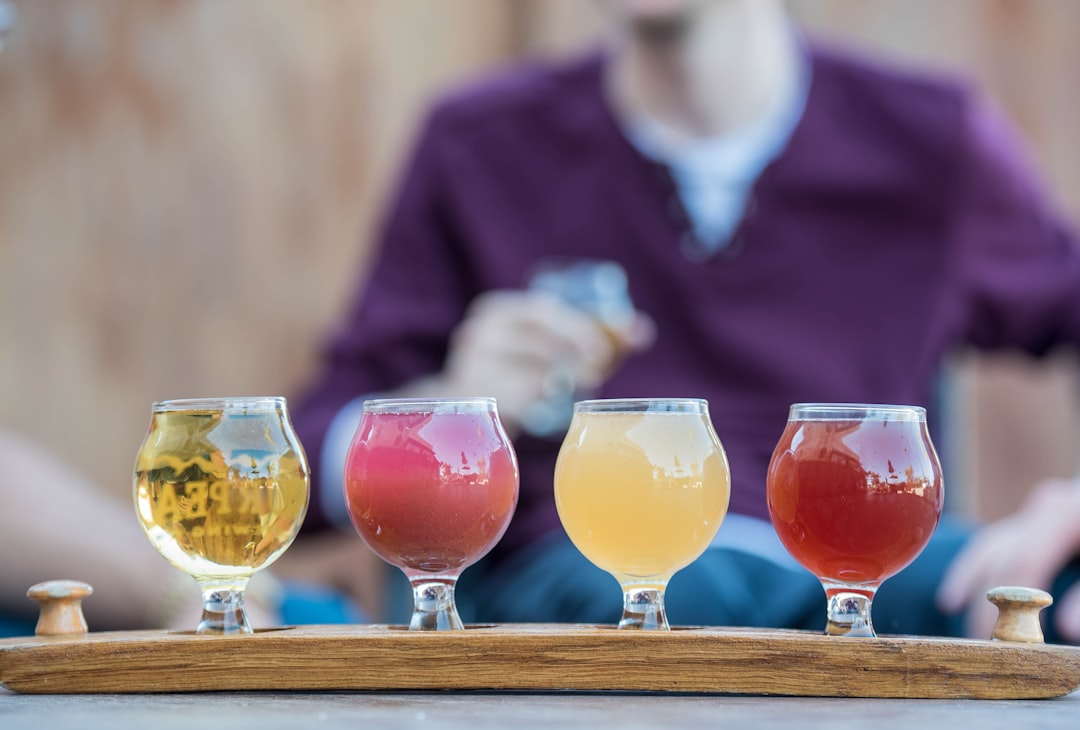
Hazy, pillowy New England IPAs pushed piney West Coast classics off many tap lists, while barrel-aged stouts and fruited sours climbed festival lineups—evidence that craft beer style trends change faster than hop varieties at a summer release. For beer lovers and retailers alike, understanding those shifts helps spot the next big thing, choose better beers, and appreciate why certain releases fly off shelves.
Why Craft Beer Style Trends Matter
Trends do more than decorate labels. They reflect changes in taste, advances in brewing technique, and cultural moments. When a style rises, it influences what brewers experiment with, what pubs promote, and what drinkers ask for. For retailers like Beer Republic, tracking these developments means curating collections that keep both devoted hop heads and curious newcomers satisfied. For drinkers, trends offer a roadmap to explore new flavors without getting overwhelmed.
How Trends Emerge and Evolve
Trends often start small—one brewery nails a variation, influencers amplify it, and a few festivals and bars adopt it. From there, distribution and packaging scale the idea for wider audiences. These shifts are driven by several forces:
- Brewer innovation: New yeast strains, hop varieties, barrel programs, and techniques (like dry hopping in the fermenter) unlock fresh profiles.
- Consumer curiosity: Enthusiasts chase novelty, while casual drinkers gravitate to accessible flavors.
- Market dynamics: Packaging trends (cans over bottles), direct-to-consumer shipping, and taproom culture accelerate adoption.
- Supply and sustainability: Ingredient availability and climate impacts push breweries toward local sourcing and alternative grains.
Major Craft Beer Style Trends Today
The modern landscape contains both renewed interest in classic, clean styles and an appetite for boundary-pushing creations. Below are the most influential craft beer style trends shaping shelves and taps.
1. The Ever-Evolving IPA
The IPA continues to lead the conversation, but it's no longer a single beast. The category has splintered into subtrends:
- New England / Hazy IPAs: Soft mouthfeel, low bitterness, and tropical, juicy hop character. These beers emphasize fruit-forward hop aromatics and a smooth, pillowy texture from high-protein malts and certain yeast strains.
- West Coast & Resinous IPAs: A resurgence of drier, piney, and bitter profiles appeals to fans of classic hop intensity; often leaner and more bitter than hazies.
- Juicy Double IPAs: High ABV but focused on hop aroma rather than harsh bitterness; they're dessert-like yet hoppy.
- Session and Low-ABV IPAs: Brewers are dialing back ABV while maintaining hop expression for more frequent, casual drinking.
IPAs are also influenced by technique—techniques like whirlpool hopping, hop-bursting, and dry hopping schedules fine-tune aromatic output. Consumers should watch for freshness dates; hop aromatics fade quickly, and many top-shelf IPAs are best within weeks of packaging.
2. Lager Renaissance
Lagers are experiencing a renaissance as craft brewers revisit classic brewing techniques. Clear, crisp, and often served cold, modern craft lagers are pushing beyond macro-style blandness:
- Craft Pilsners: Bright, floral, and sometimes with noble-hop spice.
- Helles and Vienna Lagers: Malt-forward beers with subtle caramel notes and clean fermentation profiles.
- Cold IPAs and India Pale Lagers: A hybrid trend marrying IPA hop profiles with lager fermentation for a crisp finish and pronounced hop character.
Because lagers require time and careful temperature control, their resurgence indicates investment in brewing infrastructure and a desire to diversify beyond ales.
3. Barrel-Aged and Pastry Stouts
Barrel programs remain a prestige area for craft brewers. Aging beer in bourbon, rum, wine, or brandy barrels introduces complex flavors—vanilla, oak, dark fruit, and boozy warmth. Within this category:
- Traditional Imperial Stouts: Rich, roasty, often aged in barrels for rounds of complexity.
- Pastry Stouts: Dessert-like variants loaded with lactose, cocoa, vanilla, coffee, or baked-goods adjuncts. They can be polarizing but often sell as limited releases.
- Barrel-Aged Sours: Tart beers that benefit from oxidative and microbial complexity introduced during long aging.
These beers are typically limited, collectible, and priced higher—appealing to collectors, cellaring enthusiasts, and those seeking intense flavor experiences.
4. Fruited Sours and Mixed Fermentation
Sours and mixed-fermentation beers have moved from niche to mainstream. They run a spectrum from lightly tart and refreshing to puckeringly sour:
- Fruited Sours: Lightly tart base beers with bright fruit additions—raspberry, blueberry, mango. They're approachable and great for summer.
- Wild Ales: Lambic-inspired beers fermented with Brettanomyces and other microbes; these emphasize funk, barnyard, and layered acidity.
- Gose and Berliner Weisse Revivals: Historically low-alcohol, tart styles renewed with modern fruit and spice additions.
As equipment and microbial control improve, more breweries experiment with controlled souring to produce consistent, drinkable results.
5. Low-ABV, No-ABV, and Sessionability
Health-conscious trends and social drinking habits are lifting demand for flavorful, low- and no-ABV beers. Brewers now craft lighter beers that don't taste thin:
- Low-ABV IPAs and Pale Ales: Aim to preserve hop character with reduced alcohol.
- Alcohol-Removed Beers: Modern dealcoholization preserves aroma better than older methods.
- Zero-ABV Craft Alternatives: Beers brewed to be flavorful and complex without alcohol—great for designated drivers or those cutting back.
This trend widens the market by welcoming drinkers who want flavor without the next-morning fog.
6. Botanical, Coffee, and Tea-Infused Beers
Brewers increasingly incorporate non-traditional ingredients—coffee, tea, spices, herbs, and botanicals—to create signature profiles. These additions can provide sophistication or novelty:
- Single-Origin Coffee Stouts: Coffee origins are treated like wine terroir, with brewers blending beans for complexity.
- Tea-Infused Ales: Earl Grey, matcha, and smoked teas add subtle aromatic layers.
- Herb and Spice Blends: Cardamom, lavender, and juniper lend unique twists—useful for seasonal releases.
Success depends on balance: the adjunct should complement, not overshadow, the base beer.
7. Hybrid Styles and Crossovers
Hybridization—blending styles or techniques—creates new categories. Examples include:
- Barrel-Fermented Saisons: Farmhouse beers aged in oak for acid and funk.
- IPA-Sour Hybrids: Hop-forward beers with a light, clean tartness.
- Fruit-Focused Stouts: Combining rich malt with bright fruit to create contrast.
These hybrids attract adventurous drinkers and allow brewers to repurpose ingredients across seasonal calendars.
8. Sustainability, Localism, and Traceability
Environmental concerns shape ingredient choices and operations. Trends include:
- Local Hops and Grain: Brewers highlight regional sourcing to reduce footprint and showcase terroir.
- Water Conservation and Energy Efficiency: Investments in filtration, heat recovery, and solar reduce costs and emissions.
- Packaging Choices: Refillable growlers, recyclable cans, and lighter materials are preferred.
- Traceability: Labels increasingly describe hop varieties, yeast strains, and origin stories.
For many drinkers, these practices increase brand loyalty—sustainability becomes part of the beer's story.
9. Design, Storytelling, and Direct-to-Consumer Sales
Label art and narrative matter. Eye-catching cans and transparent storytelling about process and provenance influence buying decisions. Additionally, direct-to-consumer shipping and curated online shops (like Beer Republic) make it easier for drinkers to sample across regions, fueling discovery-driven trends.
Regional Notes: USA and Canada
The craft scenes in the USA and Canada share influences yet highlight distinct flavors:
- Pacific Northwest (USA): Hop experimentation and resinous West Coast styles thrive. Cascade and Chinook still show up in modern hop blends.
- New England (USA): Hazy IPAs and milkshake-style brews drove national interest, focusing on yeast and malt texture.
- Midwest and East Coast (USA): Diverse small-batch saisons, barrel programs, and polish on lagers.
- Canada: A strong tradition of balanced ales and growing experiments with sours, barrel-aging, and local adjuncts like maple or regional fruits.
Beer Republic's catalog reflects this diversity, featuring American and Canadian brews that represent both classic styles and regional innovation—perfect for those who want to taste how geography influences flavor.
How the Craft Beer Drinker Can Explore Trends
For those who want to follow craft beer style trends without getting overwhelmed, a few practical approaches help narrow the field and enhance enjoyment.
1. Start With Curated Collections
Retailers and subscription services often assemble sampler packs based on themes—hazy IPAs, mixed-fermentation sours, or winter stouts. These make trend-spotting easy. Beer Republic, for example, curates themed collections and top-rated selections from the USA and Canada, helping drinkers try emerging styles without committing to full cases.
2. Pay Attention to Freshness and Packaging
Hops and hop-forward styles are best fresh. Look for packaging dates, choose cans when possible (they shield light), and plan to drink IPAs within a month or two of packaging for optimal hop character.
3. Use Tasting Notes as Guides, Not Rules
Labels with tasting descriptors can help selection, but palate preferences are personal. If a fruited sour sounds intimidating, try a low-ABV variant first. Conversely, if someone loves coffee, a single-origin coffee stout might become a go-to.
4. Visit Taprooms and Festivals
Taprooms allow sampling and conversation with brewers. Festivals showcase multiple breweries and styles in one place, both excellent for trend discovery. Small pours let drinkers sample widely without waste.
5. Keep a Tasting Log
Recording favorites—style, brewery, packaging date, tasting notes—helps identify recurring preferences. Over time, patterns will emerge: maybe they prefer hop-driven but low-bitter beers, or malt-forward lagers with clean finishes.
Tasting and Pairing Tips for Trendy Beers
Appreciating new styles requires a few simple serving habits that bring out flavors:
- Glassware: Use appropriate glass shapes: tulips for aromatic beers, pilsner glasses for lagers, and snifters for high-ABV barrel-aged beers.
- Temperature: Serve hazy IPAs slightly cooler than cellar temp (around 45–50°F) to preserve aroma; stouts and barrel-aged beers benefit from slightly warmer temps (52–58°F) to reveal complex notes.
- Food Pairing: Juicy IPAs pair well with spicy or fried foods; sour beers contrast with rich, fatty dishes; barrel-aged stouts complement chocolate and blue cheese.
- Palate Cleansers: Neutral crackers or water between samples keep the palate fresh when exploring many beers.
For Brewers: How to Ride the Trend Wave Without Losing Identity
Breweries should experiment, but authenticity keeps customers loyal. Practical advice:
- Start Small: Pilot a new style in the taproom before scaling. Use one-off kegs to gather feedback.
- Document Recipes: Track mash schedules, hop timing, yeast performance, and conditioning so successful pilots can be replicated.
- Source Thoughtfully: Use local ingredients where possible and be transparent about origins—customers appreciate provenance.
- Collaborate: Cross-brew with other breweries to blend audiences and learn new techniques.
- Mind the Economics: Barrel programs and fruit adjuncts cost more—price accordingly and plan limited releases wisely.
Forecast: Where Craft Beer Style Trends Might Head Next
Predictions are never certain, but several directions seem likely:
- Yeast Diversity: More breweries will lean into novel yeast strains to create unique esters and mouthfeel without relying solely on hops.
- Hazy/Lager Hybrids: Expect more soft IPAs fermented with lager yeast—combining haze and crispness.
- Localized Terroir Beers: Brewers will craft beers highlighting regional ingredients—local hops, grains, and botanicals—to stand out.
- Functional and Health-Oriented Brews: Beers with added probiotics, adaptogens, or clear health-conscious positioning may find niche audiences.
- Better Low/No-ABV Options: Flavorful, complex nonalcoholic beers will continue to improve and attract consumers seeking moderation.
Ultimately, the future will blend reverence for classic brewing with continued experimentation. Consumers can expect more nuanced and accessible interpretations of current favorites.
Practical Guide to Buying Trendy Craft Beer
When browsing shops or online stores, the following checklist helps pick worthwhile options:
- Check the Packaging Date: Especially important for hop-forward styles.
- Look for Brewhouse Notes: Ingredients, hop varieties, yeast, and aging details indicate quality and intent.
- Balance Novelty with Reputation: New experiments are fun, but breweries with consistent quality are safer bets for limited releases.
- Consider Serving Occasions: A fruited sour suits a summer picnic, while a barrel-aged stout is better for sipping in cool weather.
- Buy Small First: Test a single can or a mixed pack before committing to larger quantities.
Retailers geared toward craft enthusiasts—such as Beer Republic—categorize beers by style and trend, provide freshness info, and offer sampler packs, making trend-oriented buying simpler and more enjoyable.
Case Examples: Trend-Driven Releases Worth Noting
To make trends tangible, here are hypothetical examples reflecting current directions:
- “Northwest Resin” West Coast IPA: Dry, pine-forward, with classic American hops and a crisp finish—ideal for fans who miss classic bitterness.
- “Foggy Orchard” Hazy IPA with Citra & Mosaic: Soft, citrus, and tropical notes backed by a creamy body—captures the New England vibe.
- “Barrel Library” Bourbon-Aged Imperial Stout: Notes of dark chocolate, vanilla, and raisin—sold as a limited release for cellaring.
- “Summer Tart” Fruited Berliner Weisse: Light, effervescent, and tart with real raspberry—perfect for outdoor gatherings.
- “Cold Crush” India Pale Lager: Crisp lager backbone with modern hop aromatics—an example of hybrid innovation.
These archetypes show how brewers take core elements and emphasize different attributes—bitter, juicy, tart, or boozy—depending on audience and intent.
How Beer Republic Helps Enthusiasts Navigate Trends
Beer Republic positions itself as a go-to source for both trend-seeking enthusiasts and casual buyers. Its strengths include:
- Curated Selection: A wide range of top-rated American and Canadian craft beers across trending styles—IPAs, lagers, stouts, and sours.
- Easy Discovery: The website organizes beers into collections and themes, making it straightforward to explore current trends.
- Fast Shipping: Prompt delivery helps preserve freshness, which is crucial for hop-forward styles.
- Educational Support: Tasting notes, style descriptions, and staff picks guide buyers who want to try something new.
For anyone tracking craft beer style trends, a retailer that combines variety, curation, and reliable logistics makes trend exploration less of a scavenger hunt and more of a discovery journey.
Conclusion
Craft beer style trends are a dynamic mix of reverence and rebellion—honoring time-tested methods like lagering and barrel-aging while pushing boundaries with hazy IPAs, fruited sours, and botanical infusions. Trends shape what’s brewed, how it’s packaged, and how it’s sold. For drinkers, they open doors to new experiences; for brewers, they offer a playground for creativity and a market for specialization.
Whether the reader seeks the next juicy IPA, a crisp craft pilsner, or a complex barrel-aged stout, understanding these trends helps them make smarter choices. Retailers like Beer Republic simplify that exploration by curating high-quality American and Canadian beers, offering themed collections, and ensuring fresh, fast delivery—so enthusiasts can focus on tasting and enjoying rather than hunting down elusive releases.
Frequently Asked Questions
What are the biggest craft beer style trends right now?
The biggest trends include the continued evolution of IPAs (hazy, West Coast, and low-ABV variants), a lager renaissance, fruited sours and mixed fermentation beers, barrel-aged and pastry stouts, and growth in low- and no-ABV offerings. Sustainability and local sourcing are also rising priorities.
How long do hop-forward beers stay fresh?
Hop aromatics fade over time. Ideally, hop-forward beers—especially hazy IPAs—should be consumed within 4–8 weeks of packaging for peak flavor. Check packaging dates and choose cans when possible for better light protection.
Are low-ABV and no-ABV craft beers as flavorful as regular beers?
Modern low-ABV and no-ABV craft beers have improved significantly. Breweries use techniques like specialized yeast, concentrated aromas, and adjusted malt bills to preserve flavor. While some differences remain, many drinkers find them satisfying alternatives.
How should a beginner explore craft beer trends?
Beginners should start with curated sampler packs or taproom flights to try a range without overspending. Reading tasting notes, checking freshness, and asking staff for recommendations based on flavor preferences also helps. Small pours and tasting logs can refine tastes over time.
Why are barrel-aged beers often more expensive?
Barrel aging requires time, space, and costly barrels (often repurposed from bourbon or wine). The long aging process ties up inventory, and additional complexity often justifies higher pricing. Limited runs and collectible appeal also drive prices up.
