
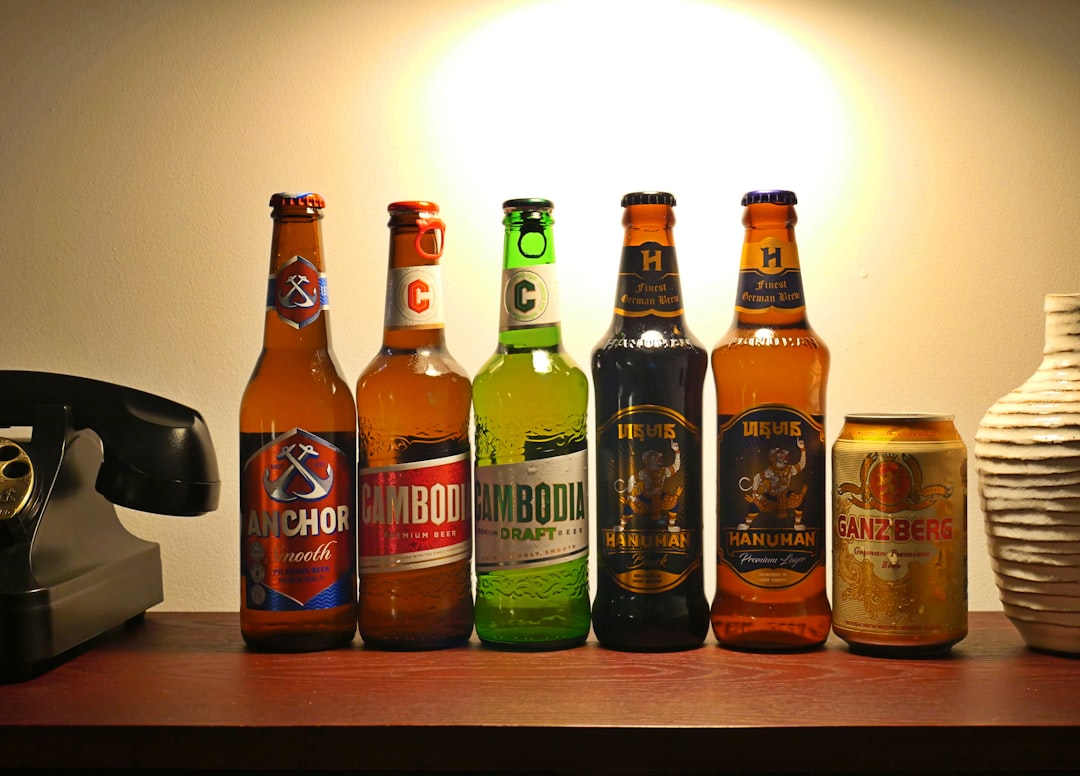
For craft beer fans compiling a tasting list, knowing the best beer styles is the quickest route to discovering favorites and expanding palates. This guide breaks down the most celebrated styles—from hop-forward IPAs to silky stouts—explaining what makes each one special, how to recognize quality examples, and how enthusiasts can explore them confidently. It’s focused on American and Canadian craft scenes but offers insights that apply everywhere.
Why Knowing Beer Styles Matters
Knowing the best beer styles helps drinkers pick brews that match moods, food, and company. It also makes tasting more focused: once someone understands basic style traits—bitterness, malt character, carbonation, body—they can spot nuances that turn a good pint into a memorable one. For craft shoppers, this knowledge reduces decision fatigue and makes it easier to navigate shops like Beer Republic, where deep selections make exploration both fun and efficient.
How Beer Styles Are Defined
Beer styles are a mix of history, ingredients, and brewing technique. Styles often reference:
- Fermentation type – ale (top-fermenting, warmer) vs. lager (bottom-fermenting, cooler)
- Main ingredients – malt types, hops, yeast, adjuncts like fruit or spices
- Regional heritage – e.g., Belgian saisons, German pilsners
- Flavor profile – hop bitterness, malt sweetness, roastiness, tartness
Style guidelines (from groups like the BJCP or Brewers Association) provide ranges for alcohol by volume (ABV), color, bitterness (IBU), and typical flavor descriptors, but craft brewers often experiment—so “best beer styles” are both traditional and evolving.
Core Styles Every Craft Beer Lover Should Know
This section covers the essential styles that frequently appear on tap lists and in cans. These are the best beer styles to start with for anyone building a well-rounded palate.
India Pale Ale (IPA)
IPAs dominate modern craft culture. Characterized by assertive hop aroma and bitterness, they range from bright and citrusy to resinous and piney. Substyles include:
- West Coast IPA – clear, bitter, with pine/citrus hops
- New England / Hazy IPA – soft mouthfeel, juicy tropical fruits, low perceived bitterness
- Double / Imperial IPA – higher ABV, intense hop and malt balance
- Session IPA – hoppy aroma with lower ABV for easy drinking
Why it’s a “best” pick: IPAs showcase hop varieties and brewing technique, making them a favorite for drinkers who enjoy bold flavors. They're also a great gauge of a brewery’s hopping skills.
Pale Ale
Pale ales sit between rotund malts and forward hops. They’re balanced, with more malt body than many IPAs and a cleaner finish.
- American Pale Ale (APA) – crisp, floral/citrus hops, moderate ABV
- English Pale Ale – maltier with earthy, floral English hops
Why it’s a “best” pick: Pale ales are versatile and often excellent introductory beers for drinkers moving into craft territory.
Pilsner
Pilsners are lagers prized for their crispness and drinkability. They can be pale and dry (Czech and German styles) or brighter and hoppier.
- Czech Pilsner (Bohemian) – slightly malty, rounded bitterness
- German Pilsner – dry, herbal hop character, snappy finish
Why it’s a “best” pick: Pilsners are ideal for drinkers who prefer clean, refreshing beers that still show brewer skill—especially in yeast and lagering.
Stout
Stouts are known for their roasted barley flavors—coffee, chocolate, and caramel notes are common. Substyles include:
- Dry / Irish Stout – light-bodied, roasty, often lower ABV
- Imperial / Russian Stout – big, rich, high ABV, often aged in barrels
- Milk Stout – uses lactose for sweetness and fuller body
Why it’s a “best” pick: Stouts demonstrate how roast and malt shape flavor; barrel-aged variants deliver complexity prized by collectors.
Porter
Porters are close cousins of stouts but often lighter and malt-forward, with toasty, caramel, or chocolate notes. Robust porter and brown porter show how malt can carry a beer without heavy roastiness.
Wheat Beer (Hefeweizen and Witbier)
Wheat beers are often cloudy and refreshing, with soft bready malt and fruit-clove esters (especially in German hefeweizen) or citrus and spice (Belgian witbier).
- Hefeweizen – banana and clove notes, silky mouthfeel
- Witbier – brewed with oats and spices like coriander and orange peel
Why it’s a “best” pick: These styles are summer staples and show how yeast character can drive flavor.
Sour Beer
Sour beers span kettle-soured to mixed-fermentation beasts. They offer tartness ranging from light and refreshing to puckeringly complex, often with fruit additions.
- Gose – salty, slightly sour, often with coriander
- Lambic / Gueuze – spontaneously fermented, complex funk
- Fruited Sour – tart base with bright fruit flavors
Why it’s a “best” pick: Sours expand what people expect from beer—acidity can be as thrilling as hop bitterness when balanced well.
Belgian Styles (Dubbel, Tripel, Saison)
Belgian ales are prized for complex yeast-driven aromas and layered flavors:
- Dubbel – dark fruit, caramel, moderate strength
- Tripel – golden, spicy, deceptively strong
- Saison – farmhouse funk, peppery spice, dry finish
Why it’s a “best” pick: Belgian styles highlight yeast as an ingredient and deliver surprising complexity in approachable formats.
Amber / Red Ale
Amber ales emphasize caramel and toffee malts balanced with moderate hop bitterness. They’re drinkable and flavorful without extremes.
Brown Ale
Brown ales are malt-forward, with nutty, caramel, and toasty notes. US versions may be hoppier; English examples are softer and malt-driven.
Barleywine
Barleywines are intense, high-ABV ales with rich malt sweetness, dried fruit, and oxidative aging potential—great for cellaring.
Choosing the Right Style for the Occasion
Different styles fit different situations. Craft drinkers often pick by context:
- Casual hangouts – Pilsners, Pale Ales, Session IPAs
- Food pairing – Amber ales with burgers, Saisons with salads, Stouts with desserts
- Tastings and discovery – Sample flights that move from light to bold (pilsner → pale ale → IPA → stout)
- Celebrations – Barrel-aged stouts, Belgian Tripels, or robust barleywines
Good buyers balance familiarity with adventure: combining crowd-pleasers and a few wildcards keeps a round interesting.
Practical Tips for Tasting and Evaluating Beer
Tasting with purpose sharpens preferences. Drinkers who follow these steps will build a reliable sense of what they like:
- Look – Note color, clarity, and head retention.
- Smell – Swirl gently and inhale—hop, malt, yeast, and adjuncts show here.
- Taste – Take a small sip, let it move over the tongue, and notice sweetness, bitterness, acidity, and finish.
- Compare – Side-by-side tastings of similar styles (e.g., West Coast IPA vs. Hazy IPA) clarify distinctions.
- Record – Jot notes. Over time, patterns emerge that guide future picks.
Using standardized glasses (tulip for Belgian ales, pint for IPAs, snifter for big beers) can improve aroma concentration and overall experience.
Food Pairing Guide for Top Styles
Beer pairs with food beautifully. Here are practical match-ups for the best beer styles:
- IPAs – Spicy dishes, rich cheeses, grilled meats. Hop bitterness cuts fat.
- Pilsners – Seafood, light salads, sushi. Clean finish refreshes the palate.
- Stouts – Chocolate desserts, oysters, smoked meats. Roasted notes complement caramel and char.
- Saisons – Farmhouse cheeses, mustard-glazed dishes, light curries. Spicy yeast lifts flavor.
- Wheat beers – Brunch foods, citrus desserts, fried foods. Softness and fruit esters soothe richness.
- Sours – Rich seafood, fatty pork, or dessert (think lemon tart). Acidity balances richness.
Glassware and Serving Temperatures
Serving beer properly matters. Here are simple guidelines to present beers at their best:
- Pilsner / Lagers – 38–45°F (3–7°C); tall, narrow glass to show clarity and bubbles
- Pale Ale / IPA – 45–50°F (7–10°C); pint or tulip to deliver hop aroma
- Stout / Porter – 50–55°F (10–13°C); snifter or tumbler to reveal aromatics
- Belgian Ales / Barleywine – 50–55°F (10–13°C); goblet or tulip for aroma concentration
- Sours / Wheat – 45–50°F (7–10°C); flute or weizen glass for carbonation and head
Allowing stronger beers to warm slightly helps release complex aromas—serving them too cold masks nuanced flavors.
How Craft Drinkers Can Explore the Best Beer Styles
Exploration is the joy of craft beer. Here are realistic ways enthusiasts expand their horizons while enjoying quality selections:
- Build rotating tastings – Pick a style focus each month (e.g., “March: Porters”), buy diverse examples, and compare.
- Use themed flights – Many breweries and bars create flights (four to six small pours) that spotlight variations within a style.
- Follow breweries and beer shops – Retailers and craft breweries announce limited releases; local beer shops often curate interesting collections.
- Join clubs or subscriptions – Beer clubs and subscription services send curated boxes that introduce new styles and breweries.
- Attend tastings and festivals – Festivals are a compressed way to sample lots of styles and meet brewers.
For shoppers who prefer ordering online, retailers like Beer Republic make exploration easier by grouping beers into collections (IPAs, stouts, seasonal packs) and offering filters for style, ABV, and origin. Their fast shipping and curated selections help drinkers discover standout bottles without hunting in multiple places.
Buying Tips: How to Pick High-Quality Examples
Quality in craft beer is about freshness, balance, and proper storage. Here are practical buying tips:
- Check can/bottle date – Particularly important for hop-forward beers (IPAs, pale ales). Fresher = brighter hops.
- Avoid sun-damaged beer – Light hurts hop oils; avoid clear bottles left in sunlight.
- Consider ABV for cellaring – Low-ABV beers are best fresh; high-ABV beers (barleywines, imperial stouts) can age well.
- Read tasting notes – Retailer notes and reviews reveal the brewery’s intention and expected flavors.
- Buy from reputable retailers – Stores that rotate stock and ship cold (like Beer Republic) reduce the risk of stale beer.
Trends and Innovations in Modern Craft Beer
Craft beer constantly reinvents itself. Some trends shaping the scene include:
- Hazy and juicy IPAs – Emphasis on mouthfeel and fruit-forward hop character
- Low- and no-alcohol options – Better-tasting low-ABV brews for moderation
- Mixed fermentation and wild ales – Greater interest in funk, acidity, and complexity
- Barrel aging and collaborative projects – Cross-continental aging and brewer collaborations expand flavor boundaries
- Locally inspired adjuncts – Use of regional fruits, grains, and botanicals for terroir-driven beers
These innovations mean the “best beer styles” list broadens over time: new hybrids and reinterpretations surface regularly.
Homebrewing: A Quick Way to Appreciate Styles
Homebrewing helps drinkers understand the craft. Even a simple pale ale batch teaches about yeast handling, hop additions, and fermentation control. For hobbyists, starting with extract kits or all-grain beginners' recipes in popular styles (e.g., APA, stout, saison) provides hands-on lessons about what defines each style.
Local homebrew shops and online communities provide recipes and troubleshooting—small investments that deepen appreciation of commercial beers and build tasting acumen.
Style-Specific Examples and What to Look For
Here are concrete cues drinkers should expect from top styles—useful when scanning a beer list or tasting flight.
- Hazy IPA – Soft, creamy mouthfeel; aromas of citrus, mango, and stone fruit; low to moderate bitterness.
- West Coast IPA – Clear pour, pronounced resinous pine and grapefruit hops, firm dry finish.
- Czech Pilsner – Golden with a rounded malt sweetness and noble hop bitterness.
- Irish Stout – Deep brown to black color, roasted coffee and dark chocolate notes, dry finish.
- Belgian Tripel – Pale gold, complex spicy-phenolic esters, warming alcohol, effervescent mouthfeel.
- Saison – Dry, peppery, citrusy with farmhouse funk and variable carbonation.
- Fruited Sour – Tart backbone with vibrant fruit aroma; balance of acidity and sweetness is key.
How Beer Republic Helps Craft Fans Discover the Best Beer Styles
Retailers play a major role in discovery. Beer Republic focuses on American and Canadian craft selections, curating beers across top styles—IPAs, lagers, stouts, sours, and seasonal packs. Their site simplifies finding the best beer styles by:
- Categorized Collections – Grouped by style and theme, ideal for building tasting flights at home.
- Fast Shipping – Swift delivery keeps hop-forward beers fresh upon arrival.
- Expert Picks and Reviews – Staff recommendations and tasting notes help spot high-quality examples.
- Promotions and Variety Packs – Curated mixed packs reduce risk when trying new styles and make great gifts.
For craft drinkers who prefer browsing on their own, Beer Republic’s filters for style, ABV, and region help narrow choices—letting them combine staples and experiments in a single order.
Common Mistakes and How to Avoid Them
Even seasoned drinkers stumble. Here are common mistakes and quick remedies:
- Overlooking freshness – Buy recent-packaged IPAs and drink them early.
- Skipping glassware – A tulip or snifter often reveals aroma that a pint glass suppresses.
- Expecting all beers to be hoppy – Malt, yeast, and acidity are equally important in many styles.
- Buying rare beers for price rather than taste – Pricey doesn't always equal enjoyable; read reviews first.
Collecting and Cellaring: What Styles Age Well?
Not every beer benefits from aging. Styles that often improve with time include:
- Barrel-aged stouts – Complex oxidation and barrel notes develop over years.
- Barleywines – Sweetness integrates and dark fruit notes become more pronounced.
- Strong Belgian ales – Oxidation and yeast-driven complexity can add nuance.
Freshness matters for hop-forward beers; IPAs are usually best within a few weeks of packaging. Retailers that date-package and rotate stock make collecting safer and more rewarding.
Final Thoughts: Choosing the Best Beer Styles Is Personal
“Best” is subjective—drinkers will always have personal favorites. What defines the best beer styles is how well those beers match someone’s palate, occasion, and curiosity. For craft fans and casual drinkers alike, the ideal approach is a mix of staples and exploration: buy the reliable pale ale and the wild sour, keep a crisp pilsner for hot days, and save a barrel-aged stout for celebrations.
Retailers like Beer Republic make exploration easier by offering curated selections, fast shipping, and helpful notes—so drinkers can spend less time hunting and more time tasting. Over time, a drinker’s list of “best beer styles” becomes a personalized map of beers that hit the right notes for them.
Frequently Asked Questions
What are the top 5 best beer styles for beginners?
Beginners often start with: (1) Pilsner (clean and refreshing), (2) American Pale Ale (balanced hops and malt), (3) Amber/Red Ale (malt-forward and approachable), (4) Hefeweizen (soft, fruity esters), and (5) Stout (roasty but often moderate in alcohol). These styles offer variety without extreme bitterness or acidity.
How should hops-forward beers be stored and consumed?
Hoppy beers (IPAs, pale ales) should be kept cold and consumed fresh. Ideally, drink them within weeks of packaging. Avoid sunlight and temperature swings—many online retailers provide packaging and shipping that preserve freshness.
Are sour beers an acquired taste?
Sours can be an acquired taste, but not always. Fruited sours that balance tartness with sweetness can be very approachable. Starting with gently tart styles (like gose) or fruity kettle-sours helps most drinkers warm up to acidity.
Which styles are best for pairing with food?
Many styles pair well with food: Pilsners and wheat beers with lighter fare; IPAs with spicy or fatty foods; stouts and porters with grilled meats and desserts; saisons with fresh salads and spicy cuisine. The key is balancing intensity—matching the beer’s flavor weight to the dish.
How can Beer Republic help someone explore the best beer styles?
Beer Republic curates selections across classic and modern styles, offers themed collections and variety packs, and ships quickly to preserve freshness. Their filters and staff picks guide shoppers toward quality examples, making it easier to discover new favorites without visiting multiple shops.
