
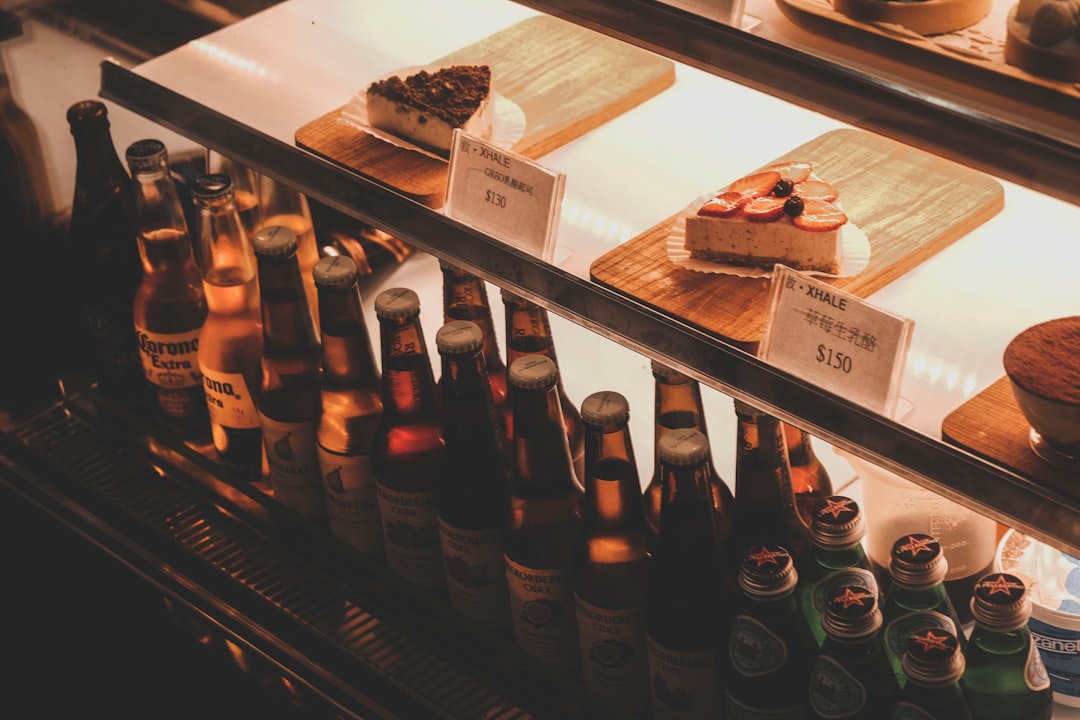
A citrusy IPA cutting through a juicy burger, a roasty stout accentuating dark chocolate, or a crisp pilsner refreshing a spicy taco—these are the moments that make beer and food combinations so rewarding. This guide explores how to match craft beers with dishes across the menu, giving craft beer lovers and casual drinkers alike the tools to create memorable meals and tasting events.
Why Beer and Food Combinations Matter
Pairing beer with food isn't just about finding a drink to wash something down. Thoughtful beer and food combinations enhance flavors, balance textures, and elevate both the beer and the dish. Beer offers a broad range of aromas, bitterness levels, carbonation, sweetness, and body—sometimes even more variety than wine. That makes beer an exciting partner at the table.
For craft beer enthusiasts, pairing is also a way to explore new styles and regional brews. Trying a Black IPA with smoked short ribs or a Saison with goat cheese can turn an ordinary meal into a tasting adventure. Retailers like Beer Republic make that exploration convenient by offering curated collections and fast shipping of top-rated American and Canadian craft beers—perfect for building a pairing-focused fridge.
Core Principles of Successful Beer and Food Combinations
Good pairings follow a few basic rules. These aren't rigid laws but guiding principles that help the flavors play well together.
Match Intensity
One overarching rule is to match the intensity of the beer with the intensity of the dish. A delicate salad will be overwhelmed by an imperial stout, while a heavy, smoky brisket will disappear next to a light pilsner.
Complement or Contrast
Pairings can either complement (reinforce similar flavors) or contrast (create a balancing tension). Complement examples: malty amber ales with caramelized onion tart; chocolate stout with chocolate cake. Contrast examples: sour Berliner Weisse with creamy cheesecake; bright IPA with fatty fried chicken.
Use Carbonation as a Tool
Carbonation cleanses the palate between bites. Sparkling beers like pilsners, Belgian witbiers, and many wheat beers work well with fried or fatty foods because the bubbles cut through oil and refresh the mouth.
Consider Bitterness and Spiciness
Bitterness from hops interacts with hot spices. High bitterness can amplify the perception of heat, so extremely hoppy beers may intensify spiciness. However, they can also offer a pleasant counterpoint when balanced by citrusy hop aromas.
Mind Sweetness and Acidity
Sweetness in food pairs nicely with beers that contain residual sugars or caramelized malts. Conversely, acidic beers—those with bright lactic or citrus notes—pair excellently with fatty or rich dishes by cutting through richness.
Think Regionally
Traditional regional pairings often work because local ingredients and brewing traditions evolved together. Think German lagers with sausages, Belgian ales with stews, or Mexican-style lagers with tacos.
How to Approach a Pairing: Practical Steps
- Identify the dominant element of the dish—fat, spice, salt, sweetness, or acidity.
- Choose a matching strategy: complement, contrast, or cut/cleanse.
- Select beer styles with appropriate intensity, carbonation, and aromatic profile.
- Taste iteratively—take sips between bites and note how flavors shift.
- Refine and experiment. Keep a short tasting log to remember hits and misses.
Beer Styles and Suggested Food Matches
The following sections break down common beer styles and provide real-world pairing examples. These suggestions are shaped by flavor profiles—malt sweetness, hop bitterness, roast, acidity, and body.
Ales
Pale Ale (American Pale Ale)
Profile: Moderate bitterness, citrus/pine or floral hops, medium body.
- Pairs with: grilled burgers, wood-fired pizzas, sharp Cheddar, spicy wings.
- Why: Hop brightness lifts fatty, umami-rich foods; moderate bitterness balances cheese and charred meat.
India Pale Ale (IPA)
Profile: Pronounced hop bitterness and aromatics (citrus, resin, tropical fruit). Intensity varies (session IPAs to double/imperial IPAs).
- Pairs with: bold curries, buffalo wings, Thai food, blue cheese, rich fish tacos.
- Tip: For very spicy foods, choose a lower-ABV or less aggressive IPA to avoid amplifying the heat.
Amber/Red Ale
Profile: Toasty malt, caramel notes, moderate hops, medium body.
- Pairs with: roasted chicken, pork chops, root-vegetable gratins, caramelized onion dishes.
- Why: Malt sweetness complements roasted flavors and balances char.
Brown Ale
Profile: Nutty, toffee, chocolate hints; lower bitterness; smooth mouthfeel.
- Pairs with: grilled sausages, mushroom risotto, baked ham, mature cheeses.
Porters and Stouts
Porter
Profile: Roasted malt flavors, coffee and chocolate notes, medium to full body.
- Pairs with: barbecue ribs, smoked brisket, dark chocolate desserts, oysters (porter & oysters is a classic).
Stout (including Oatmeal, Dry, Imperial)
Profile: Intense roast, coffee, cocoa; heavier bodies in imperial versions; sweetness varies.
- Pairs with: beef stew, sharp aged cheeses, chocolate torte, caramel desserts, blue cheese on a cracker.
- For dessert: try an imperial stout with a flourless chocolate cake—roastiness echoes chocolate while high ABV stands up to richness.
Lagers
Pilsner
Profile: Crisp, crisp, and aromatic hops in many styles; light-to-medium body; great carbonation.
- Pairs with: sushi, fish and chips, light salads, chicken piccata, spicy tacos.
- Why: The clean finish and bubbles refresh the palate and accentuate delicate flavors.
Munich Helles and Märzen/Oktoberfest
Profile: Bready, malty, low bitterness; full-bodied for Helles to Märzen's richer malt character.
- Pairs with: bratwurst, roasted pork, pretzels, sauerkraut, roasted root vegetables.
Wheat Beers
Belgian Witbier
Profile: Light, zesty, coriander and orange peel notes, cloudy appearance.
- Pairs with: seafood, goat cheese, light salads, summer fruits, shrimp ceviche.
- Why: Citrus and spice in the beer accentuate bright, fresh flavors.
Hefeweizen
Profile: Banana and clove esters, creamy mouthfeel, soft carbonation.
- Pairs with: German sausages, soft cheeses, oven-baked fish, lemony desserts.
Belgian Ales and Saisons
Belgian Dubbel/Tripel
Profile: Fruity esters, spicy phenolics, rich malt; tripels are stronger and dryer.
- Pairs with: roasted root veg, stews, glazed ham, creamy cheeses, warm fruit pies.
Saison
Profile: Peppery yeast character, pepper, citrus, farmhouse funk, and high carbonation.
- Pairs with: herb-roasted chicken, goat cheese, charred vegetables, mussels in broth.
- Why: Effervescence and saison funk cut through richness and highlight herbs.
Sour and Wild Ales
Profile: Tart, funky, often fruity; can range from light to complex.
- Pairs with: rich foie gras, citrus desserts, aged cheeses, spicy Asian dishes.
- Tip: Sours are excellent with fatty or sweet foods because acidity provides balance.
Barleywine and Strong Ales
Profile: Powerful malt sweetness, high alcohol, dense body, sometimes fruity esters.
- Pairs with: blue cheese, strong aged cheeses, fruitcake, caramel desserts, cigar-friendly dishes for after-dinner.
Specific Pairing Examples to Try Tonight
Practical examples help turn theory into delicious reality. Here are curated pairings that work well for dinner, parties, and weeknight experiments.
- Fish Tacos + Mexican-Style Lager: Light malt backbone, gentle hops, and crisp carbonation refresh the palate between spicy, citrusy bites.
- Charcoal-Grilled Burger + American IPA or Pale Ale: Hop aromas cut through fat while malt supports caramelization on the bun.
- Smoked Brisket + Robust Porter: Roasted malt and coffee notes echo smoke; moderate carbonation cleanses.
- Buffalo Wings + Hazy IPA (Lower ABV): Fruity hop aromas complement hot sauce; choose moderate bitterness to avoid overwhelming heat.
- Oysters + Dry Stout or Crisp Pilsner: A dry stout's minerality and roasted notes play against briny shellfish; pilsner highlights freshness.
- Dark Chocolate Brownie + Imperial Stout: Richness matches richness; roasted malt emphasizes cocoa flavors.
- Pizza Margherita + Session Pale Ale or Saison: Yeast character and moderate hops enhance tomato acidity and basil aroma.
Cheese and Beer Pairing Cheat Sheet
Cheese and beer pairings are approachable and fun. A few classic combos:
- Cheddar: Amber ale, English Bitter, or IPA
- Goat Cheese: Saison, sour ale, or Belgian witbier
- Brie/Camembert: Hefeweizen, pilsner, or Belgian Tripel
- Blue Cheese: Barleywine, imperial stout, or robust porter
- Manchego: Brown ale or Vienna lager
Pairing for Specific Situations
Spicy Foods
With spicy cuisine, acidity, residual sweetness, and carbonation help. Choose beers with fruity esters and moderate bitterness—Belgian styles, witbiers, or slightly sweet lagers. Avoid highly bitter or boozy beers if heat is high; they can amplify the burn.
Barbecue and Smoked Meats
Smoked and barbecued meats fare well with malty beers that reflect smoke or caramel—brown ales, porters, and smoked beers. But a hoppy IPA or crisp pilsner can also cut through fat and provide contrast.
Seafood and Shellfish
Clean, mineral-driven beers work best: pilsners, blonde ales, light lagers, and wheat beers. For richer seafood like lobster or scallops, a Saison or a light Belgian ale offers complexity without overpowering the dish.
Vegetarian and Vegan Dishes
Vegetable-forward plates often emphasize freshness, herbs, and umami. Saison, pale ales, and sahti-style beers with herbal notes match roasted vegetables, grain bowls, and marinated tofu. For creamy plant-based dishes, consider a malty amber or brown ale.
Brunch and Breakfast
Hefeweizen, light ales, and fruit-forward sours complement breakfast foods. A Belgian Tripel or a Saison pairs nicely with eggs benedict; a crisp pilsner goes well with smoked salmon bagels.
Cooking With Beer
Beer is a versatile cooking ingredient that can add depth, acidity, and sweetness. Here are common culinary uses:
- Marinades: Beer's enzymes slightly tenderize meat; malty beers add caramel notes to pork and chicken.
- Braising: Brown ale or porter creates rich, savory braising liquids for beef and game.
- Baking: Stouts work well in chocolate cakes and brownies; they add roast complexity without overt beeriness.
- Batter for Frying: Use a light lager or pilsner for tempura or fish batter—the carbonation yields a lighter, crisp crust.
Hosting a Beer and Food Pairing Night
Organizing a tasting or pairing event is fun and approachable. Here’s a simple blueprint:
- Pick a Theme: IPA showcase, regional American craft beers, stouts and desserts, etc.
- Keep Portions Small: 4–6 oz pours with small food bites work best to sample multiple combinations.
- Order a Variety: Include a light lager, a hoppy ale, a roasty stout, a sour, and a Belgian-style ale to cover broad flavor bases.
- Sequence Intelligently: Taste from lightest to heaviest or from least to most hoppy/roasty to avoid palate fatigue.
- Provide Water and Neutral Snacks: Plain bread, water, and simple crackers reset the palate.
Beer Republic’s curated packs and fast shipping make assembling diverse flight options easy—especially for last-minute get-togethers or themed nights.
Common Pairing Mistakes and How to Avoid Them
- Picking an Overpowering Beer: Serving an imperial stout with delicate sashimi will mute the fish. Choose lighter beers for subtle dishes.
- Ignoring Carbonation: Still beers or too much sweetness can make fried or fatty foods feel heavy. Opt for bubbly styles to balance fat.
- Assuming Hops Always Clash With Spice: Hops can complement spicy and citrusy notes—just watch bitterness level and alcohol content.
- Serving Too Cold or Too Warm: Temperature affects aroma. Serve lagers colder (38–45°F) and ales warmer (45–55°F) to reveal aromas and flavors.
Practical Tips for Buying and Storing Beers for Pairing
- Buy Fresh for Hoppy Styles: IPAs and hop-forward beers are best within a few weeks to a couple months, depending on packaging.
- Age Dark and Strong Beers: Some stouts, barleywines, and sour beers develop complexity with age; check bottle dates and producer guidance.
- Store Properly: Keep beer in a cool, dark place to preserve hop character and prevent lightstrike.
- Curated Packs Help: For those building pairing collections, curated sets—like those offered by Beer Republic—save time and introduce balanced variety from top U.S. and Canadian breweries.
Pairing Cheatsheet: Quick Matches
- Pizza (pepperoni) — American Pale Ale or IPA
- Fried Chicken — Pilsner or Hazy IPA
- Spicy Thai Curry — Belgian Witbier or Saison
- Cheeseboard — Match intensity: lighter cheeses with pilsner/witbier, strong cheeses with barleywine/imperial stout
- Chocolate Dessert — Robust porter or imperial stout
- Grilled Salmon — Helles lager or amber ale
How Beer Republic Can Help
For the craft beer enthusiast building a pairing program at home, Beer Republic offers a vast selection of American and Canadian craft beers—including pale ales, IPAs, lagers, stouts, and sours—making it easy to assemble flights for pairing nights. Their curated collections and fast shipping simplify the search for complementary styles, while detailed product descriptions help choose beers by flavor profile and intensity. Whether one is planning a casual backyard barbecue or an intimate tasting, Beer Republic’s selection helps match beer to the menu.
Tip: When planning a pairing menu, start with a small shopping list of 4–6 contrasting beers and build the food around them. It’s simpler and more fun than trying to pair every dish to a single beer.
Advanced Pairing Ideas and Experiments
For those who want to push boundaries, here are a few creative experiments:
- Hop Terroir and Regional Cuisine: Match beers brewed with regional hop varieties to local dishes—Citra-forward beers with Pacific Northwest salmon, for example.
- Pair on Texture, Not Just Flavor: Match creamy foods with fizzy beers for contrast, or pair chewy textures with malt-forward beers for synergy.
- Use Beer as a Palate Reset Between Courses: A bright sour or citrusy pale ale can act like a sorbet, refreshing the palate.
- Experiment with Non-Obvious Matches: Try a Saison with sushi, or a smoked porter with dark chocolate and sea salt for unexpected harmonies.
Frequently Asked Questions
What beer pairs best with spicy food?
Beers with moderate alcohol, fruity esters, and moderate bitterness—like Belgian witbiers, saisons, or light lagers—work well. They provide cooling acidity, fruity notes, and carbonation that balance heat. Very hoppy or high-ABV beers can intensify spiciness, so choose carefully.
Can beer replace wine for all food pairings?
Yes, beer can pair with virtually any food. Its broad flavor range—hops, malts, yeast-driven notes, and carbonation—offers flexibility. While wine has its strengths, beer often provides more textural contrast (through carbonation) and a wider range of bitter and roasty flavors that can complement certain foods better than wine.
How should beer be served for the best pairing experience?
Serve lagers colder (around 38–45°F) and ales slightly warmer (45–55°F) to let aromas emerge. Use clean glassware to concentrate aromas—tulip or tulip-like glasses for aromatic ales, pint glasses for session beers, and flutes or goblets for strong, fruity beers.
Are there universal beer and food combinations that rarely fail?
Some dependable pairs include pilsner with fried food or seafood, IPA/pale ale with grilled meats and burgers, porter/stout with smoked meats and chocolate desserts, and saison with herb-forward dishes. These pairings hit common balancing points like carbonation, malt, and hops.
How can someone build a pairing flight at home?
Start with 4–6 beers covering light to heavy and bitter to sweet. Plan small bites—cheese, a small protein, a fried item, and a sweet—then taste beers in order from lightest to heaviest. Note combinations that stand out and adjust future flights accordingly.
Conclusion
Beer and food combinations turn mealtime into a tasting experience. With a handful of principles—match intensity, choose complement or contrast, use carbonation to cleanse, and consider bitterness and sweetness—anyone can create satisfying pairings. Craft beer’s diversity means there’s almost always an excellent match for whatever one cooks or orders. For those looking to experiment, curated selections and fast shipping from retailers like Beer Republic make building a pairing-ready fridge simple and fun. Whether hosting a tasting night, cooking with beer, or simply enjoying a burger and brew, thoughtful pairings make flavors brighter and meals more memorable.
