
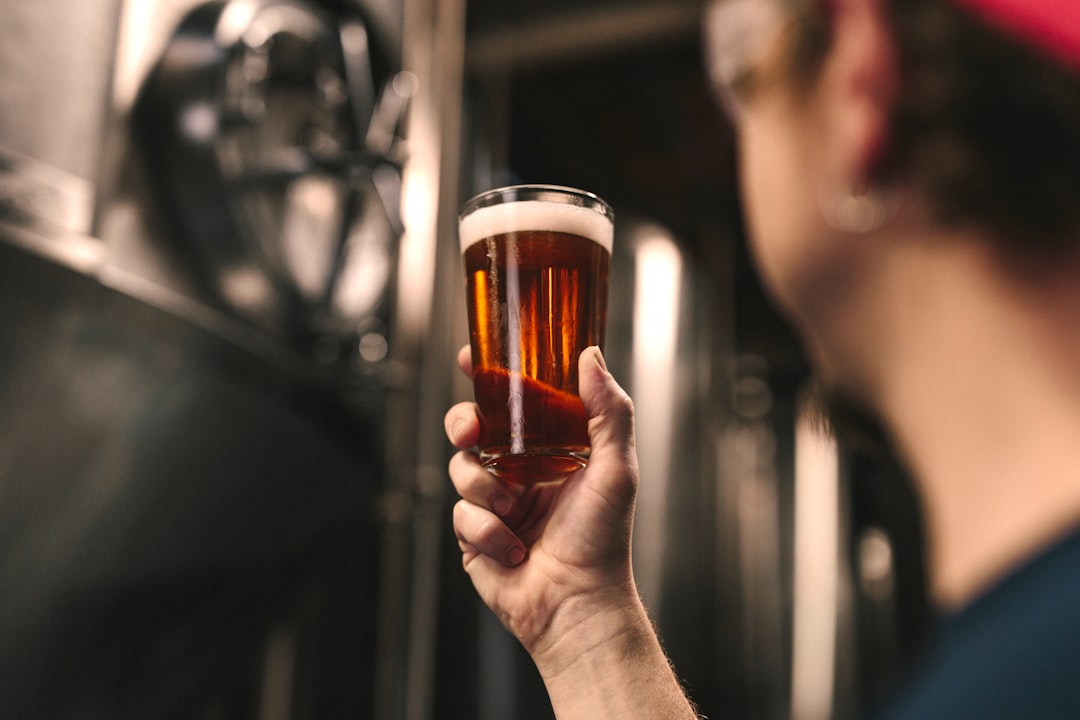
Recent beer industry insights show that craft beer remains a powerful force reshaping how people drink, buy, and talk about beer. While growth rates have moderated since the boom years, innovation, premiumization, and shifting consumer preferences continue to create opportunities for brewers, retailers, and curious drinkers. This article unpacks those trends—covering market dynamics, consumer behavior, production and distribution challenges, technology and sustainability, and practical tips for discovering great beers—so craft beer enthusiasts and casual drinkers alike can stay informed and inspired.
Market Snapshot: Where the Beer Industry Stands
The beer landscape today balances legacy giants, regional players, and thousands of smaller craft breweries. After a period of rapid expansion, the craft segment moved into a phase of maturation: volume growth slowed in many markets, but dollar sales and consumer interest have shifted toward higher-priced, higher-quality, and more experimental beers. Two facts matter most:
- Consumers are trading up—willing to pay more for distinctive flavors, authenticity, and limited releases.
- Distribution and retailing are more complex—omnichannel strategies, DTC sales, and collaborations are increasingly important.
Geographically, the U.S. and Canada continue to be innovation hubs. Regional preferences shape styles—West Coast users lean heavily into hop-forward IPAs, while East Coast producers pushed hazy and New England–style IPAs into the mainstream. Canadian craft has its own identity, with strong provincial scenes, barrel-aging traditions, and a growing sour and mixed-fermentation culture.
Segmentation and Premiumization
Market segmentation now includes:
- Everyday Session Beers: Low-ABV lagers and crushable ales for frequent consumption.
- Flavor-Forward Craft: IPAs, fruited sours, pastry stouts, and barrel-aged beers that command higher prices.
- Functional and Low/No Alcohol: Driven by wellness trends and expanding options for abstainers.
- Limited and Specialty Releases: Single-batch, collaborative, or barrel-aged beers that create scarcity and buzz.
These segments guide product development, pricing, and marketing strategies for breweries and retailers.
Consumer Trends Driving the Industry
Understanding how drinkers behave gives a clearer picture of where the beer industry is headed. Several consumer trends are particularly influential.
1. Flavor Exploration and the Reign of the IPA
IPAs remain central to craft culture. Their variations—West Coast, New England/hazy, Double/Imperial, DDH (Double Dry Hop)—continue to attract consumer attention. But alongside IPAs, other styles that encourage experimentation have grown:
- Sours and Fruited Ales: Attractive for their bright flavors and cross-over appeal with cider and mixed drinks.
- Pastry and Imperial Stouts: Dessert-like brews that pair with food and seasonal experiences.
- Gose and Berliner Weisse: Sessionable sour styles favored for summer releases and creative fruit additions.
For many enthusiasts, variety beats familiarity: sampling new styles is part of the craft beer experience.
2. Convenience and Digital Discovery
Online discovery and purchase pathways are enormous influencers. Consumers use apps, online stores, and social media to learn about releases, read tasting notes, and buy beer. This trend has accelerated the rise of specialty online retailers and marketplaces that curate selections and ship quickly.
Retailers with strong e-commerce experiences—clear filtering by style, convenient shipping, and curated collections—win repeat customers. For example, Beer Republic positions itself as a go-to online hub for American and Canadian craft beers, offering fast shipping and carefully curated selections that make exploration easy for both novice and seasoned drinkers.
3. Experience Over Commodity
Taprooms, festivals, and release events continue to attract people who value the social and sensory aspects of beer. Experiences—such as tasting flights, brewery tours, and taproom-exclusive releases—offer direct connections between breweries and consumers that are hard for big brands to replicate.
4. Health-Conscious Drinking
Low- and no-alcohol beers, lower-calorie alternatives, and transparent labeling (calories, ingredients) reflect a more health-aware consumer base. Brewers are investing in techniques to preserve flavor while lowering alcohol, and retailers are expanding offerings to include non-alcoholic craft options.
5. Sustainability and Localism
Environmental concerns affect purchasing decisions. Consumers show interest in local sourcing, energy-efficient brewing practices, and recyclable packaging. Breweries emphasizing sustainability—water reuse, renewable energy, responsible sourcing—often attract loyalty and premium pricing.
Production Realities: Brewing, Ingredients, and Capacity
Behind every pint are supply chains, production decisions, and equipment constraints. The craft sector faces both traditional brewing challenges and modern pressures from input costs and climate volatility.
Ingredients and Input Costs
Hops are a defining ingredient in many craft beers, and hop prices can spike due to weather, crop disease, or supply-demand imbalances. Varietals like Citra, Mosaic, and Galaxy are prized and can be expensive; brewers balance recipe creativity with cost management.
- Malt: Specialty malts for stouts and lagers add complexity but increase cost.
- Yeast: Strain management is critical—house strains and liquid yeast suppliers are competitive sectors.
- Adjuncts: Fruit, lactose, and flavorings used in sours and pastry stouts create both opportunity and margin pressure.
Capacity and Contract Brewing
Many small breweries hit capacity ceilings as demand for hit beers grows. Contract brewing and partnerships with larger facilities are common solutions. Contract brewing helps manage scaling risk, but it can dilute brand control over quality and freshness if not managed carefully.
Packaging Choices: Cans vs. Bottles
The shift to cans continues—cans protect beer from light and oxygen, chill faster, and are more portable for outdoor activities. Retailers and breweries that invest in canning lines benefit from lower shipping weight and broader market access (like outdoor venues and concerts).
Distribution and Retail: Getting Beer to the Consumer
Distribution remains one of the trickiest parts of the beer business. State-level regulations in the U.S., provincial rules in Canada, and three-tier systems require strategic navigation.
On-Premise vs. Off-Premise
On-premise (bars, restaurants) and off-premise (retail stores, e-commerce) serve different use cases. Taprooms drive brand loyalty and experiential connection; retail and online sales scale volume. Many breweries use an integrated approach—taproom for brand-building and off-premise for scale.
Direct-to-Consumer (DTC) Shipping
DTC shipping expanded during pandemic years and remains an important channel. Laws differ widely by jurisdiction, so retailers like Beer Republic—who specialize in U.S. and Canadian craft beer—have developed compliance expertise and fast-shipping models to serve multi-state and multi-province customers effectively.
Wholesalers and the Role of the Middleman
Wholesalers still control much of distribution in many markets, which can limit a brewery's ability to list in certain retail chains or geographic areas. Strong relationships with distributors, careful release strategies, and smart allocation of limited releases help breweries maximize reach and fairness.
Branding, Marketing, and Community Building
Brand story matters as much as beer quality. Packaging, label design, and storytelling are powerful differentiators in a crowded market.
Label Design and Shelf Impact
Creative, recognizable labels can drive purchase decisions, especially for customers browsing shelves or online thumbnails. Clear style indicators, ABV, and tasting notes help consumers make faster choices.
Collaborations and Limited Releases
Collabs between breweries, or between a brewery and a non-beer brand, create buzz and access new audiences. Limited releases use scarcity to drive demand—careful release planning and communication avoids disappointment and resellers' markup.
Social Media and Content
Brands that tell consistent stories about their people, process, and place win emotional loyalty. Social content that balances production insights, tasting notes, and community events performs well. Educational content—how beers are made, pairing suggestions, and tasting guides—positions a brand as an authority.
Technology and Innovation Shaping the Future
Tech is no longer an afterthought. From brewery automation to shelf analytics, technology is accelerating efficiency and personalization.
Brewing Tech and Quality Control
Modern sensors and automation control mash temps, fermentations, and packaging parameters. Small breweries increasingly invest in lab equipment to manage yeast health and prevent contamination—improving consistency, reducing waste, and supporting larger batch runs.
E-Commerce, Data, and Personalization
Retail analytics allow shops and online stores to personalize recommendations, optimize inventory, and run targeted promotions. Subscription models and curated boxes—where retailers pick styles by theme or region—help move inventory and deepen customer relationships. Platforms that deliver user reviews, ratings, and pairing suggestions increase conversion and repeat business.
Traceability and Transparency
Some brewers experiment with blockchain and QR codes to share provenance, batch details, and tasting notes directly with consumers. Transparency increases trust, particularly for specialty or barrel-aged products where origin matters.
Sustainability, Regulation, and Social Responsibility
Environmental impact and social licensing are no longer optional. For many craft drinkers, how a beer is made matters as much as how it tastes.
Key Sustainability Practices
- Water Management: Reuse systems, groundwater protection, and efficient cleaning reduce water footprints.
- Energy Efficiency: Heat recovery, solar panels, and efficient boilers cut costs and emissions.
- Packaging and Recycling: Increasing recyclable packaging and deposit-return schemes improve circularity.
- Local Sourcing: Reducing transport miles by sourcing local grains or adjuncts supports communities and lowers emissions.
Regulatory Considerations
Excise taxes, labeling requirements, and shipping laws affect pricing and market strategy. Brewery owners must stay current with local regulations—especially when expanding distribution or offering higher-ABV products.
Challenges and Opportunities for Breweries
Small and mid-sized breweries face a unique mix of headwinds and tailwinds. Knowing where to focus can make the difference between stagnation and sustainable growth.
Common Challenges
- Margin Pressure: Ingredient costs and packaging can squeeze profitability.
- Market Saturation: Standing out in crowded local scenes requires creative marketing or unique products.
- Distribution Complexity: Navigating laws and building fair distributor relationships is time-consuming.
- Quality at Scale: Maintaining consistency while increasing volume is operationally demanding.
High-Impact Opportunities
- Vertical Integration: Owning taprooms and DTC sales channels increases margins and data access.
- Collaborations: Partnering with chefs, other breweries, or lifestyle brands opens new audiences.
- Experiential Events: Tasting clubs, brewery memberships, and release parties build loyalty.
- Export Markets: Carefully selected export strategies can unlock new revenue streams, especially for signature styles.
How Retailers and Curators Add Value
Specialty retailers and curators bridge the gap between breweries and drinkers. They do three things well: discovery, education, and convenience.
Discovery
Curated collections and themed boxes introduce consumers to styles and breweries they might otherwise miss. Rotating features and staff picks highlight both established and emerging producers.
Education
Good retailers provide tasting notes, food pairing suggestions, and educational content that deepens appreciation. They also help consumers navigate technical labels—what a particular hop blend implies, or how barrel-aging affects flavor.
Convenience
Fast, reliable shipping and clear return policies lower friction. Retailers that handle regulatory compliance and offer seamless filtering by style, ABV, or region make buying easier for casual shoppers and enthusiasts alike. Beer Republic serves as an example: a platform that offers fast shipping, an easy-to-navigate site, and a wide selection of top-rated U.S. and Canadian craft beers, simplifying discovery for customers across multiple regions.
Practical Tips for Craft Beer Enthusiasts
For readers who enjoy hunting for new beers, hosting tastings, or building a home collection, a few practical habits make the experience more rewarding.
How to Discover New Beers
- Follow local breweries on social media for release alerts and taproom events.
- Use curated online retailers that filter by style and region—this helps identify gems beyond familiar labels.
- Attend festivals and tasting events to sample unusual styles with minimal commitment.
Tasting and Storing Tips
- Store cans and bottles upright in a cool, dark place and drink fresher styles (like hop-forward IPAs) within a few months.
- Use appropriate glassware when possible: tulip glasses for aromatic beers, nonic or pint glasses for session ale.
- Take small sips, note aroma, texture (mouthfeel), bitterness, and finish—recording impressions will sharpen future choices.
Building a Balanced Home Collection
A balanced home fridge has:
- Two sessionable options for easy drinking
- One or two hop-forward IPAs for exploration
- A stout or porter for dessert occasions or winter
- A sour or fruited beer for summer or pairing with lighter food
- A non-alcoholic or lower-ABV alternative for pacing
Rotating new releases in small quantities keeps variety without clutter.
Case Studies and Examples
Concrete examples help illustrate how trends play out in the marketplace.
Limited Releases That Built Brand Loyalty
A regional brewery released a quarterly barrel-aged stout series, pairing each release with a small release party and membership pre-sale. The limited supply, thoughtful storytelling about the barrel sources, and a members-only tasting created a fan base that returned year after year. Retailers who carried backstock and curated tasting notes helped spread the buzz to nearby cities.
Retail Curation That Drives Discovery
An online retailer curated a "New England IPA" month, offering sampler packs, brewer interviews, and tasting guides. Sales spiked for lesser-known producers included in the pack, and the retailer saw high repeat purchase rates among customers who tried the sampler and then bought full cans from their favorites.
Future Outlook: What the Next 3–5 Years May Hold
Predicting the future isn’t exact science, but current trajectories suggest several likely developments:
- Continued Premiumization: Consumers will still pay for unique, high-quality beers, especially limited or barrel-aged offerings.
- More Non-Alcoholic Options: Expect better-tasting, craft-level NA beers as demand grows.
- Data-Driven Retailing: Retailers will use purchase data to personalize recommendations and manage inventory more efficiently.
- Greater Focus on Sustainability: Environmental practices will increasingly influence brand perception and purchasing decisions.
- Regional Flavor Identities: Local ingredients and terroir-based beers will gain numbers of devotees as drinkers seek authenticity.
Final Thoughts and Strategic Takeaways
Beer industry insights suggest a dynamic, experience-driven marketplace. For breweries, focus areas are clear: quality, consistency, storytelling, and smart distribution. For retailers, curation, e-commerce experience, and compliance expertise are decisive advantages. For enthusiasts, whether drawn to hop-forward IPAs, complex barrel-aged stouts, or crisp session lagers, the industry offers abundant paths for exploration.
Retailers like Beer Republic play a valuable role in this ecosystem by curating top-rated U.S. and Canadian craft beers, simplifying discovery, and delivering quickly to doorsteps—making it easier for drinkers to access interesting brews across styles and regions.
Ultimately, the most reliable indicator of where the industry goes will be consumer curiosity: those willing to try a new can, attend a release, or join a tasting club will continue to push innovation and shape the market. For anyone who loves beer, staying informed about trends—while keeping an open mind and an adventurous palate—remains the best way to enjoy what the craft beer world has to offer.
Frequently Asked Questions
What are the fastest-growing beer styles right now?
Hop-forward IPAs (including hazy and DDH variants), fruited sours, pastry stouts, and low-/no-alcohol craft beers are among the fastest-growing styles. Growth varies by region and season; local trends and successful limited releases can quickly change what’s popular.
How important is sustainability to beer buyers?
Sustainability is increasingly important. Many consumers favor brands that demonstrate water conservation, energy efficiency, responsible sourcing, and recyclable packaging. While taste remains paramount, sustainability can influence repeat purchase decisions and brand loyalty.
Can small breweries succeed without a distributor?
Yes—especially when they focus on taproom sales, local retail partnerships, and DTC channels. However, distributors still offer scale and market access that are hard to replace. Many small breweries use a hybrid approach: maintain a strong taproom presence while selectively partnering with distributors for regional expansion.
How should a consumer store craft beer at home?
Store beer upright in a cool, dark place—ideally a refrigerator set between 38–50°F (3–10°C). Drink hop-forward beers sooner for peak flavor, while higher-ABV beers and barrel-aged releases can often age for months or years if stored properly.
Where can drinkers find new and limited releases?
Local brewery taprooms, specialty retailers, online marketplaces, and beer festivals are prime sources. Subscribing to newsletters from favorite breweries and curated retailers, following social media, and joining local beer clubs increase the chances of snagging limited releases. Retailers with strong DTC capabilities, like Beer Republic, also help customers access a wide selection and fast shipping.
