
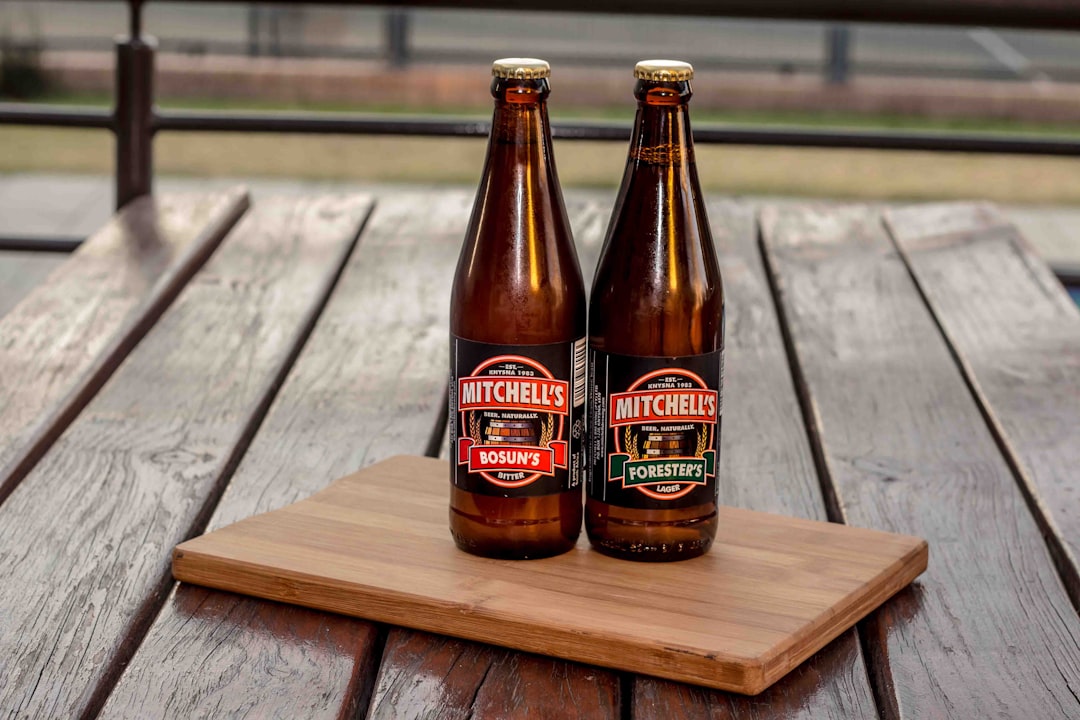
If you’ve typed fine balance brewery, counterpart brewery into a search bar, you’re probably trying to decide which of these two breweries to try next — or you want to build a tasting flight that highlights what each does best. I’ve spent plenty of nights taste-testing, comparing labels, and hunting down rare cans so I can share practical, no-nonsense guidance on what makes each brewery tick, how their beers differ, and how you can enjoy them best (including where to buy them conveniently through Beer Republic).
Why Compare These Two Breweries?
Comparing breweries isn’t about picking a winner — it’s about understanding choices. For many of us, the conversation starts with style preferences: do you want a crisp, balanced lager that goes down easy after mowing the lawn, or a rich, experimental stout that rewards slow sipping? Fine Balance Brewery and Counterpart Brewery occupy interesting spots in the craft landscape, and pairing them side-by-side reveals what craft beer diversity really looks like.
Throughout this article I’ll cover brewing philosophies, signature styles, tasting notes, food pairings, how to shop for their beers at Beer Republic, and tips for hosting a tasting flight that’ll impress friends. I’ll also drop practical buying and storage tips so your beers arrive and taste as intended.
At a Glance: What Each Brewery Brings to the Table
Fine Balance Brewery — The Art of Restraint
Fine Balance Brewery tends to focus on beers where precision and harmony are the point. Think restrained bitterness, thoughtful hop selections, and a spotlight on drinkability. These beers are the ones you pick up when you want consistency: they’re sessionable, approachable, and crafted so different elements support each other without any one component dominating.
- Typical strengths: balanced IPAs, pale ales, crisp lagers, clean saisons.
- Who it’s for: people who appreciate nuance over bombastic breweries, and drinkers who prefer beer they can enjoy across multiple occasions.
- Buying tip: look for sealed cans or bottles and consume fresh; hop-forward but balanced beers shine when fresh.
Counterpart Brewery — Collaboration and Experimentation
Counterpart Brewery often leans into experimentation and collaboration. They’re the kind of brewery that might blend a farmhouse ale with wild yeast, team up with a local coffee roaster for a limited-run stout, or brew a barrel-aged series. If you like beers that surprise you or tell a story — a beer born from local ingredients or a meeting of two brewers’ ideas — this is where to look.
- Typical strengths: barrel-aged stouts, fruited sours, mixed fermentation saisons, collaborative IPAs.
- Who it’s for: adventurous drinkers who enjoy novelty, complex flavors, and small-batch releases.
- Buying tip: check release dates and cellaring recommendations; some Counterpart beers improve with age while others are best fresh.
Brewing Philosophy and Production Styles
I find that the brewery’s philosophy shows up in how they talk about their beers. Fine Balance speaks the language of balance and consistency — measured hop additions, temperature-controlled fermentation, and refined recipes. Counterpart talks about process, partnerships, and pushing boundaries — wild yeast strains, barrel programs, and limited-run experiments.
Ingredients and Hops
Fine Balance tends to use hops and malts that highlight clarity: single-origin hop bills or classic combinations that showcase aroma without overwhelming bitterness. Counterpart might mix a dozen hop varieties, or use fruit adjuncts and local ingredients to create more idiosyncratic aromas and flavors.
Yeasts and Fermentation
Fine Balance favors clean fermentations — lager or neutral ale yeasts that let hops and malt shine. Counterpart isn't shy about bringing in mixed cultures or unique strains of Belgian and Brettanomyces yeasts for funkier profiles.
Barrel Aging and Special Projects
Barrel programs are a natural place where the two breweries diverge. Fine Balance might age a beer briefly to add gentle oak notes, keeping the overall profile familiar. Counterpart treats barrels as a lab: long-term aging, blends, and high-risk/high-reward releases are typical. If you're curating a collection, Counterpart bottles can be intriguing candidates for cellaring.
Tasting Notes: How to Read These Beers
I’ll walk you through the kinds of tasting notes you can expect, and I’ll explain how to pick flavors apart when you’re sipping — whether you're at a bar, brewery taproom, or sampling from Beer Republic’s selection at home.
What to Expect from a Fine Balance Pale Ale
- Appearance: pale golden with a lively white head.
- Aroma: citrus peel, gentle floral hops, subtle bready malt.
- Taste: restrained hop bitterness, a light caramel backbone, clean finish.
- Finish: crisp, slightly dry — leaves you ready for another sip.
Tip: To enjoy the balance, sip slowly and note how the hop character and malt interplay instead of trying to spotlight a single dominant note.
What to Expect from a Fine Balance Pilsner or Lager
- Appearance: clear straw to pale gold.
- Aroma: grassy noble hops or soft biscuit malt.
- Taste: clean fermentation profile, balanced bitterness, moderate carbonation.
- Finish: refreshing, pairs wonderfully with spicy or fried foods.
What to Expect from a Counterpart Barrel-Aged Stout
- Appearance: opaque black, long-lasting tan head.
- Aroma: dark chocolate, coffee, vanilla from oak, and sometimes a vinous note from barrel maturation.
- Taste: dense roast, layered malt sweetness, boozy warmth (if barrel-aged in spirit barrels), rounded by tannins from wood.
- Finish: long, warming, and often evolves in the glass.
What to Expect from a Counterpart Mixed-Fermentation or Fruited Sour
- Appearance: haze or brilliant clarity with a colorful hue depending on fruit.
- Aroma: lactic tartness, bright fruit esters, sometimes barnyard funk if aged on barrel.
- Taste: puckering acidity balanced with fruit sweetness or oak complexity.
- Finish: refreshing; these are great palate cleansers between richer beers.
Food Pairings That Bring Out the Best
Pairing beer with food is one of my favorite ways to deepen appreciation. Here are pairing ideas that work well whether you’re hosting a tasting or grabbing a six-pack from Beer Republic.
Fine Balance Pairings
- Pale Ale: grilled chicken, fish tacos, or a light curry. The beer’s balance complements spice without overpowering it.
- Lager/Pilsner: sushi, salads with citrus vinaigrette, or classic fish and chips.
- Session IPAs: charred vegetables, burger sliders, or sharp cheddar — these beers brighten rich flavors.
Counterpart Pairings
- Barrel-Aged Stout: chocolate dessert, blue cheese, or roast beef. Go slow — these beers are contemplative.
- Fruited Sour: goat cheese, fresh berries, or light desserts like lemon tart.
- Collaborative IPAs: spicy Thai or Szechuan dishes — the hops can handle intense flavors and reset the palate.
Shopping and Finding These Beers on Beer Republic
If you’re anything like me, convenience matters. Beer Republic makes discovering and buying beers from both Fine Balance Brewery and Counterpart Brewery straightforward, whether you want single bottles, mixed packs, or special releases.
How I Use Beer Republic to Build Tasting Flights
I start by searching the site for the breweries’ names or browsing the curated collections. Beer Republic’s filters (style, ABV, country) are great when you want to put together a balanced flight: pick a session beer, a hop-forward beer, and a barrel-aged or sour beer to round things out. They also feature limited drops and pre-orders, which is perfect for grabbing Counterpart’s experimental releases.
Tips for Buying
- Check release notes: Some Counterpart beers might be bottle-conditioned or have cellaring recommendations.
- Buy variety packs: If available, a mixed pack saves you time and coordinates styles.
- Sign up for alerts: Beer Republic often notifies subscribers about restocks and limited releases.
- Fast shipping: Choose expedited shipping for hop-forward beers to maintain freshness.
How to Host a Head-Turning Tasting Featuring Both Breweries
I host tastings that are easy to set up and fun for a range of drinkers. Here’s a simple plan that highlights the strengths of Fine Balance and Counterpart without overwhelming guests.
- Choose a theme: “Balance vs. Boldness” works well. Pick three offerings from each brewery or mix and match by style.
- Start with lighter beers: Pilsners and pale ales first, then hop-forward offerings, and finish with barrel-aged stouts or sours.
- Provide palate cleansers: Plain crackers and water. Cheese and charcuterie are optional but elevate the experience.
- Make tasting cards: Include brewery background, ABV, and 3 tasting prompts per beer (aroma, flavor, finish).
- Encourage discussion: Ask guests which brewery’s approach they prefer and why. You’ll get interesting takes!
Cellaring, Shelf Life, and Storage Tips
Not every beer benefits from aging, but with Counterpart’s barrel-aged lineup, cellaring can be rewarding. Fine Balance’s session beers are best enjoyed fresh.
- Store cool and upright: Aim for 50–55°F for cellaring, and keep cans and bottles upright to minimize cork or cap contact with the beer.
- Consume fresh IPAs: Hop-forward beers are at their best within a few weeks to a few months of release.
- Age stouts and strong ales: Barrel-aged and high-ABV beers develop complexity over years; check bottling dates and the brewery’s recommendations.
Supporting the Breweries: What to Expect When You Visit or Order
Visiting a taproom or buying direct supports the brewery, but Beer Republic is a great middle ground if you want quick access or don’t live near the breweries. When you do visit a taproom, expect a different experience:
- Fine Balance taprooms: usually calm and focused on staples — a place to enjoy a reliable pint.
- Counterpart taprooms: more experimental, with rotating taps and guest brews. Great for discovering limited releases.
If you can’t make it to a taproom, Beer Republic’s collections and craft-focused customer service make supporting both breweries simple. They often provide tasting notes, serving suggestions, and curated bundles that reflect each brewery’s identity.
Practical Examples: My Go-To Flight Pairings
Here are a few flights I’ve put together that show the contrast and complement between Fine Balance and Counterpart productions. These are easy to assemble from Beer Republic’s site.
Flight A — “Easy Afternoon”
- Fine Balance Pilsner or Lager
- Fine Balance Session IPA
- Counterpart Fruited Sour (light, refreshing)
Why it works: start crisp, move to citrusy hop character, and finish with a tart, fruity cleanser.
Flight B — “Evening Contrast”
- Fine Balance Pale Ale
- Counterpart Collaborative IPA (hoppy, experimental)
- Counterpart Barrel-Aged Stout
Why it works: a progression from balanced to bold, demonstrating how different approaches to hops and aging create entirely different experiences.
Community, Sustainability, and Brand Values
Both breweries usually participate in their local communities — breweries are hubs for events and collaborations. Counterpart’s collaborative nature often extends to fundraising releases and partnerships with local producers. Fine Balance’s emphasis on consistency can mean long-term relationships with farmers or hop suppliers.
If sustainability matters to you (it does to me), look for information on the brewery’s site or Beer Republic’s product pages about local sourcing, canning vs. bottling choices (cans are often more recyclable), and carbon footprint initiatives. These details help you vote with your wallet.
Final Thoughts: Which One Should You Try First?
If you enjoy beers that are approachable, consistent, and slot into many occasions, start with Fine Balance Brewery. If you thrill to discovery, limited releases, and beers that take risks, Counterpart Brewery is your kind of place. But the joy of craft beer is in the exploration — mixing both in a tasting flight is the fastest way to refine your palate and discover new favorites.
When you’re ready to buy, Beer Republic simplifies the hunt. Their wide selection of American and Canadian craft beers, fast shipping, and curated collections make it easy to build tastings or grab a single bottle for a quiet night in. I personally like to keep a rotating selection from both breweries on hand so I can switch moods without a trip to multiple stores.
Frequently Asked Questions
Are Fine Balance Brewery and Counterpart Brewery part of the same company?
No — they’re distinct breweries with different philosophies. Fine Balance focuses on restrained, balanced beers, while Counterpart emphasizes collaboration and experimental releases.
How should I store hop-forward beers from these breweries?
Keep hop-forward beers cold and upright, and drink them fresh whenever possible. For IPAs, aim to consume within a few weeks to a few months of the release date to capture peak hop aroma.
Can I find both breweries’ beers on Beer Republic?
Yes. Beer Republic carries a wide selection of American and Canadian craft beers and often stocks offerings from both Fine Balance and Counterpart. Use the site’s filters and sign up for restock notifications for limited releases.
Do any beers from these breweries benefit from aging?
Some of Counterpart’s barrel-aged beers can benefit from cellaring for a year or more. Fine Balance’s session beers are best fresh. Always check bottling dates and the brewery’s recommendations.
What’s a simple tasting flight to introduce friends to both breweries?
Start with a Fine Balance Pilsner or pale ale, move to a Counterpart collaborative IPA, and finish with a Counterpart barrel-aged stout or a fruited sour. This progression highlights balance, hop exploration, and complex aging.
Parting Sip
Exploring fine balance brewery, counterpart brewery is a great way to see how varied craft brewing can be. One brewery shows you the power of restraint and refinement; the other shows you the thrill of experimentation. Both deserve a spot on your tasting table. And if you want a simple, reliable source for both — whether for a casual night or an elaborate tasting — Beer Republic is a go-to choice for selection and fast delivery. Cheers to tasting more, learning more, and finding the brews that speak to you.
