
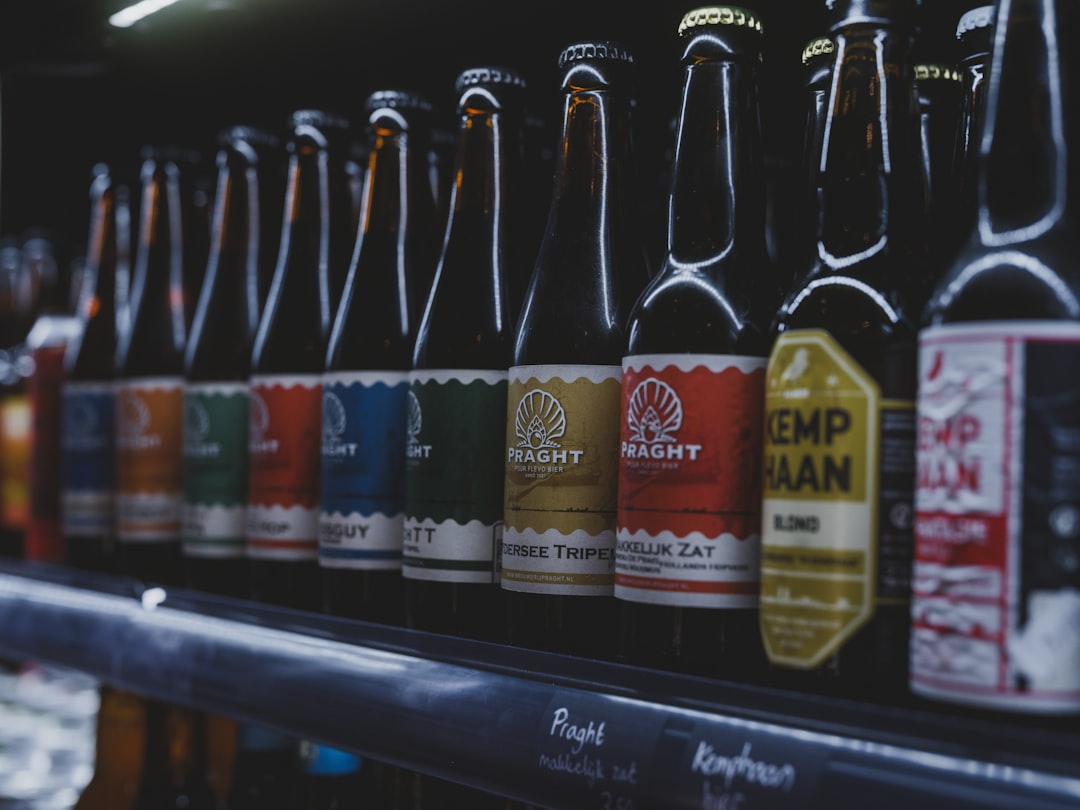
A decade ago, a cloudy glass of New England IPA would have raised eyebrows at most bars; today it’s a staple on many tap lists, and a new wave of innovations keeps arriving every season. Emerging beer styles reflect both brewer curiosity and shifting drinker tastes—toward softer mouthfeel, bold fruit character, mixed fermentation funk, lower alcohol options, and surprising hybrids that blur the lines between beer, wine, and cocktails.
This article walks through the most important emerging beer styles, explains how they’re made, describes tasting and pairing notes, and offers practical tips for finding and enjoying them. It’s written for craft beer enthusiasts and casual drinkers who want to understand what’s new in the taproom and the can line—and where to source these brews. Beer Republic’s curated selection of American and Canadian craft beers makes it easier for shoppers to explore many of these styles, whether they’re hunting hazy IPAs, pastry stouts, or experimental kveik ales.
Why New Beer Styles Appear
Emerging beer styles don’t happen in a vacuum. Several forces drive innovation in brewing:
- Ingredient availability and hop breeding: New hop varieties with tropical, stone-fruit, and coconut-like aromatics expand flavor possibilities.
- Yeast exploration: House yeasts, Norwegian kveik, and Brettanomyces strains produce flavors beyond classic ale and lager profiles.
- Technique innovation: Methods like whirlpool hopping, dry-hopping, kettle souring, and barrel aging create fresh textures and aromas.
- Consumer demand: Drinkers ask for softer mouthfeel, lower ABV options, fruit-forward beers, and dessert-like brews.
- Cross-category influence: Trends in wine, cocktails, and fermented foods leak into beer, inspiring hybrid products.
When brewers experiment with one or more of these elements and consumers respond, a new style can move from niche to mainstream—or spawn dozens of local variations.
How to Read This Guide
This piece breaks down emerging beer styles into clear sections: what each style is, how brewers make it, what it tastes like, suggested food pairings, and tips for buying and storing. Technical terms are marked with italics and emphasized concepts appear in bold. Practical recommendations highlight how shoppers—especially visitors to Beer Republic—can find and sample these beers.
Top Emerging Beer Styles
The following styles are prominent among craft brewers in the USA and Canada. Some are niche and experimental, others are growing fast. Each subsection includes tasting notes and pairing ideas.
1. New England / Hazy IPA
What it is: A soft, cloudy, hop-forward ale known for fruit-forward hop aroma and a pillowy mouthfeel. It emphasizes hop flavor and aroma over bitterness.
How it’s brewed: Brewers use large doses of late and dry hops, high-protein grains like oats and wheat, and often keep fermentation at temperatures that favor fruity esters. Techniques like whirlpool hopping and heavy dry-hopping are common.
Taste and aroma: Tropical fruit, citrus, stone fruit, low bitterness, and a creamy texture. Expect aromas of mango, pineapple, and orange peel.
Pairing: Spicy Asian dishes, sushi, soft cheeses, and grilled seafood.
Buying tips: Freshness matters—buy cans with recent pack dates. Beer Republic’s hazy IPA collections highlight top-rated examples from regional breweries, with filters for ABV and freshness.
2. Brut IPA and Other Dry IPAs
What it is: A very dry, effervescent IPA that often drinks lighter and cleaner than other IPA styles. It gained attention for its champagne-like dryness.
How it’s brewed: Enzymes like amyloglucosidase reduce mouthfeel by breaking down dextrins, producing a bone-dry finish. Dry hopping adds aroma without perceived sweetness.
Taste and aroma: Bright hop aromatics (citrus, floral), crisp finish, high carbonation. Bitterness is restrained compared with traditional American IPAs.
Pairing: Shellfish, oysters, poultry with citrus glazes, and light salads.
3. Milkshake IPA and Fruity, Dessert-like IPAs
What it is: A subgenre of hazy IPAs that emphasizes sweetness, lactose-induced creaminess, and dessert flavors like vanilla, berry, and chocolate—hence the “milkshake” moniker.
How it’s brewed: Brewers add lactose (unfermentable sugar), fruit purées, vanilla, and sometimes adjuncts like cocoa nibs. Oat and wheat adjuncts boost mouthfeel.
Taste and aroma: Sweet, creamy, jammy fruit notes—think a boozy smoothie. Bitterness is usually low.
Pairing: Dessert courses, berry tarts, and coffee-based treats.
Note: These are often high in calories and should be considered dessert beers rather than session options.
4. Pastry and Dessert Stouts
What it is: Stouts brewed to taste like baked goods, candy, or coffeehouse treats. Flavors include chocolate, vanilla, caramel, peanut butter, and marshmallow.
How it’s brewed: Rich base malts, adjuncts (lactose, vanilla beans, cocoa nibs), and barrel-aging for complexity. Brewers balance sweetness with roast character.
Taste and aroma: Intense dessert notes—think chocolate cake, espresso, or crème brûlée—with a viscous texture.
Pairing: Dark chocolate, blue cheese, smoked meats, or simply as an after-dinner treat.
5. Kveik and Other Yeast-Driven Ales
What it is: Beers fermented with traditional Norwegian kveik yeast strains or other novel yeasts that produce distinctive fruity esters and ferment quickly at high temperatures.
How it’s brewed: Kveik tolerates warm fermentation (often 30–40°C / 86–104°F) without off-flavors, producing citrus, tropical fruit, and sometimes honey notes. Many brewers use it for farmhouse ales, IPAs, and experimental ales.
Taste and aroma: Robust tropical and stone-fruit esters, fast fermentation character, and a clean finish despite warm-fermenting conditions.
Pairing: Grilled meats, pickled dishes, and spicy foods.
6. Cold IPA / India Pale Lager (IPL)
What it is: Hoppy beers fermented with lager yeast or lager-fermented processes to achieve a crisp, focused hop expression and lager-like clarity.
How it’s brewed: Fermentation uses lager yeast strains (lower-temperature fermentations) or hybrid approaches: a lager fermentation with dry-hopping at cold temperatures to preserve hop aromatics.
Taste and aroma: Clean, crisp body with pronounced hop aroma—pine, resin, citrus—without the ester profile of ales.
Pairing: Barbecue, burgers, or any dish that benefits from cleansing acidity and hop bitterness.
7. Fruited Sours and Mixed-Fermentation Ales
What it is: Sour beers enhanced with fresh or preserved fruit, or beers produced through mixed-culture fermentation (saccharomyces plus lactobacillus, pediococcus, and/or Brettanomyces).
How it’s brewed: Kettle souring speeds up the acidification process, while barrel fermentation and aging allow for deeper complexity and funk. Fruit is added during fermentation or conditioning for aroma and flavor.
Taste and aroma: Tartness ranges from soft and refreshing to puckering; acidity pairs with fruit sweetness to create bright, lively profiles.
Pairing: Fried chicken, spicy tacos, blue cheeses, and fruit desserts.
8. Barrel-Aged Sour, Wild Ales, and Funky Beers
What it is: Beers aged in wood barrels to develop acidity, tannin, and complex "funk" from wild yeasts and bacteria.
How it’s brewed: These beers undergo long maturation in oak (bourbon, wine, or neutral barrels), allowing oxygen exchange and microbial activity that produce leathery, barnyard, or barnyard-fruity notes.
Taste and aroma: Layers of acidity, oxidative sherry-like notes, Brett funk, and wood-derived vanilla or tannin.
Pairing: Rich cheeses, charcuterie, and savory stews. They’re also excellent with complex desserts like crème brûlée.
9. Grisette and Farmhouse Revival
What it is: A renewed interest in light, dry, and refreshing farmhouse ales—grisette, saison variations, and modern interpretations of historical farmhouse beers.
How it’s brewed: Light malts, moderate hopping, and fruity-spicy yeast character. Brewers sometimes add local grains or herbs to evoke terroir.
Taste and aroma: Peppery yeast, citrus, mineral dryness, and a thirst-quenching finish.
Pairing: Salads, oysters, and café-style fare. Grisettes are excellent as sessionable daytime beers.
10. Gose and Salted/Spiced Sours
What it is: A traditional German sour with salt and coriander, now reimagined with fruit, herbs, and global spices.
How it’s brewed: Low-alcohol, kettle-soured or mixed-fermented, with additions like sea salt, hibiscus, or exotic fruit. The interplay of salt and acid makes many modern versions surprisingly complex.
Taste and aroma: Tart, saline, sometimes floral or fruity, with a brisk mouthfeel.
Pairing: Seafood, ceviche, and dishes with bright acidity.
11. Table Beers, Low-ABV Craft, and Non-Alcoholic Craft
What it is: Brewed for sessionability or for drinkers seeking the craft experience without high alcohol—table beers (2–4% ABV), low-ABV ales, and sophisticated non-alcoholic craft beers.
How it’s brewed: Lower gravity worts, careful fermentation control, and modern dealcoholization methods for NA beers that preserve aroma and flavor.
Taste and aroma: Can vary widely, but the goal is balance and drinkability rather than intensity.
Pairing: Everyday meals—pizza, grilled vegetables, and light sandwiches.
12. Black IPAs and Dark Hoppy Ales
What it is: Hoppy beers with a darker malt backbone—also known as Cascadian Dark Ales—that combine roast character with modern hop aromatics.
How it’s brewed: Use of darker malts in IPAs or dual-mash profiles to maintain hop clarity amid roast. The malt roast provides coffee or chocolate notes that complement citrusy hops.
Taste and aroma: Roasted malt, dark chocolate, and resiny hop aroma.
Pairing: Grilled meats, barbecued brisket, and spicy dishes that handle both roast and hop intensity.
Technique Spotlight: What Brewers Are Doing Differently
Understanding the techniques behind these styles helps drinkers appreciate them more. A few recurring innovations:
- Kettle souring: Rapid acidification using lactobacillus in the kettle before boil—used for fruity sours and many gose-style beers.
- Barrel aging and blending: Brewers blend multiple barrels and vintages to create balanced, layered wild ales.
- Dry-hopping methodology: Double dry-hopping (DDH), time-controlled additions, and use of cryo hop products concentrate aroma while minimizing bitterness.
- Enzymatic clarity: Enzymes like amyloglucosidase create ultra-dry beers (Brut IPA).
- Novel yeast strains: Kveik, Brett, and proprietary house yeasts expand ester and phenolic profiles beyond traditional strains.
How Drinkers Can Discover and Evaluate Emerging Beer Styles
For craft beer fans who want to stay ahead of trends, here are practical steps for discovery and evaluation:
- Follow taprooms and regional breweries: Local brewpubs often debut experimental one-offs and seasonal batches.
- Read labels and pack dates: For hop-forward beers, freshness is crucial—look for recent canning dates.
- Sample at tasting flights: Flights allow direct comparisons between styles and variations without commitment.
- Join online communities and newsletters: Forums, brewery mailing lists, and curated retailers like Beer Republic announce new releases and limited drops.
- Attend festivals and bottle releases: Festivals are a great place to try multiple emerging styles in one day.
Tasting and Serving Tips
Emerging beer styles often reward careful pouring and proper glassware. A few simple tips:
- Glassware: Use a tulip or IPA glass for aromatic beers (NEIPAs, Brut IPAs). Use a snifter for barrel-aged and pastry stouts. Pilsner glasses suit cold IPAs and lagers.
- Temperature: Cold for crisp lagers and Brut IPAs (38–45°F / 3–7°C). Slightly warmer for hazy IPAs and sours (45–55°F / 7–13°C). Stouts and barrel-aged beers show best at cellar temps (50–55°F / 10–13°C).
- Pour technique: A two-stage pour helps preserve head and aroma—tilt the glass for most beers, then straighten near the end for a foamy crown.
- Glass hygiene: Rinse the glass with cold water before pouring to reduce residual soap and improve head retention.
Food Pairing: Matching Flavors to Emerging Styles
Pairing modern beers can be as creative as pairing wine. Here are quick guides tailored to the styles above:
- Hazy IPAs: Balance spicy or herb-heavy dishes; they’re friendly with Thai or Cajun cuisine.
- Brut IPAs: Shellfish and delicate fish dishes—think champagne substitutes.
- Milkshake IPAs: Sweet desserts and creamy cheeses; avoid overly spicy food that clashes with sugar.
- Pastry stouts: Chocolate desserts, pecan pie, or smoked meats for contrast.
- Fruited sours: Spicy foods, fresh salads, or light fish dishes that can handle acidity.
- Cold IPAs and IPLs: Rich, fatty dishes—fried chicken or burgers—where hops cut through fat.
- Barrel-aged sours: Mature cheeses, charcuterie, and savory stews.
Buying and Cellaring: Practical Considerations
Not all beers benefit from long-term aging. Here’s a short guide:
- Drink fresh: Hazy IPAs, Brut IPAs, and most hop-forward beers are best within weeks to a few months of packaging.
- Cellar cautiously: Barrel-aged stouts, mixed-fermentation sours, and some high-ABV ales improve over years if stored cool and dark.
- Non-alc and low-ABV: These are generally best fresh to retain aroma and flavor.
- Storage tips: Cool (50–55°F / 10–13°C), dark, and stable temperatures extend shelf life. Keep cans upright to minimize corrosion risk and oxidation.
Where to Find These Beers
Exploring emerging beer styles is easier now that many retailers curate regional selections and offer fast shipping. Beer Republic, for instance, specializes in top-rated American and Canadian craft beers across a wide range of styles—making it a convenient place for enthusiasts to discover hazy IPAs, pastry stouts, barrel-aged sours, and rare kveik-brewed ales. The site’s filters and collections help shoppers find beers by style, ABV, hop character, and freshness, and fast shipping means hop-forward beers arrive tasting their best.
Local bottle shops and brewery taprooms remain essential for discovery, especially for one-offs and small-batch experimental releases that don’t reach wide distribution.
The Future: Trends to Watch
Looking ahead, several trends will likely shape the next wave of emerging beer styles:
- Terroir and local grains: Brewers will experiment more with locally sourced barley, heritage grains, and region-specific hop cultivars.
- Sustainability: Water-reduction techniques, renewable energy, and zero-waste brewing will influence ingredient choices and styles.
- Low-ABV and NA craft growth: Demand for flavorful, low- or no-alcohol beers will spur creative, complex non-alcoholic styles.
- Hybridization: More blends between beer, cider, and wine methods—think barrel blends with wine grapes or beer-cider hybrids.
- Yeast-driven exploration: New commercial strains and proprietary house yeasts will continue to redefine flavor possibilities.
Practical Tips for Brewers and Homebrewers
Brewers experimenting with emerging styles should focus on recipe clarity and process control. A few tips from the field:
- Start small: Pilot batches let brewers dial in hop schedules, yeast behavior, and adjunct additions without wasting resources.
- Document everything: Dry-hop timing, whirlpool temps, oxygen pickup, and yeast pitching rates dramatically affect final character.
- Control fermentation: For kveik and other novel yeasts, test different temperatures—kveik can be forgiving at higher temps, but it still benefits from controlled environments.
- Be mindful of lactose and adjuncts: In pastry stouts and milkshake IPAs, adjuncts can mask flaws; aim for balance and avoid overloading with sugars that ferment unpredictably.
- Blending matters: For barrel-aged or mixed-fermentation beers, blending multiple barrels or batches often produces a superior, balanced final beer.
Case Studies: How a Few Breweries Are Pushing Boundaries
Examples help illustrate the range of experimentation happening right now:
- Small coastal breweries are creating juicy, low-bitterness IPAs with local citrus and sea-sprayed hops to capture a “coastal” vibe.
- Urban barrel rooms are blending wild ales with beer aged on fruit purées, creating tart, complex offerings that bridge sour beer and fruit wine zones.
- Regional lager houses are reintroducing hop-forward lagers—IPL and cold IPA styles that combine lager clarity with modern hop aromas.
These case studies reflect a simple principle: brewers borrow techniques across categories to create something new. The result is a beer landscape where nearly every classic style has a modern offshoot.
Responsible Enjoyment
Emerging beer styles often push boundaries in alcohol content and flavor intensity. Enthusiasts should enjoy them responsibly. Lower-ABV options and sharing flights make exploration safer and more social—while still delivering a rich tasting experience.
Summary
Emerging beer styles are reshaping what craft drinking looks like: softer, juicier IPAs; dessert-influenced stouts; wild, barrel-aged sours; quick-turnaround kveik ales; and crisp, hop-forward lagers. These trends arise from new ingredients, innovative techniques, and a culture of experimentation that invites brewers to push limits.
For drinkers eager to explore, the best approach is curiosity combined with a few practical habits: buy fresh for hop-forward beers, try flights to compare styles, attend releases, and support both local brewpubs and curated retailers. Beer Republic’s collections of American and Canadian craft beers provide a convenient way to sample many of these emerging styles and keep up with seasonal drops and specialty releases.
Whether a drinker prefers a bright Brut IPA with oysters, a fruit-forward sour with spicy street food, or a decadent pastry stout for dessert, the contemporary beer scene offers new options to match any mood. The next big thing is likely already fermenting in someone’s pilot system—so there’s always something new to taste.
Frequently Asked Questions
What makes a beer style "emerging" rather than established?
A style is considered emerging when it’s gaining attention and experimentation but hasn’t yet settled into widely accepted guidelines or broad distribution. Emerging styles often originate from brewer innovation, local trends, or new ingredients and may evolve rapidly as brewers refine techniques.
How should drinkers choose between a hazy IPA and a Brut IPA?
Hazy IPAs prioritize soft mouthfeel, fruit-forward hops, and low perceived bitterness; they’re plush and aromatic. Brut IPAs are very dry, highly effervescent, and showcase hop aroma with a champagne-like finish. Preference comes down to texture and sweetness: choose hazy for creaminess and fruit, Brut for dryness and crispness.
Are pastry stouts just sugary beers?
Not necessarily. While pastry stouts can be sweet and dessert-like—often using lactose, vanilla, and chocolate adjuncts—well-crafted examples balance sweetness with roast, alcohol warmth, and, when applicable, barrel complexity. They’re intended as dessert beers rather than everyday session ales.
How long do barrel-aged sour beers need to age?
It varies. Some kettle-soured fruited sours are drinkable within weeks, while mixed-culture barrel-aged beers often require months to years to develop desired acidity and funk. Blending multiple barrels can accelerate balance, but patience pays off for depth and complexity.
Where can someone reliably buy a variety of emerging beer styles?
Specialty retailers and curated online shops are good places to start. Beer Republic specializes in top-rated American and Canadian craft beers across many emerging styles, with filters and collections that make discovery easier and fast shipping to get fresh beers to drinkers quickly. Local taprooms, brewery websites, and beer festivals are also excellent discovery channels.
