
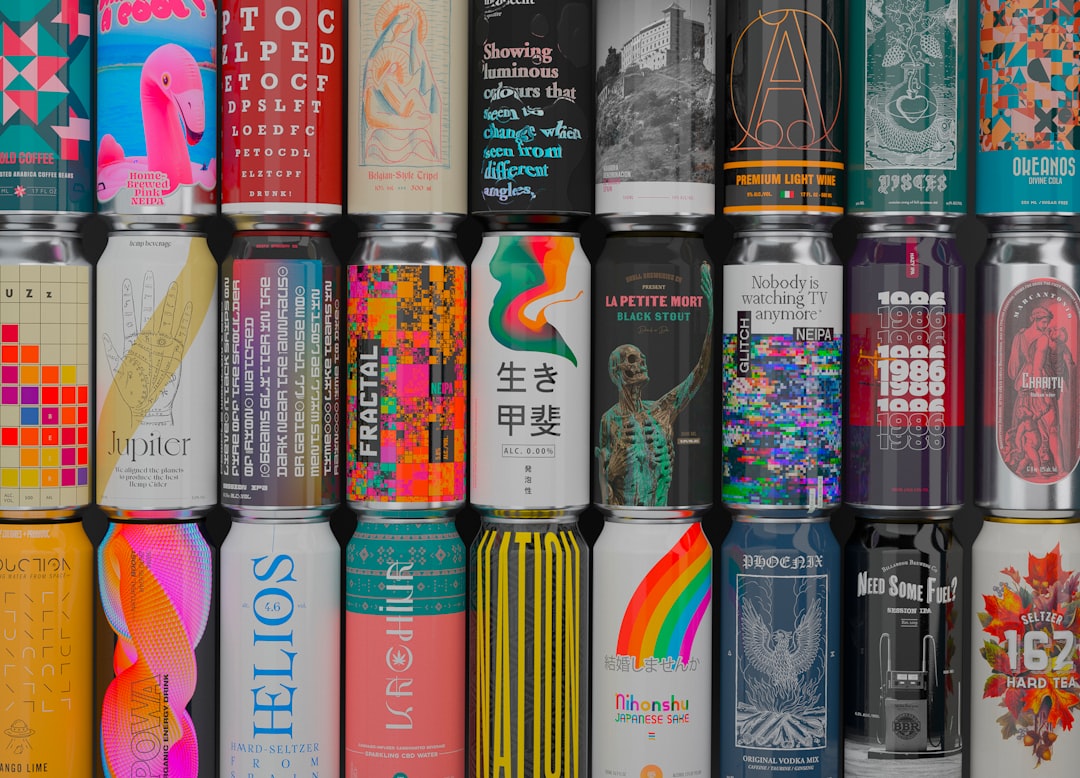
This season's latest beer releases have breweries experimenting with bold hop combinations, refined lager techniques, and imaginative barrel-ageing that keeps craft beer fans excited. For people who follow new beer drops closely, the current wave mixes familiar crowd-pleasers — hazy IPAs and crisp pilsners — with adventurous one-offs like pastry stouts, mixed-fermentation sours, and collaborative “droplets” that sell out fast. This guide walks through what matters about the latest beer releases, how to pick the best ones, and where collectors and casual drinkers can find standout cans and bottles.
Why Brewers Keep Releasing New Beers
Breweries launch fresh beers for several smart reasons that go beyond marketing. Understanding those forces helps fans separate gimmicks from genuinely exciting releases.
- Innovation and experimentation: Small batches let brewers test new yeast strains, hop varieties, and adjuncts without a huge risk. When a recipe shines, it often becomes a seasonal staple.
- Customer engagement: Limited releases and collaborations build community buzz. Taproom-only releases and numbered runs give fans a reason to visit and talk about the brewery.
- Seasonal alignment: Lighter lagers and fruited sours appear in spring and summer; robust stouts and barrel-aged beers arrive in fall and winter.
- Brand differentiation: A unique release — think smoked malt porter with coffee from a local roaster — can set a brewery apart in a crowded market.
- Market demand: Trends like hazy IPAs or low-ABV session ales guide many release calendars. Brewers respond to what drinkers want while also nudging tastes forward.
Major Trends Shaping the Latest Beer Releases
Several clear trends show up repeatedly among the latest beer releases. Craft beer fans will notice these flavors and formats when scanning new arrivals.
Hazy and New England–Style IPAs Stay Strong
Hazy IPAs remain a top category. Brewers keep refining haze with smoother hop bitterness and juicier hop profiles, often focusing on Mosaic, Citra, and experimental strains that give citrus, tropical, and stone-fruit notes.
Barrel-Aged and Imperial Stouts Continue to Impress
Barrel-aging — bourbon, rum, wine, or even tequila barrels — produces complex flavors and collectible releases. Barrel-aged stouts are often higher ABV, rich in chocolate, vanilla, and oak, and ideal for cellaring.
Sour and Wild Fermentations Expand
Sour beers, from quick kettle-soured fruit ales to long-aged mixed-fermentation bottles, keep growing in sophistication. Brewers blend funk, acid, and fruit to create nuanced sours that appeal beyond the usual sour aficionados.
Lager Resurgence
After years in IPAs’ shadow, craft lagers — pilsners, helles, and craft take on classic lager styles — are earning renewed respect. Expect crisp finishes, tight carbonation, and hop restraint that highlights malt and nuance.
Low-ABV and Session-Friendly Options
Demand for lower-alcohol beers that still taste like craft has led to more session IPAs, table beers, and alcohol-removed options. These allow fans to enjoy multiple pours without the heavy ABV toll.
Collaborations and Cross-Industry Pairings
Collaborations with coffee roasters, chocolatiers, wineries, and local chefs produce innovative flavor combinations. These releases often sell quickly and create memorable taproom moments.
What to Look For When Exploring the Latest Beer Releases
Not all new beers are made equal. Craft beer fans who evaluate releases with intention will find better value and more satisfying drinking experiences.
- Ingredient transparency: Releases that list hop varieties, yeast strains, adjuncts (like fruit or cacao), and aging details give a clearer picture of what to expect.
- Batch size and labeling: Small-batch runs (e.g., 100–500 cases) and numbered bottles often indicate limited editions that may be worth snagging. Look for tasting notes and suggested serving temps on the label.
- Reviews and chatter: Peer reviews on platforms like Untappd can quickly reveal whether a release is hype or truly special. That said, early ratings can be skewed by collectors.
- Style fit: A new beer that aligns with a fan's favorite style is more likely to please. But occasional detours into unfamiliar styles often lead to pleasant discoveries.
- Ageability: High-ABV barrel-aged beers and certain sour blends improve with time. Freshness matters for IPAs and fruited sours, so check bottling dates when possible.
Notable Types of Latest Beer Releases and What They Offer
Instead of cataloging individual breweries’ drops, it's more useful to examine the types of releases pouring through taprooms and shelves. This helps drinkers spot what they'll enjoy from the latest beer releases.
Double and Triple IPAs
These are hop-forward, higher-alcohol expressions that pack intense fruit-forward aromas and sticky mouthfeel. Drinkers who love bold hop candy, resin, and big finish look here first.
Hazy/New England IPAs
Cloudy appearance, soft bitterness, and juicy hop character define the style. They often pair well with spicy food and fruity desserts.
Session IPAs and Low-ABV Ales
Lower ABV doesn't mean lower flavor. Brewers focus on hop aroma and balance to make session options that are crushable yet complex.
Barrel-Aged Stouts and Big Porters
These releases often come with tasting notes of coffee, molasses, dark chocolate, vanilla, and oak. They make excellent cellar projects and special-occasion beers.
Sours and Mixed Fermentations
From kettle-soured fruit beers to deep, funky blends aged in oak, modern sours offer a spectrum from bright and tart to wildly complex.
Laggers and Pilsners
Expect clean malt profiles, herbal hop accents, and crisp finishes. Because of their technical brewing process, well-made lagers often signal a brewery’s craft chops.
Fruited Ales and Pastry Stouts
Fruited sours, fruited wheat beers, and decadent pastry stouts continue to attract curious drinkers who want dessert-like complexity in a glass.
How Craft Beer Fans Can Prioritize Which Releases to Try
When the latest beer releases flood the market, choices can feel overwhelming. Here are practical strategies fans use to curate their tasting lists.
- Start with styles they already like. Trying a new IPA from a trusted brewery yields fewer disappointments than randomly grabbing an unfamiliar imperial stout.
- Reserve budget for small-batch curiosity. Allocate a portion of the beer budget to one or two experimental releases each month.
- Buy single bottles or splits when possible. Sharing a rare bottle among friends keeps cost down and spreads the pleasure.
- Follow trusted curators. Local bottle shops, Beer Republic’s new arrivals pages, and respected beer writers highlight releases worth pursuing.
- Attend release events. Taproom days and beer fests let people sample multiple new beers without committing to full bottles.
Pairing the Latest Beer Releases with Food
Pairing can enhance both the beer and the meal — and the latest beer releases often lend themselves to fun culinary matches.
Hazy IPAs
- Pair with spicy Asian dishes, fish tacos, or citrusy salads. The juicy hop profile complements heat and bright flavors.
Barrel-Aged Stouts
- Match with chocolate desserts, smoked meats, or strong blue cheese. The roast and oak flavors stand up to rich foods.
Sours
- Pair with salads with vinaigrettes, fruit-forward desserts, or creamy cheeses; the acidity provides a refreshing contrast.
Lagers and Pilsners
- Perfect with grilled seafood, light pasta, and classic pub fare like pretzels and sausages. Their crispness cleanses the palate between bites.
Session Ales
- Great with picnic foods, sandwiches, and casual snacks. Their lower ABV makes them a versatile companion for long social meals.
Where to Find the Latest Beer Releases — How Beer Republic Makes It Easier
Tracking down new drops can be a hunt. Beer Republic streamlines the search for craft beer fans by offering a carefully curated selection of top-rated American and Canadian beers in one place. Here’s how platforms like Beer Republic help:
- Curated New Arrivals: A dedicated “new releases” collection lets people browse the freshest cans and bottles without scouring dozens of brewery sites.
- Filter by Style and Region: Fans can narrow results to find the exact style — like barrel-aged stouts or hazy IPAs — or focus on USA or Canada offerings.
- Fast Shipping: Quick delivery makes it easier to get limited releases before they sell out locally.
- Educational Descriptions: Detailed tasting notes and suggested pairings give context for each release, helping fans decide whether to try it.
For many customers, that combination of selection, information, and speedy delivery turns discovery into a simple, satisfying experience.
How to Track and Score Limited Releases
Serious collectors use a few tactics to stay on top of the latest beer releases and avoid missing drop days.
- Follow breweries on social media: Many breweries announce drop times on Instagram, Twitter, and Facebook. Turn on notifications for favorite breweries.
- Subscribe to newsletters: Breweries and specialty shops send email alerts with pre-order windows and release details.
- Use beer apps: Apps like Untappd track releases, check-ins, and user ratings. Fans can follow breweries and retailers for instant updates.
- Join local bottle-shop communities: Staff and regulars often share intel about upcoming releases and allocation limits.
Storing and Cellaring the Latest Beer Releases
Proper storage preserves a beer’s intended character and can even improve some styles over time.
General Storage Tips
- Keep beer in a cool, dark place — ideally between 45–55°F (7–13°C) for long-term storage. Short-term refrigeration at serving temp is fine for most beers.
- Store bottles upright to limit oxidation from headspace and reduce cork contact for cork-finished beers.
- Avoid temperature swings; consistent temps preserve delicate hop aromatics and prevent off-flavors.
Ageable Styles
- Barrel-aged stouts and strong barleywines: These often improve over years as flavors meld and oak integrates.
- Sours and mixed fermentations: Many develop complexity with time, gaining funk and depth — but some fruited sours are best fresh.
- IPAs and hoppy ales: Generally best fresh. Hops fade quickly, so drink within weeks to a few months of canning.
Tips for Tasting the Latest Beer Releases
When sampling new beers, a little technique goes a long way toward appreciating what brewers intended.
- Glassware matters: Use a snifter for big stouts and a tulip or IPA glass for aromatic ales. Even a simple stemmed glass helps concentrate aromas versus drinking from a can.
- Look, smell, and taste: Note the color and head retention, take a generous sniff to identify hops, malt, or funk, then sip to assess balance and finish.
- Take notes: Jot quick impressions — aroma, body, bitterness, aftertaste. These notes help decide whether to buy more or cellar a bottle.
- Share samples: Splitting limited bottles with friends lets everyone taste without committing to a full pour.
Collecting and Trading Limited Releases
Collecting hype releases can be fun and rewarding, but it comes with caveats. Here are ethical and practical tips collectors use.
- Buy what one will enjoy: Collecting solely for resale risks disappointment; a true collector balances enjoyment and potential value.
- Document provenance: Keep receipts and photos of sealed bottles for potential future sale.
- Respect secondary markets: Recognize that reselling at extreme markups can harm brewery reputation and fan goodwill.
- Use trading communities carefully: Reputable beer-trading groups and local meetups are safer than anonymous marketplaces.
Packaging and Sustainability in New Releases
Packaging isn't just about looks — it's becoming a sustainability discussion. Many of the latest beer releases arrive in cans for practical reasons:
- Aluminum is lighter and more recyclable than glass, reducing shipping emissions.
- Cans protect beer from light, preserving hop character better than clear bottles.
- Smaller breweries increasingly use eco-friendly labels and reduced packaging designs to lower waste.
Fans who care about sustainability should check brand pages for recycling initiatives, packaging details, and collaborations that support environmental causes.
How Brewers Communicate About the Latest Beer Releases
Good communication builds trust around limited releases. The best breweries provide:
- Clear tasting notes and drink-by dates
- Batch numbers and bottling dates for collectors
- Transparent ingredient lists and allergy notes
- Pre-order options or allocated pickups to avoid chaotic drops
When breweries invest in clear, honest release information, fans can make smarter buying decisions and have a better experience overall.
Case Study: How a Typical Release Unfolds
Here’s an example of how a well-executed limited release might roll out, illustrating best practices both for breweries and fans.
- Announcement: Brewery posts a teaser two weeks prior with can art, tasting notes, and drop date.
- Pre-order window: A limited pre-order allows local customers to reserve a share, preventing FOMO lineups.
- Local taproom release: The first pours are at the taproom on release day, often paired with special food or music.
- Retail distribution: A small allocation goes to specialty stores and online retailers like Beer Republic for fast shipping.
- Follow-up tasting notes: After a week, the brewery posts an extended tasting note and suggested pairings based on initial feedback.
Fans benefit from transparency and multiple access points — and the brewery builds goodwill and long-term customers.
Practical Checklist: How to Buy the Best of the Latest Beer Releases
- Check can/bottle dates and drink-by recommendations.
- Look for ingredient transparency and style description.
- Decide whether to drink fresh (for IPAs and fruited sours) or cellar (for barrel-aged stouts).
- Use trusted retailers with clear shipping and return policies — like Beer Republic, which highlights new arrivals and offers fast shipping.
- Consider sharing rare bottles to reduce cost and increase tasting diversity.
Final Thoughts on Enjoying the Latest Beer Releases
For craft beer fans, the latest beer releases are less about chasing every hype and more about discovery. A balanced approach — mixing tried-and-true styles with one or two adventurous picks — keeps tasting fresh and affordable. Breweries’ continued innovation means there’s always something new on the horizon, whether it’s a crisp craft lager, a wildly imaginative barrel-aged stout, or a subtle low-ABV ale that gets flavor without the buzz.
Retailers such as Beer Republic simplify exploration by curating top American and Canadian releases, providing clear descriptions, and shipping fast so drinkers can focus on taste instead of logistics. By following releases thoughtfully — tracking dates, reading labels, and sharing bottles among friends — craft beer fans will get the most enjoyment out of every new drop.
Frequently Asked Questions
How often do breweries typically release new beers?
Release frequency varies. Small breweries may drop a new experimental beer every few weeks, while larger breweries rotate seasonal and core offerings monthly or quarterly. Limited releases and collaborations are less predictable and often tied to taproom events or seasonal schedules.
Which types of latest beer releases age well?
High-ABV beers like imperial stouts, barleywines, and certain Belgian-style ales, as well as many blended sour beers and barrel-aged releases, generally age well. Hazy IPAs and most fruited sours are best consumed fresh to enjoy hop aroma and fruit brightness.
Are canned releases better than bottled ones?
Cans protect beer from light and are lighter to ship, which often makes them the superior choice for freshness. Bottles can be great, especially for age-worthy beers, but cans are increasingly the go-to for many craft brewers.
How can collectors avoid missing limited releases?
Collectors should follow favorite breweries and retailers on social media, subscribe to newsletters, set app notifications on platforms like Untappd, and connect with local bottle shops or Beer Republic’s new arrivals alerts to catch pre-orders and allocated drops.
What makes a release worth buying rather than skipping?
Look for releases with clear tasting notes, interesting ingredient lists, or a style that a fan already loves. Small-batch collaboration beers or well-reviewed barrel-aged releases often offer memorable experiences that justify the purchase. If a beer aligns with personal taste and has positive early feedback, it's usually worth a try.
