
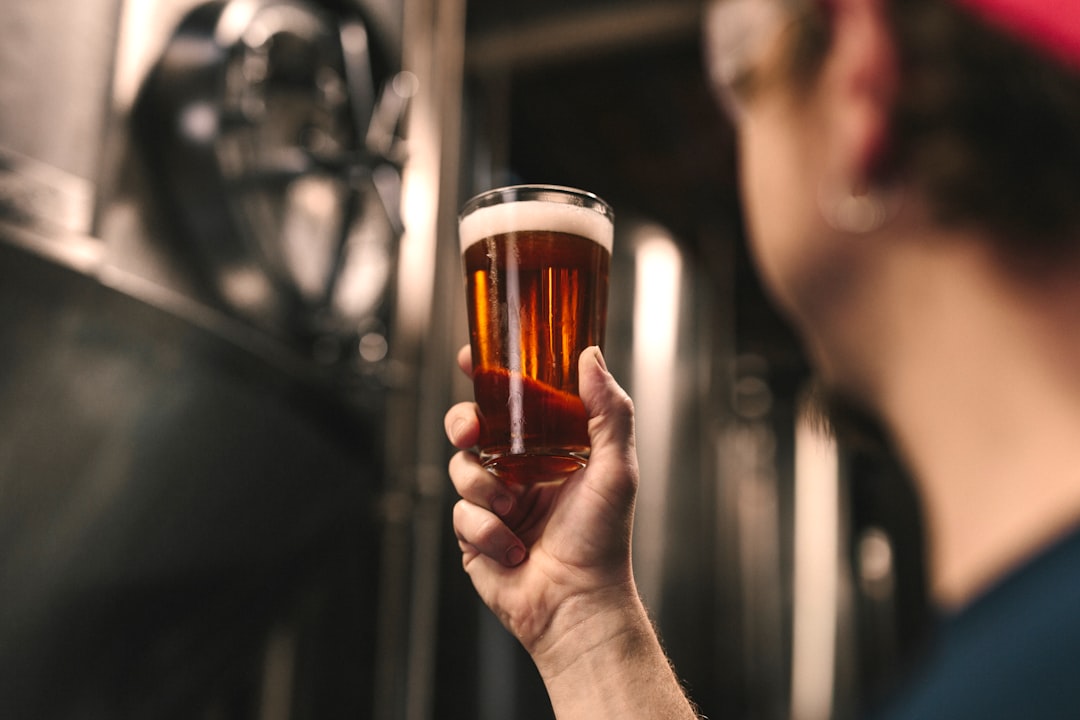
Across taprooms, brewpubs, and online storefronts, the latest craft beer trends are reshaping what drinkers reach for and how breweries operate. From hazy, hop-forward IPAs that prioritize aroma over bitterness to sustainability-driven practices and creative low-ABV options, the scene is vibrant and continually evolving. This article explores those trends in depth, why they matter, and how craft beer lovers—and businesses like Beer Republic—can navigate and enjoy them.
Why These Trends Matter
Trends in craft beer reflect more than just shifting flavor preferences: they reveal changes in consumer lifestyles, technology, and brewery economics. For enthusiasts and casual drinkers alike, understanding the latest craft beer trends helps in choosing beers that match taste, occasion, and values. For breweries and retailers, those trends inform product development, marketing, and distribution strategies.
Beer Republic, for example, curates an evolving catalog of American and Canadian craft beers to reflect what’s trending—making it easier for shoppers to sample new releases, seasonal specialties, and innovative styles with fast shipping and curated collections.
Trend 1: Evolution of the IPA — Hazy, Brut, and Beyond
IPAs remain the backbone of craft beer sales, but diversity within the style has exploded. The latest craft beer trends around IPAs include a move away from aggressive bitterness toward aroma, mouthfeel, and drinkability.
Hazy / New England IPAs (NEIPAs)
Characterized by a soft, pillowy mouthfeel and intense tropical or citrus hop aromas, NEIPAs prioritize suspended proteins and yeast to create haze and sweetness. Drinkers who once chased IBUs now chase juicy hop character and smooth finish.
Brut and Dry IPAs
Brut IPAs flip the script by fermenting to near-dryness, resulting in fizzy, champagne-like beers that are low in residual sugar. These appeal to customers seeking refreshing, low-body options that still carry hop-driven aromatics.
Milkshake and Pastry IPAs
On the opposite end, milkshake IPAs pile on oats, lactose, and vanilla to mimic dessert textures—part of a larger movement toward indulgent, experimental offerings. These are often limited releases that cater to collectors and tasting-room visitors.
Trend 2: Low-ABV, Session, and Non-Alcoholic Options
Health-conscious drinking and a desire for longer social sessions are fueling growth in low-alcohol and non-alcoholic beer. The latest craft beer trends show that quality matters: modern session ales and NA beers are crafted to retain flavor and complexity, not just mimic beer superficially.
Session Beers
Session beers typically sit under 5% ABV and are designed for sustained drinking without fatigue. They often emphasize balance, drinkability, and a lighter body—perfect for outdoor gatherings or long evenings sampling multiple beers.
Non-Alcoholic Craft Beer
Advances in dealcoholization and brewing techniques have produced NA beers with convincing hop aroma and malt complexity. These are becoming staples on menus and in retail, appealing to designated drivers, sober-curious consumers, and those wanting to pace their drinking.
Trend 3: Fruit-Forward, Sours, and Fermentation Play
Fruit additions, mixed fermentation, and souring techniques continue to be playgrounds for creativity. Rather than relying solely on hops, brewers are exploring tartness, funk, and bright fruit character.
Kettle Sours and Wild Fermentation
Kettle sours offer a faster, more controlled way to introduce acidity, while mixed-fermentation and barrel-aged sours deliver complexity and terroir—think lactic tangs layered with oak, vanilla, and oxidative notes.
Fresh Fruit and Botanical Additions
From classic cherries and raspberries to yuzu, elderflower, and hibiscus, fruit and botanicals add novel layers without masking base beer structure. These beers pair well with spicy or citrusy cuisine.
Trend 4: Barrel Aging, Funk, and Hybrid Styles
Barrel programs remain a badge of craftsmanship, with breweries combining barrels, yeast strains, and adjuncts to produce unique releases. The latest craft beer trends emphasize cross-pollination between beer and other alcohols—whiskey, wine, and even tequila barrels.
Barrel-Aged Stouts and Wild Ales
Imperial stouts aged in bourbon barrels continue to delight collectors with layers of dark chocolate, roast, and boozy warmth. On the flip side, funk-forward wild ales aged in wine barrels showcase oxidative and microbiological complexity.
Hybrid Beers
Hybrid styles—like braggot (beer-mead hybrids) or beers aged in barrels previously used for wine or mezcal—cater to adventurous palates and highlight a brewery’s experimental chops.
Trend 5: Sustainability, Local Sourcing, and Transparency
Sustainability has moved from a marketing buzzword to an operational imperative. Consumers increasingly expect breweries to reduce waste, conserve water, and source locally. The latest craft beer trends show breweries adopting circular practices and being transparent about ingredients and processes.
Water and Energy Efficiency
Breweries are investing in heat recovery systems, wastewater treatment, and efficient brewing equipment to reduce environmental footprint. These investments often translate into long-term cost savings as well.
Upcycling and Local Ingredients
From repurposing spent grain into baked goods to sourcing local hops and fruit, breweries emphasize community partnerships. These practices create stories consumers connect with and often improve freshness and flavor authenticity.
Trend 6: Packaging, Direct-to-Consumer, and E-Commerce
Packaging innovation and digital channels have become central to reaching customers. Cans remain dominant for craft beer packaging thanks to portability and light protection, while DTC (direct-to-consumer) sales and curated online stores are reshaping retail.
Cans, Collabs, and Limited Releases
Cans enable creative artwork and limited-run releases—often snapped up by fans. Collaborative projects between breweries or between breweries and chefs, musicians, or artists create buzz and drive traffic both in person and online.
Online Marketplaces and Fast Shipping
Customers increasingly buy craft beer online, especially when retailers offer reliable shipping and curated selections. Beer Republic’s platform, which features North American craft beers and fast delivery, is an example of how e-commerce simplifies discovering the latest craft beer trends.
Trend 7: Cross-Category Collaborations and Culinary Pairing
Beer’s reputation as a culinary companion has strengthened. Brewers collaborate with chefs, chocolatiers, and distillers to create beers that pair intentionally with food or include ingredients from other food categories.
Beer and Food Pairing
Restaurants and tasting events increasingly offer beer pairings that treat beer with the same culinary respect as wine. Rich stouts with braised meats, sour ales with salads, and citrus-forward IPAs with spicy cuisine have become standard pairings.
Collaborations with Other Producers
Cross-industry collaborations—such as beers brewed with local cheesemakers, bakeries, or coffee roasters—allow for unique flavor combinations and shared audiences. These projects also give breweries access to ingredients and expertise beyond the brewing world.
Trend 8: Technology, Data, and Brewing Precision
Technology is smoothing the path from recipe to pint. Automated systems, recipe management software, and data analytics help brewers maintain consistency, scale successfully, and predict consumer demand.
Recipe Control and Yeast Management
Modern labs and digital tooling enable precise yeast handling and fermentation control. This reduces batch variability and supports creative experimentation without sacrificing reliability.
Inventory and Demand Forecasting
Retailers and breweries use sales data and predictive analytics to avoid overproducing seasonal releases and to optimize inventory—meaning fewer sold-out disappointments and fresher beer on shelves.
Trend 9: Regional Identity and Terroir
Just as wine reflects regional terroir, more brewers are celebrating local ingredients and styles. The latest craft beer trends include a resurgence in regionally defined beers—styles that connect to local agriculture, water profile, and culture.
Local Hop Varieties and Grains
Growers and brewers collaborate to highlight region-specific hops and grains, fostering unique flavor profiles that can't be replicated elsewhere.
Storytelling and Place-Based Branding
Consumers respond to stories about provenance. Breweries that weave narrative—about the farm that grew the barley or the watershed supplying the water—create emotional connections and brand loyalty.
How Drinkers Can Explore the Latest Craft Beer Trends
For beer lovers wanting to stay current, a mix of curiosity and method helps. Here are practical ways to sample trends without breaking the bank.
- Start with a flight: Tasting flights let drinkers compare trends — a NEIPA next to a Brut IPA, or a kettle sour followed by a barrel-aged sour.
- Seek limited releases: Smaller releases often showcase innovation. Signing up for brewery newsletters or retailer alerts (including Beer Republic’s email list) helps buyers snap up special cans.
- Attend taproom events: Release parties, educational nights, and pairing dinners offer context and deeper appreciation of new styles.
- Join a community: Social media groups, local homebrew clubs, and beer festivals are great for discovering what’s trending regionally and nationally.
- Experiment at home: Try pairing trending beers with different foods or use them in recipes—stout in chili or sour ale in a vinaigrette can open new flavor doors.
Tips for Retailers and Breweries
To capitalize on the latest craft beer trends, retailers and breweries should balance novelty with consistency.
- Curate thoughtfully: Offer a rotation of trend-forward styles alongside reliable staples so customers can both explore and buy favorites.
- Educate staff: A knowledgeable salesperson can guide shoppers to trending styles that match tastes and occasions.
- Use limited drops strategically: Create excitement without exhausting customers by timing releases and teasing collaborations.
- Leverage data: Analyze sales and customer feedback to scale successful trends while pruning slow movers.
- Highlight sustainability: Communicate green efforts clearly—many consumers reward brands that align with their values.
Common Misconceptions About New Trends
With change comes confusion. Addressing misconceptions helps both consumers and businesses make smarter choices.
Trend Equals Fad
Not all trends are fleeting. While some styles (like extreme pastry stouts) may bounce in popularity, others—like low-ABV choices and sustainability—reflect deeper shifts in consumer behavior and are likely to persist.
Trendy Means Bitter
Some assume craft beer trends equal more bitterness. In reality, many current trends prioritize aroma, balance, and texture over sheer bitterness.
New Means Expensive
Innovative doesn't always mean high-priced. While barrel-aged and limited releases carry premiums, many trend-forward beers, like hazy IPAs or session ales, are priced competitively and designed for wider consumption.
Practical Examples of Trend-Forward Beers to Try
To make these trends tangible, here are style examples readers might look for—many of which can be found via curated online shops or local bottle shops.
- NEIPA: Soft, juicy, aromatic—seek one from a brewery renowned for hazy hop profiles.
- Brut IPA: Crisp, effervescent, and light—good for those who want hop aroma without sweetness or weight.
- Kettle Sour with Fruit: Bright, tart, and refreshing—pair with salads or tangy dishes.
- Barrel-Aged Imperial Stout: Rich, layered, and collectible—stores will often stock limited bottles for aging and cellaring.
- Non-Alcoholic IPA: Hoppy forward yet NA—ideal for social situations where alcohol is limited.
- Session Pale Ale: Balanced hops and malt under 5% ABV—an every-day companion.
How Beer Republic Fits Into These Trends
As a retailer specializing in American and Canadian craft beers, Beer Republic helps customers navigate the latest craft beer trends by curating selections across styles, offering fast shipping, and organizing collections that spotlight trending categories—hazy IPAs, sour ales, low-ABV beers, and barrel-aged releases. For enthusiasts who want to explore without hunting every new release locally, Beer Republic’s platform provides a convenient way to discover and sample what’s current.
For example, Beer Republic often features seasonal collections and limited releases, and their product pages typically include tasting notes and style descriptions to help buyers decide—an asset when trends create a crowded marketplace.
Predictions: What Comes Next?
While predicting the future is never guaranteed, current signals point to several ongoing directions:
- Mainstreaming of Low-ABV and NA: Improved quality and broader distribution will normalize these options in more venues.
- More Cross-Category Innovation: Expect additional hybrids and collaborations with industries like cider, spirits, and specialty coffee.
- Expanded Direct-to-Consumer Models: DTC sales and subscription services tailored to trending styles will continue to grow.
- Climate-Responsive Brewing: Water stewardship, ingredient substitution, and resilient supply chains will shape what ingredients breweries use.
- Regional Revival: Local identity and provenance will grow as marketing and consumer interest focus on place-based authenticity.
Tasting and Buying Guide: Practical Steps
For those ready to explore the latest craft beer trends, a pragmatic approach helps maximize enjoyment and value.
- Define intent: Are they sampling casually, collecting, or pairing with food? Intent guides purchase size and style choice.
- Start small: Purchase singles or 4-packs of trending styles before investing in large quantities.
- Read tasting notes: Look for aroma descriptors and suggested food pairings; these can clue drinkers into whether a beer will match their palate.
- Check freshness: Especially for hoppy beers, fresh packaging dates matter. Retailers that prioritize turnover often preserve flavor better.
- Join loyalty programs: Retailers and breweries often reward repeat buyers with early access to limited drops.
Case Study: A Hypothetical Launch Strategy for a Trendy New Beer
To illustrate how breweries can leverage current trends, consider a hypothetical brewery launching a limited-run Brut IPA with a twist—aged briefly on Chardonnay lees for mouthfeel. A smart strategy could include:
- Pre-launch teasers: Social content showing the brewing process and barrel selection to build anticipation.
- Small-batch release: A weekend release at the taproom with in-person tastings to capture early feedback.
- Collaboration: Partner with local vineyards for cross-promotion and authentic provenance storytelling.
- Retail rollout: Distribute limited quantities to curated retailers and online shops like Beer Republic to reach broader audiences.
- Follow-up content: Educate consumers on pairing and storage to extend engagement beyond the initial buzz.
"A trend becomes meaningful when it changes expectations—whether that’s expecting a hazy IPA to be approachable or a non-alcoholic beer to be genuinely flavorful." — Industry Tasting Panel
Final Thoughts
The latest craft beer trends reflect a maturing industry that balances innovation with accessibility. While some trends prioritize bold experimentation—barrel-aged hybrids and pastry-style stouts—others emphasize inclusivity and sustainability, such as low-ABV options and eco-conscious brewing. For drinkers, the landscape offers unprecedented variety; for breweries and retailers, it offers opportunities to connect with evolving consumer values.
Exploring these trends is part of the fun. Whether sampling a juicy NEIPA, trying a fruit-forward kettle sour, or adding non-alcoholic options to a shopping list, enthusiasts will find plenty to enjoy. Retailers like Beer Republic play a role in making those discoveries convenient, curated, and fast—helping customers stay current without the legwork.
Frequently Asked Questions
What’s driving the popularity of hazy IPAs?
Hazy IPAs emphasize hop aroma, juicy flavors, and a softer mouthfeel, which appeals to drinkers who prefer fruity hop character without intense bitterness. The style also lends itself to creative hop combinations and approachable drinking experiences.
Are non-alcoholic craft beers worth trying?
Yes. Advances in brewing and dealcoholization have produced NA beers that retain hop aroma and malt complexity. They’re worth trying for those seeking flavor with little to no alcohol, especially as many track the latest craft beer trends toward inclusivity and health-conscious options.
How can consumers tell if a beer is fresh?
Check the packaging date or "best by" date, especially for hoppy beers like IPAs. Freshness matters for hop-forward beers because volatile hop aromas fade over time. For sours and barrel-aged beers, freshness is less critical and some complexity can improve with short-term aging.
Will sustainability continue to influence craft beer?
Yes. Sustainability is becoming standard practice as consumers prioritize brands with environmental responsibility. Expect more breweries to implement water-saving measures, local sourcing, and waste-reduction programs.
How can someone keep up with the latest craft beer trends?
Follow brewery releases, join local tasting events, subscribe to curated retailers or newsletters (such as Beer Republic’s), and participate in online beer communities. Tasting widely and reading up on brewing techniques also helps contextualize new styles.
Summary
The latest craft beer trends span flavor innovation, healthier drinking options, sustainability, technological precision, and stronger regional identities. These shifts open doors for experimentation and broaden what "craft beer" means to different drinkers. By staying curious and using tools like curated retailers, tasting rooms, and community events, enthusiasts will continue to discover standout brews and meaningful experiences in the evolving craft beer landscape.
