
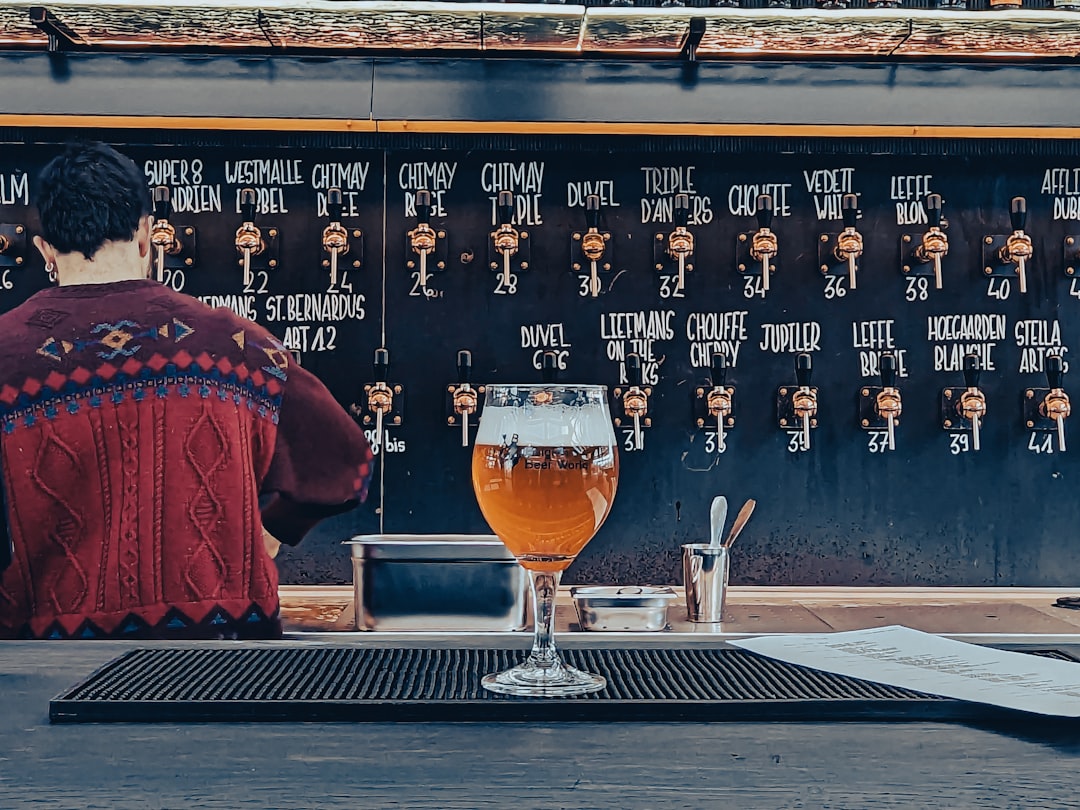
A glass of amber beer can tell a lifetime of stories — about ingredients, water chemistry, yeast personality, and the choices a brewer made. That’s why beer style characteristics matter: they help curious drinkers, homebrewers, and craft shoppers decode what’s in the glass, pick beers they’ll enjoy, and discover new favorites with confidence. This guide lays out the key traits that define beer styles, explains what to look (and sniff and sip) for, and offers practical tips for buying, serving, and pairing beers — with plenty of examples from American and Canadian craft scenes that Beer Republic often highlights.
Why Beer Style Characteristics Matter
Beer isn’t just “beer.” Styles give structure to flavor expectations. Knowing the typical characteristics of a style helps the reader choose a beer for mood, meal, or company. It also sharpens tasting skills, so they can say more than “I like it” or “I don’t.” For retailers like Beer Republic, clear style knowledge helps curate collections and match customers with the right picks — from sessionable pale ales to bold barrel-aged stouts.
The Core Elements That Define a Beer Style
At its most useful, thinking about beer style characteristics revolves around a few core elements. Each element interacts with the others to produce the final sensory experience.
Appearance
Appearance is the first, immediate clue. Color, clarity, and head all tell a story:
- Color: Measured historically by the SRM scale, color ranges from pale straw (2–4 SRM) to deep black (>40 SRM). A pale lager looks very different from a roasty stout.
- Clarity: Clear beers often indicate filtration or cold conditioning; hazy beers suggest yeast in suspension, proteins, or modern haze-forward techniques (e.g., NEIPAs).
- Head: Foam color, retention, and lacing reflect protein levels, hop oils, and carbonation — and they influence aroma delivery.
Aroma
Smell often determines like or dislike before the first sip. Aroma sources include:
- Hops: Citrus, pine, resin, floral, tropical fruit.
- Malts: Bready, biscuity, caramel, toffee, chocolate, coffee.
- Yeast: Fruity esters (banana, pear), spicy phenolics (clove, pepper), or clean lager fermentation.
- Adjuncts and aging: Coffee, vanilla, oak, lactose, fruit additions, or wild fermentation notes like barnyard and funk.
Flavor
Flavor is aroma plus taste — sweetness from malt, bitterness from hops, acidity, and subtle chemical impressions from fermentation. Typical descriptors include caramel, roasted coffee, citrus, resinous pine, tart berry, and lactic sourness.
Mouthfeel
Mouthfeel describes texture: thin vs. full-bodied, creamy vs. fizzy, heavily carbonated vs. soft. It shapes the perception of flavor — a full, creamy stout delivers flavor differently than a crisp pilsner.
Alcohol Strength (ABV)
Alcohol adds warmth and perceived sweetness. Session beers typically hover under 5% ABV, while imperial/robust styles often push past 8–10% ABV.
Bitterness (IBU)
IBU quantifies bittering compounds from hops, but perceived bitterness depends on malt balance. A 60 IBU West Coast IPA will feel very bitter in a drier beer, less so if big malts counterbalance it.
Carbonation
Carbonation influences aroma release and mouthfeel. Champagne-like effervescence suits lighter lagers, while softer carbonation enhances creamy stouts and barrel-aged beers.
Ingredients and Process
Grains (base malts, specialty malts), hop varieties and timing, yeast strain, water profile, mash schedule, and conditioning all produce characteristic signatures. For example, a pilsner uses pilsner malt and Saaz hops with clean lager yeast, while a Belgian tripel leans on pale malts, candi sugar, and an expressive Belgian yeast.
Major Beer Families and Their Style Characteristics
Below are the most common families drinkers encounter, with the defining beer style characteristics and real-world examples to guide a shopping or tasting decision.
Ales vs. Lagers: The First Big Split
Ales ferment with top-fermenting yeast at warmer temperatures, producing fruity esters and fuller bodies. Lagers ferment with bottom-fermenting yeast at cooler temperatures, yielding cleaner, crisper flavors. Many modern craft beers blur these lines, but it's still a useful starting point.
Pale Ale and India Pale Ale (IPA)
Pale ales and IPAs are hop-forward, but with differences:
- American Pale Ale: Moderate to strong hop aroma (citrus, pine), balanced malt backbone, moderate ABV (4.5–6.5%). Example: Sierra Nevada Pale Ale.
- American IPA: Strong hop presence, higher IBU and ABV (6–7.5%), clear to slightly hazy, flavors range from resinous pine to bright citrus and tropical fruit.
- New England IPA (NEIPA): Hazy, juicy, low perceived bitterness, soft mouthfeel, tropical and citrus hop aroma. Example: Heady Topper-inspired styles; many US/Canadian breweries supply NEIPAs that Beer Republic curates.
- Double/Imperial IPA: Bigger, boozier, intense hop bitterness and aroma, ABVs 8–10%+
Pale Lagers, Pilsners, and Helles
These are the benchmark for drinkability:
- Pilsner (Czech vs. German): Crisp, floral/peppery noble hop notes (Czech more rounded, German more noble/clean), pale straw color.
- American Light Lager: Very light body, mild malt, minimal hop bitterness — designed for mass appeal.
- Helles: Bavarian pale lager with soft malt sweetness, restrained noble hops, clean fermentation.
Darker Malty Ales: Amber, Brown, and Scotch Ales
- Amber / Red Ale: Toasty, caramel malts, moderate hop presence, medium body. Great intro to malt-forward beers.
- Brown Ale: Nutty, toasty, sometimes toffee and mild roast; English versions are more restrained, American versions may feature more hop character.
- Scotch Ale / Wee Heavy: Deep malt sweetness, caramel, dark fruit notes, higher ABV and full body.
Porters and Stouts
Both are dark and roasty, but they emphasize different roast levels and adjuncts:
- Porter: Chocolate and coffee notes are present but generally lighter roast and more malt-focused than stouts.
- Stout: Pronounced roasted barley, espresso, dryness or coffee-bitter finish. Styles range from dry Irish stouts (e.g., Guinness) to milk stouts (sweetened with lactose) and imperial stouts (big, high ABV, often barrel-aged).
- Barrel-Aged Stouts: Oak, vanilla, bourbon/rum notes; often blended or cellared — they make for collectible bottles.
Wheat Beers and Hefeweizen
Wheat beers often feel soft and refreshing, with yeast-driven notes:
- Hefeweizen: German wheat ale with banana and clove aromas, silky mouthfeel, pale and hazy.
- Belgian Witbier: Spicy coriander and orange peel, light body, very refreshing.
Belgian Ales and Farmhouse Styles
- Dubbel: Medium-strong, malty, dark fruit and caramel.
- Tripel: Golden, spicy, high ABV, with fruity esters and a dry finish.
- Saison: Farmhouse ale, peppery and fruity yeast character, often dry and effervescent; saisons can be versatile with spices and fruit.
Sours, Lambics, and Mixed Fermentations
Sour beers are a broad category defined by intentional acidity and wild fermentation.
- Lambic, Gueuze: Spontaneous fermentation using wild yeasts and bacteria; funky, tart, often aged in oak and blended (Gueuze).
- Fruited Sours: Fruit additions balance acidity — think tart cherry, raspberry, or peach.
- Brett and Mixed Ferments: Characterized by barnyard funk, leathery or earthy qualities, and complex acidity.
Specialty and Hybrid Styles
Modern craft brewing has created hybrids: rye IPAs, black IPAs (a.k.a. Cascadian Dark Ale), pastry stouts (very sweet, dessert-like), and more. These styles often combine characteristics — for example, a Black IPA features roasted malt notes layered over pine/citrus hops.
How to Taste Beer Like a Pro
Tasting is a skill, and practicing it regularly makes reading beer style characteristics easier. The reader doesn’t need a degree — just a few simple steps and good glassware.
- Look: Assess color, clarity, and head. Note whether it fits the expected look for the style.
- Swirl and Smell: Gently swirl to release volatile aromas, then take two or three quick sniffs and one deep inhale.
- First Sip: Take a small sip and let it coat the mouth. Notice sweetness, bitterness, and carbonation.
- Second Sip: Focus on mid-palate flavors and mouthfeel — is it thin, oily, silky?
- Finish: How long do flavors linger? Is there warming alcohol or a dry finish?
- Note and Compare: Jot quick descriptors. Comparing beers side-by-side helps sharpen the senses.
Using consistent language — “bready,” “stone-fruit,” “resinous,” “roasty” — makes tasting notes useful when shopping or discussing beers with friends or staff at Beer Republic.
Using Beer Style Characteristics to Shop Smart
When a craft shopper approaches Beer Republic or any curated shop, style knowledge turns browsing into targeted discovery:
- Know the vibe: Looking for something sessionable for a backyard afternoon? Seek lower ABV pale ales, pilsners, or witbiers.
- Hunt for novelty: For rarer experiences, explore barrel-aged stouts, sour blends, or limited-run NEIPAs.
- Use filters: Online retailers often let buyers filter by style, ABV, or flavor notes — a fast way to narrow options.
- Read staff picks and collections: Beer Republic curates collections (seasonal packs, regional showcases) that spotlight particular style characteristics, simplifying discovery.
For example, a customer wanting a hop forward but not blow-you-away beer could use Beer Republic’s filters to find an American Pale Ale or a low-IBU New England-style IPA. Someone chasing dessert beers might explore barrel-aged stouts or pastry stouts sold in 500–750 mL bottles for sharing.
Pairing Beer With Food: Match the Style Characteristics
Pairing follows two basic rules: either match intensity or contrast flavors in a complementary way.
- Match intensity: Delicate foods (oysters, sushi) pair well with pilsners and light wheat beers. Bold foods (BBQ, braised short ribs) stand up to imperial stouts and barleywines.
- Contrast: Acidic, citrus-driven IPAs cut through fatty dishes; tart sours refresh the palate between bites of rich cheeses.
Some specific suggestions:
- Pilsner with fried chicken — crisp and cleansing.
- NEIPA with spicy Indian food — fruity hops cool heat while providing flavor.
- Porter with chocolate desserts — chocolate and coffee notes echo each other.
- Belgian Tripel with creamy seafood pasta — spicy esters and dryness balance richness.
Serving, Storing, and Glassware Tips
Style characteristics are best appreciated when beers are stored and served correctly.
Serving Temperatures
- Pilsners, light lagers, and wheat beers: 38–45°F (3–7°C).
- Most ales (pale ales, IPAs): 45–50°F (7–10°C) — slightly warmer reveals hop aromatics.
- Malty beers, stouts, Belgian ales: 50–55°F (10–13°C) — lets complex aromas develop.
- Barrel-aged and strong ales: 55–60°F (13–16°C) — to release subtle oak and alcohol notes.
Glassware
Glass shape concentrates aromas and controls head. A tulip or snifter suits strong ales and stouts; a pilsner glass accentuates carbonation and clarity; a Weizen glass showcases wheat beer foam and banana/clove aromas.
Storage
- Keep beer cool and out of light to protect hop and malt freshness.
- Store beers upright to minimize oxidation risk and limit cork contact for corked bottles.
- For aging, cellar or a cool, dark spot at stable temperatures is best — many barrel-aged beers benefit from careful cellaring, while hoppy beers generally do not.
Beer Republic’s fast-shipping model helps ensure customers receive beers quickly and in good condition — particularly important for hop-forward styles and limited batches.
Brief Homebrewer’s Guide to Dialing in Style Characteristics
Homebrewers who want to replicate or experiment with style characteristics can focus on a few key levers:
- Malt Bill: Base malt sets body and fermentability. Specialty malts (caramel, chocolate, roasted barley) add color and distinct flavors.
- Mash Temperature: Higher mash temps (e.g., 154–158°F) yield more dextrins and fuller body; lower temps (146–150°F) produce a drier beer.
- Yeast Selection: A Belgian ale yeast produces spicy, fruity esters; a clean American ale yeast keeps flavors hop-forward.
- Hop Timing and Variety: Early hops = bitterness; late and dry-hopping = aroma and flavor. Choose hop varieties for their typical oil profiles (Citra for tropical fruit, Saaz for noble spice, Simcoe for pine/resin).
- Water Chemistry: Sulfate emphasizes hop sharpness; chloride enhances malt softness and fullness.
- Fermentation Temperature: Warmer ale ferments produce more esters; lagering cold-ferments away esters for a clean profile.
Common Misconceptions About Beer Style Characteristics
Craft beer has its myths. Addressing them helps readers make better choices:
- “All IPAs are bitter”: Not necessarily — NEIPAs emphasize juicy aroma and low perceived bitterness.
- “Darker equals stronger”: Color comes from roasted or caramel malts, not alcohol. Many dark beers are moderate in ABV.
- “IBU is everything”: Perceived bitterness interacts with malt sweetness. A 50 IBU beer with rich caramel malts will taste less bitter than the same IBU in a dry pale ale.
- “Craft beer is always experimental”: Many breweries still produce classic, well-balanced styles; experimentation complements, but doesn't replace, tradition.
Practical Examples: Finding Beers by Character at Beer Republic
To make this tangible, here are shopping scenarios and the style characteristics to prioritize — all within the kind of selection Beer Republic curates from the USA and Canada.
- Scenario: A sunny weekend BBQ — Look for low to moderate ABV, bright carbonation, and refreshing bitterness. Styles: American Pale Ale, Pilsner, Session IPA, Wheat Ale.
- Scenario: A cozy winter night with dessert — Seek full body, roasted or chocolate notes, and warming alcohol. Styles: Imperial Stout, Barrel-Aged Stout, Scotch Ale, Barleywine.
- Scenario: A dinner with exotic spices — Choose fruity, ester-driven beers that stand up to spice: Belgian Tripel, Saison, or aromatic NEIPA.
- Scenario: A tasting flight with friends — Mix a pale lager, an IPA, a brown ale, and a sour to highlight differences in appearance, aroma, flavor, and mouthfeel.
Beer Republic’s site helps shoppers identify these style characteristics via robust filters, curated collections, and staff picks. Their fast shipping means the hop-driven beers arrive fresh and the barrel-aged beauties arrive ready for cellaring or immediate enjoyment.
Trends Shaping Modern Style Characteristics
Craft brewing is dynamic, and several trends are reshaping how styles feel and are described.
- Haze and Softness: Hazy NEIPAs shifted expectations for mouthfeel and hop aroma, spawning juicier hoppy beers across categories.
- Barrel Aging and Blending: Greater interest in oak and spirit-aging has broadened flavor possibilities for stouts and sour ales.
- Local Ingredients and Terroir: Breweries experiment with local malts, hops, and wild yeast strains to create regionally distinct characteristics.
- Low-ABV and Alcohol-Free Options: Brewed to maintain style characteristics while reducing alcohol, expanding drinking occasions.
Putting It All Together: A Simple Workflow for Choosing and Enjoying Beer
- Start with the occasion — casual drink, pairing, celebration, or cellaring?
- Pick dominant characteristics — hoppy vs. malty, light vs. dark, tart vs. sweet.
- Use filters and collections — leverage Beer Republic’s site filters for style, ABV, and region.
- Buy a variety — small packs or singles are ideal for discovering what clicks.
- Serve right — appropriate temperature and glassware unlocks the beer’s full range.
- Note and repeat — jotting down impressions builds a personal reference for future purchases.
Conclusion
Understanding beer style characteristics transforms drinking into a richer, more intentional experience. Whether someone is browsing Beer Republic for the latest American IPA drop, exploring Canadian farmhouse ales, or trying a tart lambic for the first time, the core elements — appearance, aroma, flavor, mouthfeel, ABV, bitterness, and production methods — offer a roadmap. Used thoughtfully, these clues help shoppers select beers that fit the moment, taste more deeply, and discover new favorites with confidence. The beer world is big, but a few well-honed senses and the right filters make exploration a pleasure.
Frequently Asked Questions
What’s the difference between IBU and perceived bitterness?
IBU measures the concentration of bittering compounds in beer, but perceived bitterness depends on the beer’s malt sweetness, alcohol level, and carbonation. A beer with a high IBU can taste less bitter if it has a strong malt backbone, while a dry, pale beer with the same IBU will taste more sharply bitter.
How should different beer styles be served?
Serve lighter lagers and wheat beers colder (around 38–45°F), most ales slightly warmer (45–50°F), and malt-forward or barrel-aged beers warmer still (50–60°F) to release aromatics. Use shape-appropriate glassware: pilsner glasses for clarity and carbonation, tulips or snifters for aromatic or high-ABV beers, and pint or weizen glasses where style calls for it.
Are darker beers always higher in alcohol?
No. Color comes from roasted or caramel malts, not directly from alcohol. Many dark beers are moderate in ABV; however, some dark styles like imperial stouts or barleywines are indeed higher in alcohol because of their recipe and brewing intent.
How long do hop-forward beers stay fresh?
Hoppy beers are at their best within weeks to a few months of packaging, especially highly aromatic IPAs and NEIPAs. Hops degrade over time, losing aroma and turning stale. For the freshest hop character, buy and drink hoppy beers sooner rather than later; Beer Republic’s fast shipping helps with that.
Can someone learn to identify style characteristics quickly?
Yes. With regular tasting and comparison — trying a flight of four distinct styles, for instance — the reader will notice differences in aroma, bitterness, and mouthfeel. Keeping a short tasting notebook and using consistent descriptors accelerates learning. Visiting curated retailers, reading labels, and experimenting with pairings rounds out that education.
