
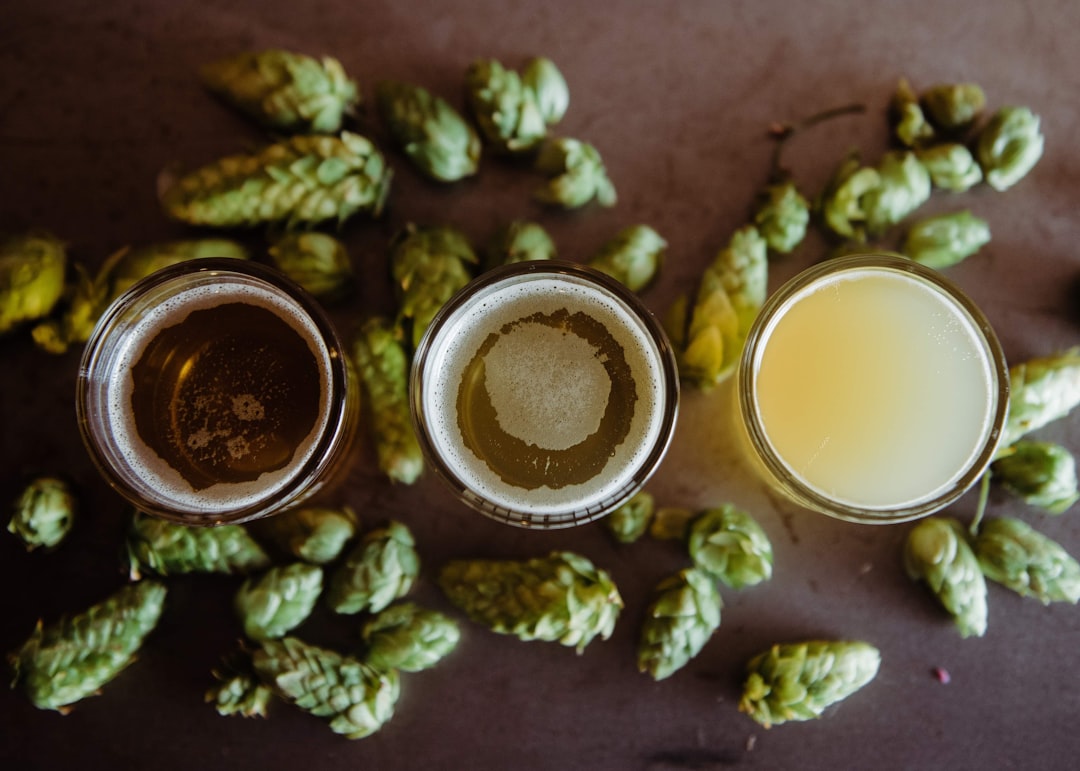
Homebrew beer styles are as varied and personal as the people who brew them. For a passionate homebrewer, understanding those styles — from the hopped-up fury of an American IPA to the mellow complexity of a Belgian dubbel — unlocks better recipes, tastier results, and more satisfying experiments. This guide walks through the essential categories, signature ingredients, technique tips, and practical recipes that help homebrewers make great beer and confidently explore new styles.
Why Styles Matter
Styles do more than give a beer a label. They capture expectations for color, bitterness, aroma, mouthfeel, fermentation character, and even serving temperature. When the homebrewer knows a style's typical parameters, they can make informed choices about grain bill, hop selection, yeast strain, water profile, and fermentation schedule. That knowledge makes reproducing a favorite beer or designing a variation far easier.
Many brewers also use commercial beers as benchmarks. A quick order from a retailer like Beer Republic to sample top-rated American and Canadian craft brews can be a practical research step — tasting reference beers sharpens a brewer’s sense of style boundaries and inspires new takeaways to try at the next brew day.
Big Picture: Ales vs. Lagers
All beer styles fall under two broad families: ales and lagers. That split is determined primarily by yeast and fermentation temperature.
- Ales use top-fermenting yeasts (Saccharomyces cerevisiae) and ferment warm — usually 60–75°F (15–24°C). They tend to show fruity and ester-driven character and include styles like IPAs, stouts, porters, and Belgian ales.
- Lagers use bottom-fermenting yeast (Saccharomyces pastorianus) and ferment cool — typically 45–55°F (7–13°C). Lagers are often cleaner, crisper, and emphasize malt and hop clarity; think Pilsners, Märzens, and Helles.
Understanding that split helps the homebrewer choose equipment (temperature control is more critical for lagers) and schedule brew cycles realistically.
Core Ingredients and How They Define Style
Every style results from interaction among four core ingredients: water, malt, hops, and yeast. Making deliberate choices with each turns a recipe into a recognizable style.
Water
Water is the largest component of beer and a powerful tool. Mineral content affects malt perception and hop bitterness.
- High sulfate (Burton profile) accentuates hop bite and dryness — great for IPAs and pale ales.
- High bicarbonate softens bitterness and supports darker malts — common in stouts and porters.
- Homebrewers should measure their tap water or use low-mineral reverse-osmosis (RO) water and rebuild profiles to match the desired style.
Malt
Malt provides fermentable sugars, color, body, and flavor. Base malts (Pilsner, Pale, Maris Otter) form the bulk; specialty malts (Crystal, Munich, Chocolate) add sweetness, biscuity notes, or roast.
- Light styles (Pilsner, Kölsch) rely on pale base malts and minimal specialty grains.
- Amber and brown styles use crystal and caramel malts for sweetness and color.
- Roasted malts or roasted barley create coffee and chocolate notes in stouts and porters.
Hops
Hops contribute bitterness, flavor, and aroma. Varieties and addition timing shape the hop character.
- Early additions in the boil increase bitterness (measured in IBUs).
- Late additions and dry hopping deliver aroma and flavor without much bitterness.
- American varieties (Cascade, Centennial, Citra, Mosaic) lend citrusy, tropical flavors typical of American IPAs; noble hops (Saaz, Hallertau) provide the spice and floral notes expected in European lagers and pilsners.
Yeast
Yeast is the wild card. It not only ferments sugars to alcohol and CO₂, but it also produces esters, phenols, and other fermentation-derived flavors.
- Ale yeasts (Wyeast 1056, White Labs WLP001, Safale US-05) tend to be clean or slightly fruity.
- Belgian strains produce banana, clove, and spicy phenolics that define Belgian triples and dubbels.
- Lager strains (Wyeast 2124, Saflager W-34/70) ferment cleanly at low temps for crisp lagers.
Classic Homebrew Beer Styles and How to Approach Them
This section covers the most popular styles homebrewers choose to make, plus practical tips for nailing each one. For each style, the guide mentions typical OG/FG, color, IBU range, yeast choices, and brewing tips.
American IPA
Overview: Hoppy, aromatic, medium-bodied beer with citrus, resin, and tropical fruit hop notes.
- OG/FG: 1.060–1.075 / 1.008–1.015
- IBUs: 40–70+
- Color: 6–14 SRM
- Yeast: Clean American ale strains (US-05, WLP001).
Tips: Emphasize late hop additions or dry hopping for aroma. Use a sulfate-forward water profile for a crisp hop bite. Cold crash and filter or fine-clarify if seeking a more transparent IPA.
Example 5-gallon recipe:
- 11 lb Pale Malt (2-row or Maris Otter)
- 1 lb Munich or Crystal 10L
- 1 oz Columbus (60 min)
- 1 oz Centennial (15 min)
- 2 oz Citra (whirlpool)
- 2-4 oz Citra/Mosaic (dry hop)
- Yeast: 1056 or US-05
Target OG: ~1.065
New England / Hazy IPA
Overview: Soft, juicy, and low-bitterness IPAs with a hazy appearance and strong tropical fruit hop aroma.
- OG/FG: 1.055–1.070 / 1.010–1.015
- IBUs: 20–40 (perceived bitterness low)
- Color: 5–8 SRM
- Yeast: English ale strains or specific NEIPA yeasts like Conan or London Ale III.
Tips: Use a higher proportion of oats (rolled oats or flaked oats) and wheat for mouthfeel, extreme late hopping, and minimal wort aeration before fermentation to keep the hop oils and haze intact. Mash at a slightly higher temperature (154–156°F) for a fuller body.
American Pale Ale (APA)
Overview: Balanced beer showcasing American hops without the intensity of an IPA.
- OG/FG: 1.045–1.060 / 1.010–1.014
- IBUs: 25–45
- Color: 5–10 SRM
- Yeast: Clean ale strains (US-05).
Tips: Good gateway brewing project. Focus on malt backbone and a few quality late hop additions to let the hop flavor shine without overpowering bitterness.
Stout (Dry, Milk, Imperial)
Overview: Stouts vary from dry and roasty (Irish) to sweet and creamy (milk stouts) to big and boozy (imperial stouts).
- OG/FG: 1.045–1.090 (varies by subtype)
- IBUs: 25–80
- Color: 30–40+ SRM
- Yeast: English ale strains; some prefer slightly warmer fermentation for fuller esters.
Tips: Use roasted barley and chocolate malt for coffee and cocoa notes. For milk stout add lactose (about 0.5–1 lb for 5 gallons) for sweetness. Consider aging imperial stouts on bourbon oak or blending to tame hot alcohol.
Porter
Overview: Dark but often lighter-bodied than stouts; chocolate and toffee are common flavors.
- OG/FG: 1.048–1.065
- IBUs: 18–40
- Color: 20–30 SRM
Tips: Balance roasted malts with caramel malts to avoid astringency. English-style porters benefit from English hops and yeast for a rounded finish.
Belgian Ales (Dubbel, Tripel, Saison)
Overview: Belgian styles are defined by distinctive yeast phenols and esters — think clove, banana, and pepper — plus complex malt or sugar use.
- Yeast: Belgian house strains (Wyeast 1214, WLP500).
- Saison tips: Ferment warmer and allow attenuation for a dry, peppery finish.
- Dubbel/Tripel tips: Use candi sugar or invert sugar in tripels for higher ABV and lighter body.
Brewers should pitch healthy yeast and expect higher fermentation temperatures to coax the signature flavors.
German Pilsner and Helles
Overview: Clean, crisp lagers. Pilsner has a more pronounced hop bite and noble hop character, while Helles is malt-forward and soft.
- OG/FG: 1.044–1.050
- IBUs: 18–35
- Yeast: Lager strains and extended cold conditioning (lagering).
Tips: Use Pilsner malt, soft water for Helles or slightly sulfated water for Pils. Cold fermentation and weeks of lagering at near-freezing temps are essential for clarity and crispness.
Wheat Beers (Hefeweizen, Witbier)
Overview: Yeast-forward beers with wheat-derived haze and bready flavors. Hefeweizens often show banana and clove; witbiers use coriander and orange peel.
- OG/FG: 1.044–1.055
- Yeast: Specialized wheat and Belgian yeasts.
Tips: Use at least 50% wheat malt for Hefeweizen. For witbier, include flaked wheat/oats and spice additions (1–2 oz coriander, zest of one orange per 5 gal).
Sours and Wild Ales
Overview: Sour beers use lactobacillus, pediococcus, and sometimes Brettanomyces to produce tartness and funky complexity. Styles include Berliner Weisse, Gose, Flanders Red, and Lambic blends.
Tips: Souring can be done quickly with kettle souring (lactobacillus in the kettle) or slowly through mixed fermentation and barrels. Sanitation and separate equipment are crucial to avoid infecting clean beers.
Barleywine
Overview: Big, malty, high-ABV beers that age well and often show caramel, toffee, and oxidized fruit notes over time.
- OG: 1.090–1.120+
- ABV: 10–12%+
Tips: Pitch a large, healthy yeast starter and consider staggered nutrient additions. Aging smooths harsh alcohol and integrates flavors; some brewers age in oak or on spirits for complexity.
Practical Brewing Process Overview
For brewers new to styles, a quick process overview shows how technique influences result:
- Recipe Design: Match grain, hops, and yeast to the style. Consider water adjustments.
- Mashing: Hold appropriate temperatures for fermentability and body — lower temps (148–152°F) for more attenuation and drier beers, higher temps (154–158°F) for fuller body.
- Boil: Conduct hop schedules and gravity reductions. Add late hops or whirlpool hops for aroma styles.
- Fermentation: Pitch an adequate yeast amount and maintain style-appropriate temps. For lagers, pitch cold or do a diacetyl rest after primary fermentation.
- Conditioning: Cold crash and clear or age as the style demands. Sours and high-ABV beers often require extended aging.
- Packaging: Bottle or keg. Use priming sugar for bottle carbonation or carbonate to target volumes on the keg.
Common Pitfalls and How To Avoid Them
- Poor yeast management: Under-pitching or using stressed yeast causes off-flavors and stuck fermentation. Make starter or rehydrate dry yeast appropriately.
- Temperature swings: Fermentation temps outside the yeast's ideal range produce undesirable esters and fusel alcohols — control temperature for consistency.
- Oxidation: Exposing beer to oxygen post-fermentation leads to stale, papery flavors. Minimize splashing when transferring and use CO₂ purging for kegs.
- Kettle sour contamination: If kettle-souring, thoroughly sanitize equipment before brewing non-sour beers on the same gear unless the brewer accepts cross-contamination risk.
Recipe Scaling and Consistency
Scaling a recipe up or down requires keeping the same percentage of each grain and hop based on original gravity. For hops, IBUs scale with wort gravity and final volume; using brewing software helps calculate correct additions. Consistency comes from controlled processes: measure water volumes, use the same mash schedule, and record fermentation curves. Keep a brewing log — the single best habit for dialing in styles.
Examples: 7 Practical Starter Recipes for Homebrewers
Here are approachable template recipes for seven popular styles. These give starting points; the brewer can tweak amounts or ingredients to suit local preferences or experimental aims.
1) American IPA (5 gal)
Grain:
- 11 lb 2-row
- 1 lb Munich
- 0.5 lb Crystal 10L

Hops:
- 1 oz Columbus (60 min)
- 1 oz Centennial (15 min)
- 2 oz Citra (whirlpool)
- 3 oz Citra/Mosaic (dry hop)

Yeast:
- Safale US-05 or WLP001

Expect OG: ~1.065, IBU: ~60
2) Hazy New England IPA (5 gal)
Grain:
- 9 lb Pale Malt
- 2 lb Flaked Oats
- 1 lb White Wheat
- 0.5 lb Carapils

Hops:
- Minimal bittering
- 4 oz Citra/Mosaic/El Dorado late and dry hop

Yeast:
- London Ale III or Conan
Mash: 154–156°F for fuller mouthfeel
3) American Pale Ale (5 gal)
Grain:
- 10 lb 2-row
- 1 lb Crystal 40L

Hops:
- 1 oz Cascade (60 min)
- 1 oz Centennial (15 min)
- 1 oz Cascade (flameout/dry hop)

Yeast:
- US-05
OG: ~1.052
4) Irish Dry Stout (5 gal)
Grain:
- 7 lb Pale Malt
- 1 lb Flaked Barley
- 1 lb Roasted Barley
- 0.5 lb Chocolate Malt

Hops:
- 1 oz East Kent Goldings (60 min)

Yeast:
- Irish Ale yeast (Wyeast 1084)
OG: ~1.048
5) Belgian Tripel (5 gal)
Grain:
- 12 lb Pilsner malt
- 1 lb Belgian candi sugar

Hops:
- Saaz or Styrian Goldings small bittering + noble late

Yeast:
- Belgian Tripel yeast (WLP530 or Wyeast 3787)
Ferment warm for yeast character; expect high attenuation
6) German Pilsner (5 gal)
Grain:
- 11 lb Pilsner malt
- 0.5 lb Munich or Carapils

Hops:
- Saaz or Hallertau hops (bittering and late)
Yeast:
- Lager strain (W-34/70)
Lager 2–6 weeks at near-freezing temps
7) Berliner Weisse (Kettle Sour) (5 gal)
Grain:
- 5 lb Pilsner malt
- 5 lb Wheat malt

Kettle sour:
- Heat wort to 110°F and pitch lactobacillus 18–48 hrs pH ~3.5, then boil and finish with noble hops small bittering.

Yeast:
- Clean ale after boiling
Serve low ABV, tart and refreshing
Packaging, Carbonation, and Serving
Carbonation level affects perception of flavor and mouthfeel. Typical carbonation volumes (CO₂) by style:
- German Pilsner: 2.5–3.0 vols
- Belgian Tripel: 2.6–3.0 vols
- Stout: 1.8–2.5 vols (milk stout lower, nitro lower)
- IPAs: 2.2–2.6 vols
- Sours and wheat: 2.5–3.0 vols
Bottlers can prime with sugar (approx. 3/4 cup corn sugar for 5 gallons but calculate precisely) or use force carbonation when kegging. Nitro setups require specialized taps and keg fittings for a cascading mouthfeel found in many stouts.
Exploration and Experimentation
Once the homebrewer masters a few core styles, experimentation becomes the real joy. Ideas to try:
- Single-hop experiments: brew identical base beers with different hops to taste differences.
- Oak aging: toast levels and barrel chips add vanilla, coconut, and tannin complexity.
- Fruit additions: add fruit secondary or in-fermentation for sour and fruited ales.
- Hybrid styles: try a lager-fermented IPA for clean hop presentation or a sour IPA for a novel profile.
Using Commercial Beers as Benchmarks
Sipping commercially made beers helps homebrewers set targets. Beer Republic’s selection of top-rated American and Canadian craft beers can be a resource for sampling. When tasting, the homebrewer should evaluate aroma, bitterness, sweetness, body, carbonation, and any off-notes. Recording these impressions makes it easier to reproduce or improve upon the character in a homebrew recipe.
Competitions and Style Guidelines
If the brewer plans to enter competitions, familiarizing themselves with BJCP (Beer Judge Certification Program) style guidelines is essential. Those guidelines provide objective ranges for gravity, bitterness, color, and sensory descriptors. Even casual brewers benefit from those parameters when designing a beer intended to represent a specific style.
Advanced Topics: Mixed Fermentation, Barrel Aging, and Hybrid Techniques
Advanced brewers often explore mixed fermentation (Brett + bacteria) and barrel aging. These techniques require patience and a tolerance for complexity — microbes can take months or years to develop desired flavors. Sanitation, separate wooden or stainless vessels, and detailed tracking are vital. Barrel aging introduces oxidation and tannins, so brewers must plan blending and monitor development closely.
Where Brewers Can Find Ingredients and Inspiration
Good ingredients matter. Local homebrew shops and online retailers stock malts, yeast, hops, and specialized adjuncts. For inspiration, Beer Republic’s curated selections and collections can serve as tasting references. Ordering a few styles through their fast-shipping platform lets a brewer taste regional trends and new hop-forward releases — an easy way to generate recipe ideas and refine style expectations.
Final Tips for Getting Better, Faster
- Keep a log: Record every detail — temps, times, volumes, and tasting notes.
- Control fermentation: Temperature control is the single most important factor in consistency.
- Use fresh ingredients: Hops lose aroma over a year; yeast viability matters.
- Taste often: Sample at different stages to understand development.
- Share and get feedback: Trade bottles with friends or join a local homebrew club.
Conclusion
Exploring homebrew beer styles is as rewarding as it is endless. By learning how ingredients and techniques shape flavor, mastering a handful of classic styles, and using commercial beers as benchmarks, the homebrewer builds a toolkit for confident experimentation. Whether they’re chasing the hop haze of a New England IPA, the clean snap of a German Pilsner, or the rich complexity of an imperial stout, attention to water, grain, hops, and yeast — plus careful fermentation control — delivers consistently better beer.
For inspiration and reference tasting, craft beer retailers like Beer Republic are valuable: sampling top-rated American and Canadian beers helps brewers internalize style boundaries and spot trends to try at their next brew day. With practice and curiosity, the homebrewer will convert guidelines into signature beers that reflect both style and creativity.
Frequently Asked Questions
What are the easiest homebrew beer styles for beginners?
American Pale Ales, IPAs (with simple hop schedules), brown ales, and basic stouts are excellent starting points. They tolerate minor process mistakes, use straightforward ingredients, and teach key skills like yeast pitching and hop timing. Wheat ales and some Belgian ales can be approachable too, but watch fermentation temperatures for yeast-driven flavors.
How important is water chemistry for homebrew styles?
Very. Water minerals influence perceived bitterness, malt sweetness, and mouthfeel. While many brewers can make great beer with their tap water or bottled spring water, adjusting profiles — raising sulfates for hop-forward beers or boosting bicarbonate for dark malts — refines style accuracy. Testing tap water and using brewing calculators helps a lot.
Can a homebrewer make lagers without a dedicated fridge?
It’s tougher but possible. Traditional lagers need cool and steady temperatures. Some brewers use swamp coolers, temperature controllers with chest freezers, or lagering in late fall/winter when ambient temps are low. For true lager character, investing in a temperature-controlled fermenter or converted fridge pays off.
How does yeast choice affect beer style?
Yeast contributes hugely. It affects attenuation (how dry a beer finishes), ester and phenol production (fruit or spice notes), and flocculation (clarity). Choosing strain-character that matches the style — a clean American ale for hop clarity, a Belgian strain for spicy fruitiness, or a lager strain for neutral fermentation — is essential.
Where can brewers find reliable style references and commercial examples?
BJCP style guidelines are the go-to for formal definitions. For tasting reference, craft beer shops and online retailers offer convenient access to top-rated bottles and cans. Retailers like Beer Republic curate American and Canadian selections, making it easy for brewers to compare finished commercial beers to their own brews and draw inspiration for recipes.
