
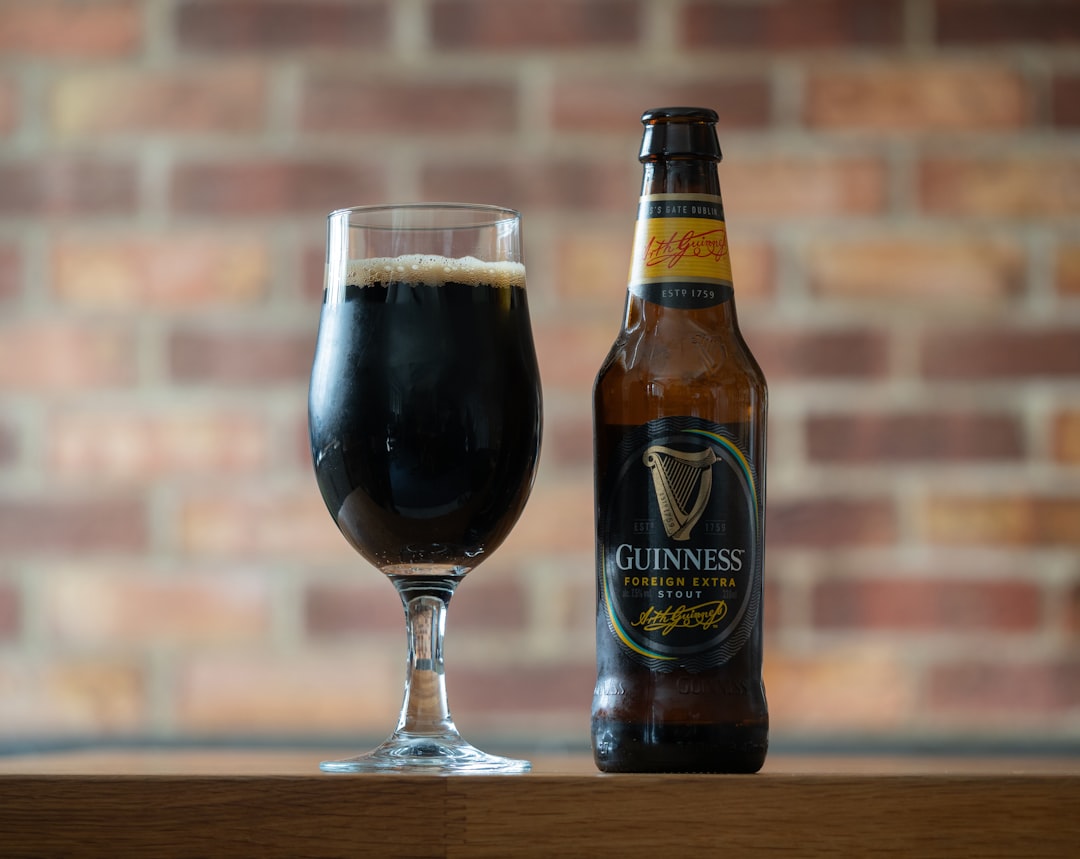
A citrusy New England IPA cutting through a bowl of spicy shrimp tacos, or a roasty imperial stout rounding out a chocolate tart — those are the moments that make eating with beer memorable. This guide presents clear, practical tips for beer pairing that help craft beer enthusiasts and casual drinkers alike discover combinations that enhance both glass and plate.
Why Beer Pairing Matters
Beer isn't just a casual companion to food; it's a flavor instrument. With a broader palette than many expect — from bright acidity and floral hops to caramel malts and earthy phenolics — beer can lift, contrast, or harmonize with dishes in ways wine sometimes can't. For readers who enjoy exploring American and Canadian craft beers, learning pairing principles unlocks new experiences and helps them get the most out of every bottle or can.
Core Principles Behind Successful Pairings
Pairing beer with food is both art and science. The following foundational principles give the reader a reliable framework to experiment confidently.
Match Intensity
Strong flavors demand strong beers; delicate dishes pair best with lighter brews. A bold, barrel-aged stout will overwhelm a simple green salad, while a pilsner will feel lost next to smoked brisket. Think of intensity as the volume of flavor — aim to balance, not compete.
Seek Complement or Contrast
- Complement: Pair like with like — a malty amber ale with roasted pork brings similar toasty and caramel notes together.
- Contrast: Use beer to create tension — a bright, hoppy IPA cuts through rich, fatty foods like fried chicken, refreshing the palate.
Consider Sweetness and Bitterness
Sweetness in food can soften a beer's bitterness, while bitter beers can make sweet dishes seem cloying. For spicy food, slightly sweet beers (like milk stouts or fruity sours) soothe heat; high-IBU IPAs can intensify it. IBU refers to International Bitterness Units, a rough gauge of perceived bitterness.
Mind Carbonation and Mouthfeel
Carbonation lifts flavors and cleanses the palate between bites. Lighter, fizzy beers (pilsners, saisons) are excellent with fried foods; low-carbonation, fuller-bodied beers (stouts, porters) are cozy with dense dishes like stews.
Think About Temperature and Serving Style
Serving temperature influences flavor perception. Chill lagers colder for crispness; serve stouts and strong ales a touch warmer to showcase aromatics. Glassware matters too — a tulip glass concentrates aroma while a pint glass is sturdy and unfussy.
Common Beer Styles and Reliable Pairings
Next, the guide explores popular craft styles with pairing suggestions and explanations. These actionable combinations make it easy for the reader to experiment at home or search Beer Republic’s selection for similar beers.
Lagers and Pilsners
Profile: Clean, crisp, and often dry with moderate bitterness.
- Pair with: Sushi and sashimi, grilled seafood, light salads, mild cheeses, and fried chicken.
- Why: High carbonation and crisp bitterness refresh the palate and highlight delicate seafood flavors.
- Try: A Czech-style or German pilsner with lemon-marinated fish tacos keeps things bright and balanced.
Pale Ales and Blonde Ales
Profile: Balanced malt backbone with moderate hop character; approachable.
- Pair with: Burgers, pizza with herb-forward toppings, roasted vegetables, and grilled sausages.
- Why: They bridge malt and hop-forward dishes, complementing both savory and slightly sweet components.
India Pale Ales (IPAs)
Profile: Pronounced hop bitterness and aromas — citrus, resin, pine, or tropical fruit depending on style.
- Pair with: Spicy Thai or Mexican food, blue cheese, buffalo wings, sharp cheddar.
- Why: Hops’ bitterness and aromatics cut through fat and spice, refreshing the palate between bites.
- Tip: For heavy hop bitterness, pair with bold, high-fat dishes. For fruity, low-bitterness NEIPAs, try curry or tangy BBQ to harmonize fruit notes.
Amber and Red Ales
Profile: Caramel and toasty malts, moderate hop presence.
- Pair with: Roasted poultry, pork chops, grilled root vegetables, and nutty cheeses.
- Why: The subtle sweetness complements roasted flavors without overpowering them.
Brown Ales and English-Style Ales
Profile: Nutty, toasty, sometimes toffee-like malt notes; low hop intensity.
- Pair with: Mushroom dishes, braised meats, caramelized onion tart, and peanut butter desserts.
- Why: Earthy malt character pairs naturally with umami and savory-sweet combinations.
Porters and Stouts
Profile: Dark roasted flavors — coffee, chocolate, roasted nuts; stouts cover a range including milk stouts and imperial variants.
- Pair with: Oysters (surprising but excellent), grilled steak, chocolate desserts, and smoked brisket.
- Why: Roasted notes complement charred meat, and stout’s creaminess balances rich chocolate or salty oysters.
- Tip: Milk stouts (lactose added) work well with spicy food because their sweetness calms heat.
Sours and Wild Ales
Profile: Tart, acidic, sometimes funky with fruit-forward varieties.
- Pair with: Ceviche, goat cheese, fruit tarts, and vinaigrette-based salads.
- Why: Acidity in beer brightens seafood and cuts through fattier cheeses; fruit sours make for playful dessert pairings.
Belgian Ales (Saison, Dubbel, Tripel)
Profile: Spicy phenolics, esters (banana, clove), and complex malt/honey notes.
- Pair with: Roasted root vegetables, mussels, spicy sausages, and fruity desserts.
- Why: The complex aromatics of Belgian beers stand up to herbs and spice, while their fruity esters complement honeyed or caramelized flavors.
Wheat Beers and Hefeweizen
Profile: Bready and citrusy, often with clove and banana esters in hefeweizens.
- Pair with: Soft cheeses, salads with citrus vinaigrette, light seafood, and breakfast-style dishes like eggs Benedict.
- Why: Soft carbonation and citrus notes brighten light, fresh dishes without overwhelming them.
Advanced Tips and Techniques
For enthusiasts wanting to elevate pairing skills beyond basic matches, these advanced tips provide deeper insight and creative prompts.
Pair by Ingredient, Not Just Dish
Focusing on dominant ingredients helps refine choices. For example, a dish with citrus and herbs will pair differently than the same meat glazed in maple. Identify the most assertive flavor (acid, fat, spice, sweetness) and match the beer to address that element.
Use the Palate-Cleanser Principle
High-acidity or highly carbonated beers refresh between bites. During a multi-course meal, include a sparkling lager or sour to reset the palate — especially after fatty or heavily spiced courses.
Try Layered Pairings
Layer flavors by choosing a beer that shifts over the course of a meal. A saison may open peppery and dry, then reveal citrus, pairing well across a course that moves from herb-roasted chicken to lemony dessert.
Experiment with Temperature Contrasts
Cold beer with warm food creates pleasing contrast. A cold pilsner with hot fried fish amplifies textural differences and highlights crispness.
Balance Salt and Bitterness
Salt magnifies a beer’s aroma and can make bitterness less sharp, which makes salty snacks an ideal match for many hoppy beers. That’s why IPAs and salty nuts or crisps are classic partners.
Consider Cultural Matches
Traditional cuisines often evolved with local brews in mind. For example, Belgian beers and Belgian-style dishes share flavor DNA; similarly, German lagers pair naturally with wurst and sauerkraut.
Pairing for Specific Occasions
Pairing choices change depending on the occasion. Below are practical suggestions tailored to social settings that readers will commonly encounter.
Backyard BBQ
- Grilled burger or steak: Robust amber ale or a balanced porter.
- Smoked brisket: Imperial stout or barleywine for richness.
- Grilled vegetables: American pale ale or saison to highlight char and herbs.
Pizza Night
Classic pepperoni pizza pairs well with a crisp lager to cut grease, while a margherita shines with a light, hoppy pale ale that accentuates basil and tomato tang.
Date Night at Home
Choose beers that elevate the meal without overwhelming conversation. A smooth Belgian dubbel with roast chicken feels special without being pretentious; pair a creamy chocolate mousse with a roasty imperial stout for a decadent finish.
Casual Game Night
Finger foods and variety demand flexible beers: session IPAs, light lagers, or hazy pales keep the mood lively and won’t fatigue palates over the night.
Cheese and Beer: A Short Guide
Cheese pairing receives particular attention from beer lovers because both share complex flavors. Here are quick, reliable matches:
- Cheddar: IPA or amber ale
- Goat cheese: Gose or citrusy wheat beer
- Blue cheese: Robust stout or barleywine
- Brie/Camembert: Saison or Belgian dubbel
- Smoked cheeses: Brown ale or porter
Principle: mirror intensity and seek complementary aromatics (e.g., fruity esters with bloomy rinds, roast with smoked cheeses).
Vegetarian and Vegan Pairings
Plant-based dishes rely on balancing texture and umami. For hearty mushroom or lentil dishes, brown ales and porters provide satisfying roastiness. Bright vegetable curries pair well with hoppy saisons or fruity NEIPAs to lift herbal notes.
Practical Shopping and Hosting Tips
For readers who shop online or plan events, a few practical considerations make pairing easier and more successful.
Build a Diverse Home Fridge
Keep an array of base styles on hand: a crisp lager, a pale ale, an IPA, a malty amber, a porter or stout, a sour, and a Belgian-style. That small selection covers most pairing scenarios.
Label and Note-Take
When trying pairings, jot quick notes — what worked, what didn’t, and why. Over time a personalized pairing guide tailored to one’s taste naturally develops.
Host a Pairing Flight
- Choose three beers that vary by intensity or flavor profile.
- Serve small “tasting bites” alongside each to test interactions.
- Encourage guests to compare how the same bite changes with each beer.
Use Beer Republic as a Resource
For those searching for a wide range of craft options, Beer Republic’s online selection of top-rated American and Canadian beers makes sourcing styles easy. Their curated collections and fast shipping help hosts assemble tasting flights without long brewery hunts. Looking for a punchy West Coast IPA, a smooth New England haze, or a velvety imperial stout? Beer Republic’s inventory provides an efficient starting point for assembling thoughtful pairings.
Common Pairing Mistakes to Avoid
Readers experimenting with pairings will benefit from avoiding a few frequent missteps.
- Overlooking intensity — pairing delicate fish with a heavy barleywine rarely succeeds.
- Mismatching sweetness and bitterness — extremely bitter beers with very sweet desserts can clash.
- Serving at wrong temperatures — a chilled stout can mute complex aromas; a warm lager becomes flabby.
- Ignoring aromatics — hop-forward beers’ aromas impact perception as much as taste.
Breaking the Rules: Surprising Matches That Often Work
Pairing rules exist to guide, not dictate. Here are a few unconventional combos that routinely delight:
- Stout with oysters — the briny sweetness and roasted malt create a classic contrast.
- IPA with dark chocolate — hop aromatics accentuate cocoa’s fruit and floral notes.
- Sour beer with fried chicken — acidity cuts fat and brightens spices.
- Hazy IPA with creamy curry — fruity esters complement coconut and spice.
How to Taste Beer Like a Pairing Pro
Developing a sensitive palate improves pairing decisions. A short tasting ritual helps:
- Smell deeply — identify hops, malt, yeast esters, and other aromatics.
- Take a small sip and let it coat the mouth — note carbonation, sweetness, bitterness, and body.
- Take a bite of food, then sip the beer — notice changes in flavor intensity and balance.
- Swap the order — sip first, then bite — to observe how perception shifts.
Practical Pairing Cheat Sheet
For quick reference, this compact cheat sheet helps the reader choose a beer fast.
- Spicy food: Slightly sweet beers (milk stouts, fruit-forward sours) or crisp lagers.
- Fried food: Crisp, effervescent lagers or pilsners.
- Smoked meats: Robust porters, smoked beers, or barrel-aged stouts.
- Cheese platters: Offer a pale ale, a saison, a porter, and a sour to cover a broad spectrum.
- Seafood: Pilsners, wheat beers, and lighter saison styles.
- Chocolate desserts: Porters, imperial stouts, or sweet sours for contrast.
Building a Beer-Pairing Menu: Step-by-Step
Planning a multi-course meal? The following steps make the process manageable and fun.
- Pick a theme or cuisine (e.g., Latin, BBQ, comfort food).
- Choose 3–5 beer styles that will work across courses.
- Match the beers to courses by intensity and character.
- Include palate cleansers (a crisp lager or citrusy sour) between rich courses.
- Label each beer at the party and offer tasting notes so guests can learn while they eat.
Final Thoughts on Pairing
Learning tips for beer pairing transforms meals into adventures. The reader will find that thoughtful matches reveal new dimensions in both food and beer. Pairing is flexible: rules guide but experimentation teaches. Whether assembling a flight from Beer Republic’s curated selections or mixing bottles from local breweries, the goal is discovery and enjoyment.
Frequently Asked Questions
What’s the easiest beer style to pair for someone just starting?
Amber ales and pale ales are the most forgiving. They have balanced malt and hop profiles that work with a wide range of foods, from burgers and pizza to roasted vegetables.
Can the same beer pair with multiple courses?
Yes. Some versatile beers — saisons, pale ales, and light lagers — can comfortably accompany several courses because of their balanced profiles. To span an entire meal, choose beers that evolve in aroma and flavor as the meal progresses.
How should beers be served for optimal pairing?
Serve lagers and pilsners colder (around 38–45°F), and ales slightly warmer (45–55°F). Strong, complex beers like imperial stouts or barleywines do well at cellar-like temperatures (55–60°F) to release aromatics. Use appropriate glassware when possible to concentrate aromas.
Are there beers that never pair well with food?
Not really. Even highly experimental or intensely bitter beers can have food matches if the right contrast or complement is found. The challenge is finding a balance; for extremely bitter or intensely funky beers, simpler, bolder foods often work best.
Where can readers find a wide selection of craft beers for pairing experiments?
Specialty retailers and curated online shops are great sources. Beer Republic, for instance, offers a large selection of American and Canadian craft beers, easy browsing by style, and fast shipping — which makes assembling a tasting flight or themed pairing menu much simpler.
Summary: Mastering beer pairing starts with understanding intensity, balance, and contrast. By learning core principles, experimenting across styles, and keeping a diverse home fridge, craft beer lovers can elevate everyday meals. Use the tips above as a foundation, take notes, and encourage playful experimentation — the best pairings often come from curious trial and tasty accidents.
