
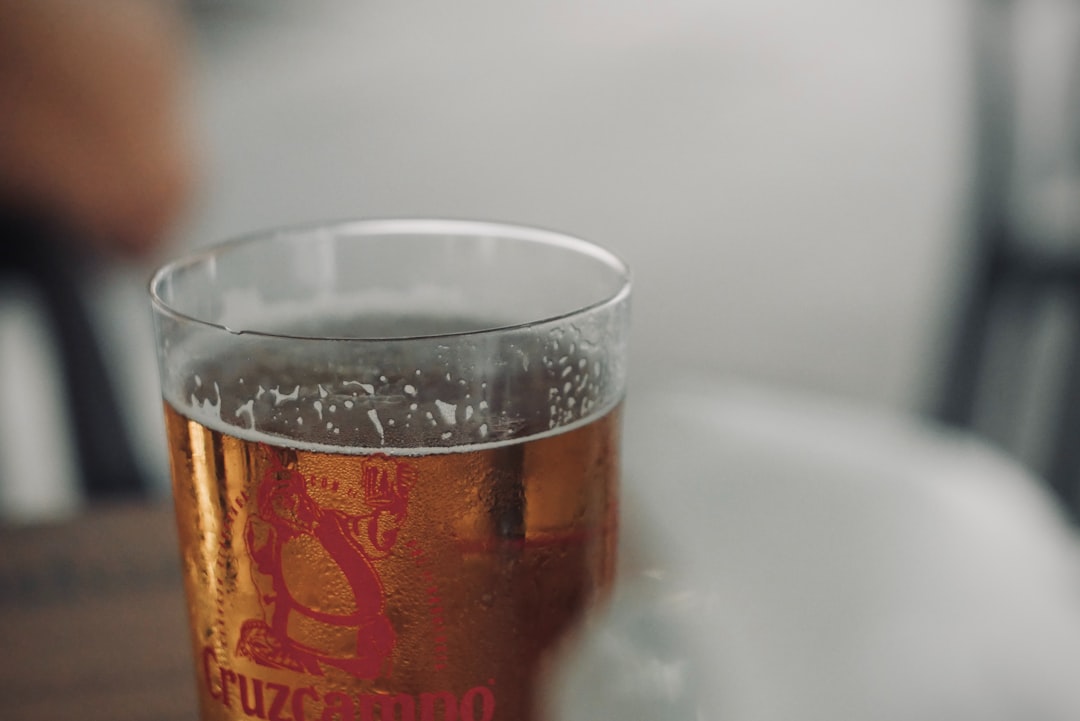
Start tasting beers with a clean glass and a clear goal: notice one flavor at a time. These beer tasting tips guide craft lovers through practical steps—what to prepare, how to taste, how to compare styles, and how to host memorable tastings. Whether readers are curious novices or experienced tasters refining their palate, the article offers actionable advice and examples that make every sip more meaningful.
Why Beer Tasting Matters
Beer tasting is more than judging whether a brew is "good" or "bad." It's a way to explore craftsmanship, regional brewing approaches, and the interplay of ingredients. For craft beer fans, tasting builds vocabulary (aromas, mouthfeel, finish), helps identify favorite styles, and improves appreciation for techniques like dry hopping, barrel-aging, or kettle souring. When done intentionally, tasting transforms casual drinking into an engaging, sensory experience.
Essential Tools and Setup
Preparation sets the stage for accurate tasting. The right environment and tools help tasters focus on aroma, flavor, and texture rather than distractions.
Glassware
- Use clean glasses: Residual detergent or oils mask aromas and affect head retention.
- Choose the right shape: A tulip or snifter concentrates aroma for strong ales and stouts; a pilsner glass highlights carbonation and clarity in lagers; a tulip or goblet works for Belgian styles. If only one glass is available, a wine glass is a versatile option.
Serving Temperature
Temperature reveals different notes. Serving too cold mutes flavors; serving too warm exaggerates alcohol and volatility.
- Light lagers and pilsners: 38–45°F (3–7°C)
- Hoppy pale ales and IPAs: 45–50°F (7–10°C)
- Amber ales, stouts, porters: 50–55°F (10–13°C)
- Strong, barrel-aged beers: 55–60°F (13–16°C)
Tasters will get more aromatic detail by letting a beer warm a few degrees if it arrives too cold.
Palate Prep
- Neutral palate: Avoid strong foods, coffee, or smoking before tasting.
- Water and mild crackers: Water hydrates and crackers reset the palate between samples.
- Note-taking tools: A notebook or tasting template helps track impressions and compare beers later.
Lighting and Environment
Natural light or neutral white lighting allows tasters to assess color and clarity. A quiet setting reduces distractions and helps tasters focus on subtle aromatics and flavors.
How to Choose and Order Beers for a Tasting
Picking the right lineup is as important as the tasting technique. A thoughtful order reveals contrasts and clarifies differences between styles.
General Rules for Tasting Order
- Start light and low-alcohol, move to more intensely flavored and higher ABV beers.
- Hop-forward beers before malt-forward ones, because bitterness can numb the palate.
- Save sour and wild-fermented beers for the end or serve them in a separate flight—acidity lingers.
Flights to Build
Here are sample flight ideas that reveal specific contrasts:
- Hop Showcase: Session IPA → West Coast IPA → New England IPA (compare bitterness, aroma, and mouthfeel).
- Malt Journey: Pale Ale → Amber Ale → Brown Ale → Oatmeal Stout (observe caramel, toasty, and roasty notes).
- Sour Exploration: Berliner Weisse → Gose → Fruited Sour (notice acidity, salinity, fruit clarity).
- Barrel and Age: Young stout → Barrel-aged stout → Vintage bottle (track oxidation, vanilla, oak).
Retailers like Beer Republic often curate tasting packs and themed collections that make it easy to assemble flights—an efficient way for enthusiasts to explore regional breweries or trending styles without hunting down single bottles.
The Four Steps of Tasting: Look, Smell, Taste, Feel
Breaking tasting into four deliberate steps helps tasters form consistent, useful impressions.
1. Look
Appearance provides the first clues: color, clarity, and head retention.
- Color: Pale straw to deep black indicates malt profile and roasting level.
- Clarity: Clear suggests filtered beer; haze can be intentional (as in NEIPAs) or from suspended yeast/proteins.
- Head: Thick, lasting foam often signals higher protein content and good carbonation; lacing on the glass shows body and mouthfeel.
2. Smell (Nosing)
Aroma is central to flavor perception—up to 80% of taste is influenced by smell.
- Take a gentle sniff first, then a deeper inhale. Identify dominant families: citrus, pine, tropical fruit, caramel, chocolate, roast, lactic, funk.
- Note hop character (citrus vs resinous), yeast esters (banana, clove), and fermentation byproducts (phenolic funk, Brettanomyces tang).
- Watch for off-aromas that signal flaws: musty (oxidation), papery (staling), solvent-like (diacetyl sometimes smells like butter but in excess is a flaw), or sour from unintended infection.
3. Taste
Take a small sip and let it coat the mouth. Move through front, middle, and back palate observations.
- Front palate: Initial sweetness, hop bite, carbonation snap.
- Mid-palate: Malt complexity, hop flavor, and balance become more evident.
- Finish: Bitter hop aftertaste, lingering sweetness, roast, or acidic tang.
Note how flavors evolve. A beer might present bright citrus up front and finish with resinous bitterness. Also observe the balance between bitterness (IBU) and malt sweetness.
4. Feel (Mouthfeel and Finish)
Mouthfeel includes body, carbonation, and texture. Finish describes how a beer's flavors linger.
- Body: Light, medium, full. Ingredients like oats and wheat increase viscosity.
- Carbonation: Tingling lively bubbles vs creamy, low-carbonation texture (as in nitro stouts).
- Finish length: Short and crisp or long and complex. Notice if any unpleasant aftertastes remain.
Describing Flavors and Building a Vocabulary
A consistent tasting vocabulary helps tasters communicate. A few practical tips:
- Use families first: Floral, fruity, citrus, resinous, caramel, toasted, roasted, earthy, spicy, dairy, lactic, oxidative.
- Compare to food: "Ripe pineapple," "burnt toffee," "brown sugar," "espresso grounds." Food metaphors make descriptions relatable.
- Note intensity: Light, moderate, strong. That helps judge whether a flavor dominates or plays a supporting role.
Reference tools like the BJCP aroma/flavor guidelines or the Beer Flavor Wheel can be helpful—start with a few reliable descriptors and expand over time.
Recognizing Off-Flavors
Understanding common faults helps tasters distinguish between intentional characteristics and flaws caused by storage, packaging, or brewing errors.
- Oxidation: Cardboard/papery notes and muted hop aroma. Often results from old beer or poor storage.
- Lightstruck (skunky): Skunky, sulfurous aroma—caused by UV light exposure; brown bottles protect better than clear or green.
- Diacetyl: Buttery or butterscotch flavors—small amounts are sometimes acceptable in certain styles, but in excess it's a flaw.
- Infections: Unintended sourness, phenolic varnish, or solvent-like smells indicate bacterial or wild yeast contamination.
- Acetaldehyde: Green apple or grassy notes, often associated with young or under-conditioned beer.
Practical Beer Tasting Tips for Different Styles
Different styles reward different attention. Here are practical cues for popular craft categories:
IPAs and Hoppy Beers
- Focus on hop aroma: citrus, resin, tropical fruit, or pine.
- Note bitterness vs hop flavor: some IPAs are intensely bitter, others emphasize juicy hop aroma with softer bitterness (NEIPA).
- Assess mouthfeel: juicy/soft vs dry and crisp.
Stouts and Porters
- Look for roast character: coffee, dark chocolate, espresso.
- Check for sweetness from lactose or residual sugars in milk stouts.
- Consider body and creaminess—nitro stouts are silky; imperial stouts are often viscous and warming.
Sour and Wild Beers
- Differentiate intentional acid profiles: lactic (clean, yogurt-like) vs acetic (vinegary) and Brett funk (leathery, barnyard).
- Fruit additions should complement acidity, not mask it.
- Sour beers often pair well with dessert or salty snacks.
Lagers and Pilsners
- Look for clarity, crispness, and delicate malt balance.
- Assess hop bitterness in pilsners—noble hop floral/spicy tones are common.
- Cold serving temperatures highlight carbonation and crisp finish, so brief warming helps reveal subtle malt and hop aromas.
Scoring, Notes, and Tasting Sheets
Keeping records helps taste memory and refines preferences. Simple frameworks work best for home tasters.
Simple Scoring Template
- Appearance (0–5): Color, clarity, head.
- Aroma (0–10): Intensity and descriptors.
- Flavor (0–10): Balance, complexity, accuracy for style.
- Mouthfeel (0–5): Body, carbonation, texture.
- Overall (0–5): Enjoyment and drinkability.
Record ABV, IBU, brewery, and any food pairing notes. Over time, these notes reveal patterns—what hops, malts, or yeast profiles someone prefers.
Food Pairing Tips for Tastings
Pairing food with beer adds another dimension to tastings. Simple rules of thumb help create complementary combinations.
- Match intensity: Light beers with light dishes, robust beers with hearty fare.
- Balance flavors: Hoppy beers cut through fatty, fried foods; malty beers complement roasted meats.
- Contrast: Sour beers pair brilliantly with fatty or salty foods—acidity cleanses the palate.
- Sweet and boozy: Imperial stouts with chocolate desserts or blue cheese create luxurious contrasts.
For casual tastings, simple snacks—cheddar, pretzels, dark chocolate, cured meats—provide a variety of pairings without overwhelming the palate.
Hosting a Craft Beer Tasting at Home or Events
Organizing a tasting is a chance to share discoveries. Thoughtful pacing and structure make events memorable and educational.
Plan and Communicate
- Send a theme: "West Coast IPAs" or "Canadian Microbrews," which helps tasters know what to expect.
- Provide a tasting order and encourage note-taking.
- Recommend a responsible serving size: 3–4 oz per sample and water between pours to avoid palate fatigue and excess intoxication.
Blind Tasting Ideas
Blind tastings sharpen sensory skills. Cover labels or use numbered sample cups and have tasters guess style, ABV range, or region. Scoring and group discussion reveal how perceptions vary between tasters.
Games and Engagement
- Style-matching contests: Match beer to style descriptions.
- Flavor bingo: Create cards with flavor terms—tick off as they’re detected.
- Pairing challenge: Bring small food samples and vote on best matches.
Logistics and Supply
Retailers with broad craft selections and fast shipping—like Beer Republic—are practical partners for hosts. They make sourcing flight-ready beers simple with curated packs, themed collections, and reliable delivery for last-minute additions.
Common Mistakes to Avoid
Even enthusiastic tasters make predictable errors. Avoid these to get the most out of every flight:
- Drinking too quickly: Rushing reduces the chance to notice evolving flavors; pace tastings and take breaks.
- Poor glassware or dirty glasses: Residue kills head and aroma—rinse glasses in cold water before use.
- Wrong serving temperature: Ice-cold beers hide delicate aromatics; let them warm slightly if needed.
- Neglecting palate cleansing: Strong foods or coffee before tasting skew results—use water and mild crackers instead.
- Mixing many styles at once: Serving sours and high-IBU beers together can muddle perceptions—separate flights by type.
Advanced Tips for Serious Tasters
For those taking their tasting to the next level, a few advanced techniques refine sensory acuity.
Micro-Warming
Let beers warm a few degrees in the glass to reveal hidden aromatics. For stouts and barrel-aged beers, a slightly warmer temperature unlocks complex vanilla, oak, and oxidation notes.
Swirling and Nosing Tricks
- Swirl to increase volatility and reveal subtler aromatics, but avoid vigorous agitation that drives off delicate esters.
- Alternate short, shallow sniffs and long, deep inhales to pick up topnotes and base notes.
Blending
Some advanced tasters experiment with small amounts of different beers to create custom flavors—typically with sours and barrel-aged beers. Blending requires restraint; start with small ratios and adjust.
Aging and Cellaring
Certain styles—imperial stouts, barleywines, some Belgian styles—develop desirable flavors with age. Keep them in a dark, cool place and log tasting impressions over months to years. Beer Republic’s selection of barrel-aged and vintage bottles can provide a starting point for cellaring experiments.
Quick Reference Checklist: A Practical Cheat-Sheet
- Clean glass, correct shape for style.
- Serve at recommended temperature.
- Order beers from light to bold; keep sours separate.
- Four-step tasting: Look, Smell, Taste, Feel.
- Use water and crackers to cleanse palate between pours.
- Note-taking: appearance, aroma, flavor, mouthfeel, finish.
- Discuss and compare—group insights reveal new details.
Making the Most of Online Retailers for Tasting Sessions
For many craft fans, curating a tasting means sourcing beers from multiple breweries. Online retailers specializing in American and Canadian craft brews simplify planning:
- Curated packs and seasonal collections let tasters sample trends—like hazy IPAs or spring saisons—without buying full cases.
- Fast shipping ensures freshness and supports last-minute tasting plans.
- Detailed product pages with brewer notes and ABV/IBU info aid in designing balanced flights.
Beer Republic, for instance, offers a broad selection spanning ales, lagers, stouts, and IPAs, and the site’s collections can serve as inspiration for themed tastings or mixed flights.
Examples: Sample Tasting Menus
Here are three practical tasting menus for different goals.
Beginner’s Exploration (5 beers)
- American Light Lager (clean, crisp)
- American Pale Ale (balanced malt/hops)
- New England IPA (juicy, soft bitterness)
- Brown Ale (toasty, caramel notes)
- Milk Stout (roast and sweetness)
Hop-Focused Comparison (4 beers)
- Session IPA (low bitterness, aromatic)
- West Coast IPA (pine, resinous bitterness)
- New England IPA (tropical, soft mouthfeel)
- Double/Imperial IPA (intense aroma and ABV)
Barrel-Age & Dessert Pairing (3 beers)
- Barrel-aged brown (oak, vanilla)
- Imperial stout (molasses, espresso)
- Barrel-aged sour (tartness and tannic oak)
Practical Examples and Notes From Tastings
Real-world tasting observations help translate theory into practice. Here are a few concise examples based on typical craft beer profiles:
- A mangy-seeming NEIPA with a soft, pillowy head often reveals mango and papaya aromatics but a surprisingly low bitterness—tasters might call it "juicy." If hop aroma seems muted, the beer may be over-filtered or past prime.
- An imperial stout that smells of dark chocolate, bourbon barrel, and dried fig at 55°F will often show more alcohol warmth and complex vanilla on the finish—letting it warm a few degrees enhances those notes.
- A saison poured into a tulip glass with short nosing often reveals peppery yeast esters and farmhouse funk; pairing it with chèvre or roasted chicken highlights both the yeast character and citrusy hop lifts.
Conclusion
Beer tasting is a skill that rewards curiosity and practice. These beer tasting tips equip craft enthusiasts with the tools and techniques to taste deliberately: use clean glassware, serve at the right temperature, follow the Look-Smell-Taste-Feel steps, and structure flights to highlight contrasts. Keeping notes, recognizing off-flavors, and experimenting with pairings deepen appreciation. For those sourcing bottles, retailers with wide craft selections and fast shipping—such as Beer Republic—make putting together thoughtful tastings easy and convenient.
Over time, tasters will notice patterns in what they enjoy—certain hop families, malt profiles, or regional styles—and those preferences make each new discovery more satisfying. Whether hosting a backyard tasting or comparing single pours at home, these methods help every sip become an opportunity to learn and enjoy.
Frequently Asked Questions
How many beers should be in a tasting flight?
A practical flight contains 4–6 beers. That range offers variety without overwhelming the palate. For more intense styles (high ABV or very sour), limit flights to 3–4 and reduce sample sizes.
Is it OK to taste beers chilled straight from the fridge?
Serving beers cold is common, but letting them warm a few degrees in the glass can reveal aroma and flavor details—especially for ales, stouts, and barrel-aged beers. Light lagers benefit from colder temps to show crispness.
What's the best glass to use if only one is available?
A wine glass or a tulip-shaped glass is the most versatile single option. It concentrates aromatics while accommodating carbonation and head. If hosting, offering style-appropriate glasses enhances the experience.
How should beers be stored before a tasting?
Store beers upright in a cool, dark place to minimize oxidation and infection risk. Avoid prolonged exposure to light and temperature swings. For long-term cellaring, a consistent 50–55°F (10–13°C) is ideal for many aging beers.
Can tasting notes be objective?
Some aspects—color, ABV, and presence of certain off-flavors—are objective, but sensory perception has subjective elements. Clear descriptors and a standardized scoring template improve consistency, and group tastings help calibrate subjective impressions.
