
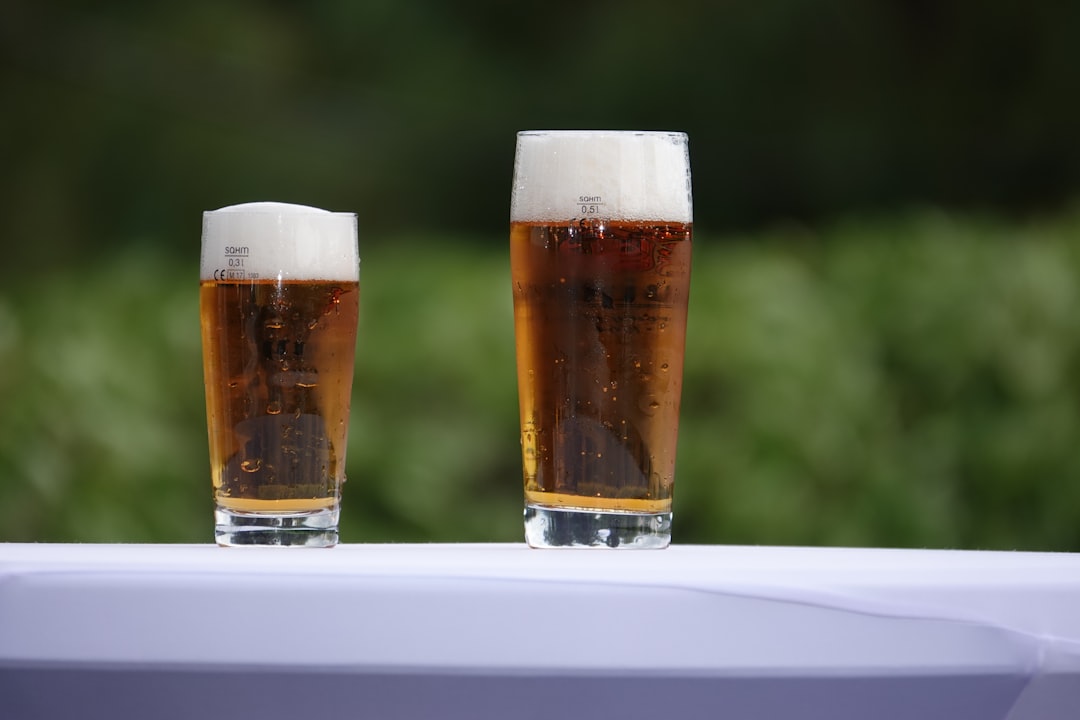
The most important thing to know about lager vs ale differences is that they start with different yeasts and end up as very different drinking experiences — even when they share the same basic ingredients. For craft beer lovers and casual drinkers alike, understanding those differences unlocks better shopping, smarter pairing, and more satisfying tastings. This guide explains how lagers and ales diverge, why it matters, and how enthusiasts can spot, brew, and enjoy each style.
The Fundamental Difference: Yeast and Fermentation
Yeast Is the First Split
Beer begins with four core ingredients — water, malted grain, hops, and yeast. The yeast decides whether a beer will be categorized as a lager or an ale.
- Ale yeast: Most ales use Saccharomyces cerevisiae, a top-fermenting yeast that works at warmer temperatures and tends to rise to the surface during fermentation. It produces fruity esters and, in some styles, spicy phenols.
- Lager yeast: Lagers use Saccharomyces pastorianus (sometimes called S. carlsbergensis historically), a bottom-fermenting yeast that thrives at cooler temperatures and produces a cleaner, crisper profile with fewer fruity esters.
Fermentation Temperature Matters
Temperature shapes flavor as much as yeast type does. Ales typically ferment between 60–72°F (15–22°C). Those warmer temps speed yeast activity and increase ester and phenol production, creating fruity, sometimes spicy notes. Lagers ferments much colder — around 45–55°F (7–13°C) — which slows the yeast and suppresses many byproducts that would otherwise add fruity character. That cold regime produces the clean, smooth flavors associated with lagers.
What Is Lagering?
Lagering is the cold storage period after primary fermentation where beer matures and flavors mellow. Traditionally, lagers were stored for weeks to months at near-freezing temperatures. This process reduces unwanted compounds (like excess diacetyl) and clarifies the beer. The result is a polished beer with a refined mouthfeel and bright presentation. Many modern craft lagers still embrace extended lagering, even if not as long as historical practices demanded.
Flavor, Aroma, and Mouthfeel: What to Expect
Esters, Phenols, and Clean Fermentation
Ale drinkers will notice more pronounced fruity and spicy aromas. Esters can evoke apple, pear, banana, or tropical fruit depending on the yeast strain and fermentation conditions. Belgian ale yeasts often produce phenolic notes — think clove or pepper — that define many traditional Belgian styles. Lagers, by contrast, tend to be more restrained and let malt and hop character take center stage. The absence of strong esters makes delicate hop aromas and crisp malt sweetness more noticeable.
Malt, Hops, and Balance
Lagers often emphasize a clean malt backbone — biscuit, bread, or slightly sweet cracker notes — with hop bitterness kept moderate unless the style calls for otherwise (like a Bohemian Pilsner's assertive noble hop bitterness). Ales run the gamut: pale ales and IPAs push hop flavor and aroma forward, while brown ales and stouts bring caramel, roast, and chocolate malt layers. The interplay of malt and hops in ales often rides alongside the yeast-derived flavors, creating complex, punchy profiles.
Carbonation, Body, and Finish
Lagers are typically medium to highly carbonated, which accentuates their crispness and makes them refreshing. Many ales have lower to moderate carbonation and a fuller mouthfeel, though there are plenty of exceptions. The finish of a lager tends to be clean and dry; ales can finish clean or leave lingering hop bitterness, malt sweetness, or yeast-driven spice.
Common Styles: Popular Lagers and Ales
Popular Lager Styles
- Pilsner (Bohemian & German): Light to golden color, distinct noble hop bitterness (especially Czech Pils), and a crisp, clean finish.
- Helles: A German pale lager with a softer hop presence, malt-forward with gentle bready sweetness.
- Vienna Lager: Amber hue, toasty or biscuity malt character, moderate hop balance.
- Dark Lager (Dunkel/Schwarzbier): Darker malts with notes of caramel and toast, but often smoother and less roasted than stouts or porters.
- American Light/Standard Lagers: Often very pale, light-bodied, and highly carbonated. Many mass-market lagers are in this family, but craft brewers also make flavorful takes on lighter lagers.
Popular Ale Styles
- Pale Ale / American Pale Ale (APA): Balanced malt with noticeable hop aroma and flavor — citrus, pine, resin — without the high bitterness of an IPA.
- India Pale Ale (IPA): Hop-forward with strong bitterness, aroma, and flavor — modern IPAs explore tropical fruit, citrus, resin, or dank notes.
- Amber/Red Ale: Malt-forward with caramel and toffee notes balanced by moderate hops.
- Brown Ale: Nutty, toasty, caramel flavors with moderate bitterness and a smooth finish.
- Stout and Porter: Dark, roasted malt character with coffee, chocolate, and sometimes smoky notes; stouts can be dry, sweet, or even barrel-aged and complex.
- Belgian Styles (Dubbel, Tripel, Saison): Often complex, with fruity esters, spicy phenolics, and layered malt and sugar influences.
Appearance and Serving: How to Present and Enjoy
Pouring and Glassware
Glass choice helps showcase aroma, carbonation, and head retention. Here are practical pairings:
- Pilsner Glass: Tall and slender to show color and carbonation — ideal for pilsners and light lagers.
- Tulip or IPA Glass: Curved to concentrate hop aromas — great for pale ales, IPAs, and aromatic ales.
- Nonic or Pint Glass: Versatile for ales like stouts, brown ales, and many session beers.
- Snifter: Best for strong ales and barrel-aged beers to concentrate aroma.
Serving Temperatures
Temperature affects flavor perception. A general guide helps:
- Light Lagers: Serve colder, around 38–45°F (3–7°C) — highlights crispness and refreshment.
- Pilsners & Helles: Slightly warmer than light lagers, 40–48°F (4–9°C), to let subtle malt and noble hops sing.
- Most Ales (APA, IPA, Amber): Serve 45–55°F (7–13°C) — balancing hop expression and malt complexity.
- Robust Ales & Stouts: 50–55°F (10–13°C) for richer aroma and smoother mouthfeel.
Food Pairings: Matching Flavors
Lager Pairings
Lagers’ clean profile makes them versatile with food:
- Grilled seafood or fish tacos — the crispness cleanses the palate.
- Pizza and burgers — especially Vienna or amber lagers that bring a touch of toast and sweetness.
- Spicy cuisine (Thai, Mexican) — cold lagers soothe heat without clashing.
Ale Pairings
Ales often stand up to bolder flavors:
- IPAs with spicy, fatty, or tangy foods like buffalo wings or blue cheese — hops cut richness.
- Brown ales with roasted meats or barbecue — complements caramelized flavors.
- Stouts with chocolate desserts, oysters, or smoked meats — their roastiness pairs spectacularly.
Brewing Differences: What Homebrewers Should Know
Why Lagers Are Viewed as More Challenging
Lagers demand tighter temperature control, longer lagers, and careful yeast management. That doesn't mean they're out of reach for hobbyists — modern refrigeration and improved yeast strains have made lagers far more accessible — but patience and precision matter.
Key Steps for Successful Lagers
- Pitch enough healthy yeast — lagers often need larger cell counts or a starter to ensure clean fermentation.
- Ferment cool and steady — avoid temperature swings that provoke off-flavors.
- Include a diacetyl rest near the end of fermentation: raise fermentation temperature a few degrees for a day or two to allow yeast to clean up buttery diacetyl compounds.
- Lager cold-conditioning — keep beer cold (close to freezing) for several weeks to clarify and mellow flavor.
Easier Wins With Ales
Ales ferment fast and are forgiving with simpler setups. Many beginners find ales gratifying because they require less time and fewer specialized tools. Experimenting with different ale yeasts, hop varieties, and malt bills quickly teaches how yeast and ingredients change a beer’s personality.
Hybrid Techniques and Innovations
Craft brewers and homebrewers innovate constantly. Examples include:
- Kölsch-style ales: Top-fermenting yeast fermented cold to create a clean, lager-like finish.
- Cold IPA: Techniques borrowed from lagering that produce crisp, hop-focused beers.
- Warm-fermented lagers: Using hybrid lager strains that tolerate higher temps for faster turnaround while retaining some lager characteristics.
How to Choose: Shopping, Tasting, and Exploring
Tasting Strategy
When exploring lager vs ale differences, an intentional tasting helps. A blind side-by-side of a pilsner and a pale ale highlights key contrasts: yeast character, hop prominence, carbonation, and finish. Drinkers should note aroma first, then flavor, then mouthfeel and aftertaste.
Shopping Tips for Craft Beer Enthusiasts
- Read style descriptions; they’ll often call out brewing method and yeast.
- Check ABV and IBU (bitterness) as guides to body and hop presence.
- Look at the brewer’s notes — many craft breweries explain whether a beer is lagered, what yeast strain was used, and special conditioning methods.
Beer Republic is useful for this stage. Their curated collections make it easy to sort by style, origin, bitterness, and other traits, and the site highlights top-rated USA and Canadian lagers and ales. Fast shipping helps enthusiasts try new drops quickly — great for sampling limited releases or seasonal lagers and hop-forward ales side-by-side.
Common Misconceptions About Lager and Ale
"Lagers Are Boring"
That used to be a fair stereotype when mass-market light lagers dominated shelves. Today’s craft lagers — from crisp American versions to characterful Czech and German styles — showcase nuance, malt craftsmanship, and precise hop work. A well-made lager can be as interesting as an elaborate IPA, though in a subtler way.
"All Ales Are Bitter and Hoppy"
Ales range from delicately balanced bitters to hop-bomb IPAs. Many traditional ales (brown ale, mild, porter) prioritize malt richness over hop pungency. It's better to think of ales as a broad umbrella encompassing a huge range of flavor priorities.
"Ale vs Lager Means ABV or Strength"
There’s no inherent ABV rule tied to yeast type. Strong beers can be either lager or ale (e.g., Doppelbock lagers or barleywine ales). Strength comes from recipe intent and fermentable sugars, not merely yeast choice.
How to Tell a Lager From an Ale at the Bar
When a label doesn’t say, drinkers can use cues:
- Clarity: Many lagers are very clear due to cold conditioning; many ales are hazier, especially modern hazy IPAs. This isn't definitive — some lagers are intentionally hazy and some ales are crystal clear.
- Aroma: Prominent fruity esters suggest ale yeast. Clean, crisp malt and restrained fruitiness usually point to a lager.
- Carbonation and Mouthfeel: High carbonation and a snappy finish often indicate lager. Softer carbonation and rounder mouthfeel can suggest ale.
Practical Examples From North American Craft Brewing
North American craft brewers have embraced both families. A few trends noteworthy for enthusiasts:
- Craft Lagers: Many small breweries now release pilsners, helles, and Vienna lagers that showcase regional malts and hop varieties. These are often brewed with the same care and complexity as small-batch ales.
- Hop-Forward Ales: The IPA movement reshaped ale expectations, pushing experimentation with hop varieties, dry-hopping techniques, and new flavor profiles (fruity, resinous, dank).
- Cross-Pollination: Brewers borrow lager techniques for ales (e.g., cold-conditioning IPAs) and adapt ale yeast behavior in lagers for novel styles.
Beer Republic highlights both sides of this spectrum, curating collections of crisp craft lagers and hop-driven ales from across the USA and Canada. These curated selections make it easy for enthusiasts to taste the contrasts and discover breweries that excel with either family.
"A good lager is a brewed masterpiece of patience; a great ale is a showcase of creative yeast and hops." — Anonymous Brewer
Tips for Enjoying Both Worlds
- Build a tasting flight: A trio of a pilsner, an American pale ale, and an IPA makes for a revealing comparison of lager vs ale differences.
- Rotate temperature: Try a beer a degree or two warmer to unlock aroma, then colder to appreciate refreshment — many beers transform noticeably with small temp changes.
- Read the brewer’s notes: Brewers often explain yeast, fermentation, and conditioning choices that illuminate why a beer tastes the way it does.
- Try food pairings: Pairing reveals different facets — a lager’s crispness can cut richness; an ale’s hop bitterness can balance spice.
Conclusion
Understanding lager vs ale differences comes down to yeast and fermentation choices, but the implications spread across flavor, aroma, appearance, and even brewing difficulty. Lagers tend to be cleaner, crisper, and often brighter; ales are typically fruitier, more aromatic, and bolder. Both families host a wide variety of styles, and modern craft brewing blurs old lines with exciting hybrids and reinterpretations.
For craft beer enthusiasts exploring these worlds, thoughtful tastings, intentional pairings, and reliable sources make all the difference. Beer Republic makes discovering these beers simple, with a vast selection of top-rated USA and Canadian lagers and ales, curated collections, and fast shipping — perfect for building a tasting flight at home or finding a new favorite brew.
Frequently Asked Questions
What is the single biggest difference between a lager and an ale?
The primary difference is the yeast species and the fermentation temperature: ales use top-fermenting yeast (S. cerevisiae) at warmer temps producing more esters, while lagers use bottom-fermenting yeast (S. pastorianus) at cooler temps for a cleaner profile.
Are lagers always lighter than ales?
No. While many mass-market lagers are light, lagers range from pale pilsners to amber Vienna lagers and rich dark lagers. Similarly, ales range from light to very dark and robust.
Which is easier to brew at home: lagers or ales?
Ales are generally easier for beginners because they ferment faster and tolerate temperature swings. Lagers require cooler, steady temps and longer conditioning, though modern equipment and yeast strains have made lagering more accessible.
Can a beer be both an ale and a lager?
A beer can't be both at the same time because yeast type defines the family. However, hybrid styles exist (e.g., Kölsch-style ales fermented cooler) that borrow techniques from the opposite family to create hybrid characteristics.
How should a drinker pick between a lager and an ale?
It depends on context and preference. For refreshment and subtlety — especially with lighter, food-friendly choices — lagers are ideal. For bold hop flavors, complex yeast-driven profiles, and variety, ales offer a wider playground. Tasting both side-by-side is the best way to decide.
