
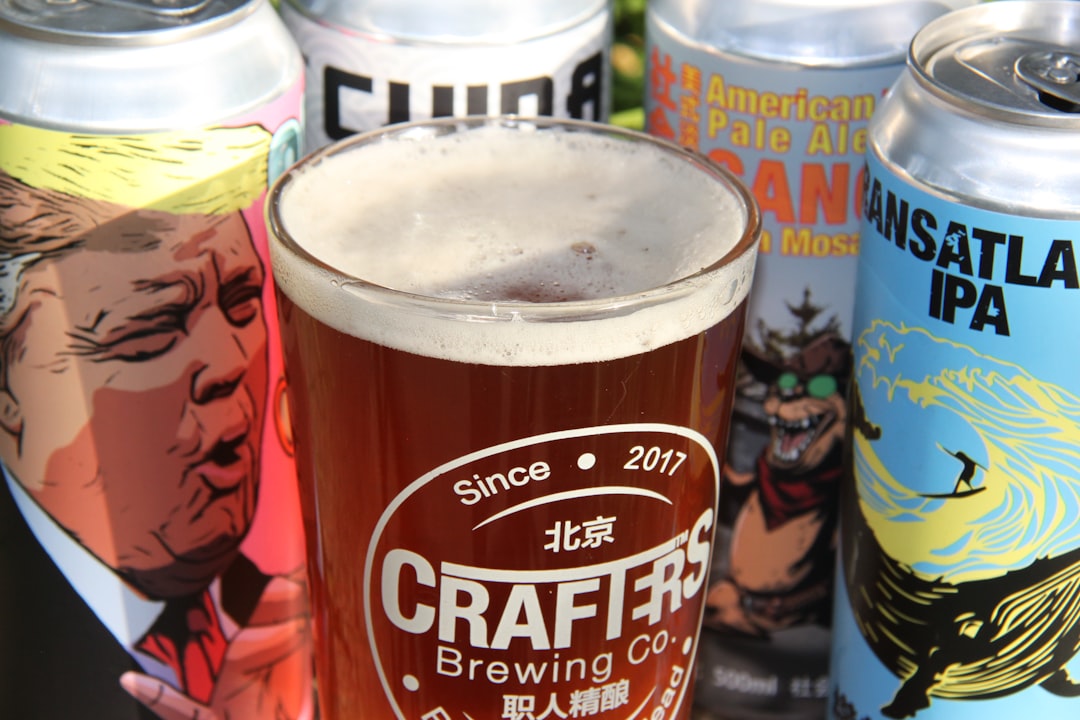
Craft beer collaborations have become one of the most exciting engines driving innovation in the beer world. When two (or more) breweries, or a brewery and another brand, team up, they combine recipes, techniques, ideas, and audiences to produce beers that rarely would exist otherwise. These partnerships spark experimentation, build community, and give drinkers one-of-a-kind experiences—often in limited-release bottles or kegs that fans race to find.
Why Craft Beer Collaborations Matter
Collaborations do more than produce a tasty pint. They’re a strategic tool for brewers and a sensory jackpot for beer lovers. For breweries, collaborations are a way to share costs, access new equipment or ingredients, and expand reach without a massive marketing spend. For consumers, collaborations offer novelty—the thrill of tasting an unexpected mashup of styles, ingredients, or techniques.
They also tell stories. A collab highlights the personalities behind the beer: the creative tension, shared values, and mutual admiration between partners. That story often enhances the perceived value of the beer and turns a simple tasting into an experience that connects fans to the breweries and to each other.
Types of Craft Beer Collaborations
Not all collaborations look the same. They vary by scale, intention, and creative approach. Understanding the main types helps breweries choose the right partner and helps consumers know what to expect.
One-Off Brews
One-off brews are single, limited releases created specifically for a collaboration. They often appear at release parties or festivals and may be packaged in cans or crowlers. Because they’re limited, one-offs build urgency and excitement.
Series and Anniversary Releases
Some collaborations become multi-part series—either because the first release was wildly successful or because the breweries deliberately planned several iterations (e.g., seasonal variations or experimental riffs). Anniversary collabs celebrate milestones and often include aged releases or special packaging.
Cross-Industry Collaborations
These pair brewers with businesses outside the beer world: coffee roasters, chocolatiers, distilleries, artists, restaurants, or sports teams. Cross-industry collaborations broaden a brewery's audience and introduce new flavor dimensions, like a stout brewed with locally roasted beans or an IPA infused with a chef’s signature spice blend.
Geographic and International Collaborations
When breweries from different cities or countries team up, they mix local ingredients, regional styles, and distinct brewing philosophies. Those collaborations celebrate cultural exchange and introduce consumers to unfamiliar brewing traditions.
Co-Fermented and Blended Projects
More adventurous brewers sometimes co-ferment (mix wort or fermentations together) or blend finished barrels to produce complex, layered beers. These projects require trust and technical alignment, but they can yield deeply nuanced beers—think farmhouse ales blended with barrel-aged sours or wild-fermented saisons married with bourbon-barrel stouts.
Common Goals Behind Collaborations
Most craft beer collaborations pursue one or more of the following goals:
- Innovation: Explore new ingredients, styles, or techniques.
- Audience Growth: Exchange fan bases to reach new drinkers.
- Cost Sharing: Spread the cost of rare ingredients or special equipment.
- Brand Storytelling: Create memorable releases that build brand identity.
- Community Building: Strengthen local or regional beer scenes.
- Social Impact: Raise funds or awareness through limited releases supporting a cause.
How Collaborations Happen: A Practical Walkthrough
At first glance, collaborations might seem spontaneous—two brewers hanging out and deciding to brew something wild. While chemistry matters, successful collaborations require planning. Here’s a practical roadmap used by many breweries.
1. Finding the Right Partner
Compatibility matters. Breweries look for partners who share creative ambitions, have complementary strengths, and align on quality standards. A small barrel-focused brewery might partner with a larger production brewery that has the capacity to age and package the release. Breweries often connect at festivals, through industry networks, or via mutual friends in the trade.
2. Setting Clear Objectives
Before the first recipe meeting, partners should agree on goals: Is this a marketing play, a fundraising initiative, or a technical experiment? Clear objectives shape decisions about style, batch size, packaging, and distribution.
3. Designing the Beer
Recipe development is where the fun begins. Brewers negotiate everything from grain bills and hop profiles to yeast selection and adjuncts. They weigh risks—unfamiliar ingredients, wild yeast, barrel-aging time—against the potential payoff.
4. Assigning Roles and Responsibilities
Who brews? Who manages procurement? Who handles QA/QC? Partners should assign roles up front to avoid confusion. For co-fermentation projects, laboratories or technicians may need to coordinate closely to ensure microbial stability.
5. Legal and Financial Agreements
While partnerships among friends can be informal, prudent breweries sign a simple contract covering profit splits, branding rights, distribution territories, trademarks, liability, and contingency plans. This avoids awkward disputes later on.
6. Production, Packaging, and Marketing
Production schedules must align with each brewery’s capacity. Packaging design often features both brands and tells the collaboration story. Marketing plans include release events, social media content, and distribution strategies—often coordinated for maximum hype.
7. Launch and Post-Launch Evaluation
Release parties, tap takeovers, or limited online sales kick off the launch. Afterwards, partners review sales data, press response, and customer feedback to evaluate success and plan follow-ups.
Creative Collaboration Ideas That Work
Collaborations thrive when the concept excites both makers and drinkers. Here are practical ideas that have worked well—and could inspire future projects.
- Coffee + Stout: Work with a local roaster to develop a signature dark roast for a breakfast stout. Offer small-batch coffee samples at the release event.
- Bakery + Saison: Use sourdough starter or bakery yeast strains in a farmhouse ale, then host a pairing with fresh bread and pastries.
- Winemaker + Barrel Program: Age beer in barrels from a partner winery to create unique barrel-aged releases.
- Hop Farm Partnership: Brew a single-hop IPA with fresh wet hops from a local farm, highlighting terroir and seasonal availability.
- Artist Labeling: Commission a local muralist for label art and create limited-run cans featuring their designs—sell prints at the taproom.
- Charity Release: Create a special beer with proceeds supporting a local cause—great for community goodwill and local press.
Case Study: What Makes a Collaboration Memorable?
A collaboration stands out when it aligns on three fronts: concept, execution, and story. Concept means a clear, interesting idea that’s also plausible. Execution means high-quality brewing and packaging. Story means the narrative that connects the beer to people—how it was made, who made it, and what inspired it.
For example, imagine a Pacific Northwest farmhouse brewery partnering with a Toronto roaster to make a wild ale fermented with coffee-infused yeast. The concept is surprising but believable. The execution requires careful fermentation control and sensory testing. The story—an east-meets-west experiment, small-batch, limited release—gives media outlets and fans a narrative to latch onto. That combination transforms a good beer into a memorable collaboration.
Marketing Collaborations: Building Hype Without Burning Out Fans
Hype sells collabs, but over-hyping leads to disappointment. Breweries that find the right balance use transparency and exclusivity wisely.
Smart Promotion Tactics
- Teasers: Post behind-the-scenes photos during brewing and aging to build a narrative.
- Taproom Exclusives: Reserve a small portion of kegs for the taproom to reward local fans and create a grassroots buzz.
- Staggered Releases: Release one format (crowlers/cans) online, then a keg release at partner bars to reach different audiences.
- Collaborative Events: Plan joint release parties with both breweries, including Q&A sessions or brewer-led tastings.
- Cross-Promotion: Use both partners’ email lists and social channels to reach a wider set of fans.
Avoiding the Hype Trap
Don’t overpromise. If a beer is experimental, be candid about the risks (variability, limited quantity). Fans appreciate honesty and are more forgiving when brewers are transparent about what they tried and why.
Distribution and Sales: Getting a Collab Into Drinkers’ Hands
Distribution strategy depends on goals and capacity. Local releases create community excitement; wider distribution builds brand reach. Many breweries use a blended approach—local taproom sales augmented by limited retail distribution or online drops.
For retailers and e-commerce platforms like Beer Republic, collaborations are valuable inventory. Specialty curators can highlight collab beers in dedicated collections, and advanced notice allows fans to reserve allocations. Beer Republic often lists limited-collab releases from top U.S. and Canadian breweries, making it easier for collectors and casual drinkers alike to discover unique brews with fast shipping and reliable packaging.
Legal, Logistical, and Quality Considerations
Collabs involve more than creativity. Brewers must navigate labeling laws, taxes, and quality control issues. A few things to keep in mind:
- Labeling Requirements: Ensure the label includes required government warnings, ABV, and accurate brand credits. Check jurisdiction-specific laws for multi-state or international releases.
- Taxes and Licensing: Consult a beer lawyer or accountant about production taxes, excise duties, and licensing when distributing across borders or states.
- Quality Assurance: Agree on QA/QC standards before production—sampling protocols, testing for diacetyl, contamination checks, and signing off on final packaging.
- Supply Chain: Plan for packaging lead times, ingredient sourcing variability (especially for seasonal products), and storage for barrel-aged or sour projects.
- Insurance and Liability: Make sure liability insurance covers special adjuncts or events that might introduce risk.
Tips for Breweries: How to Plan a Successful Collaboration
From the perspective of a brewery considering collaboration, here are tactical tips drawn from industry practice:
- Start Small: Begin with a pilot batch or one-off before committing to large-scale production.
- Document Everything: Keep detailed records—recipes, process notes, fermentation logs—to reproduce or iterate on success.
- Prioritize Communication: Set regular check-ins during fermentation and packaging to catch issues early.
- Leverage Complementary Strengths: Partner with a brewery that brings what your operation lacks—barrel space, cold rooms, packaging lines, or distribution reach.
- Plan for Demand Spikes: If a collab goes viral, have contingency plans for small additional runs or a second wave.
- Respect Brand Equity: Keep label and marketing design professional—cohesive branding helps both parties.
Tips for Consumers: How to Find and Enjoy Collab Beers
For the beer fan, tracking down limited collaborations can be part of the fun. Here are ways to stay on top of releases and savor them.
- Follow Breweries and Curators: Follow favorite breweries and trusted retailers like Beer Republic on social media for release announcements and curated collab collections.
- Join Local Beer Clubs: Taprooms and bottle shops often include collab releases in membership boxes or priority sales.
- Attend Festivals and Tap Takeovers: Festivals are breeding grounds for collaborations—many events feature exclusive collab kegs served on-site.
- Practice Smart Collecting: If a release is a one-off, decide quickly if it’s worth hoarding. Collectors sometimes trade or sell rare bottles, but rotating fresh drinkability often offers the best experience.
- Pair Thoughtfully: Pair collaboration beers thoughtfully—barrel-aged sours with sharp cheeses, coffee stouts with chocolate desserts, or hop-forward IPAs with spicy food.
Sustainability and Social Responsibility in Collaborations
Many collaborations today incorporate sustainability or social missions. Breweries partner with farms to reduce waste (using spent grain for livestock), with environmental groups to protect watersheds used for brewing, or with nonprofits to raise funds and awareness.
These projects provide marketing value and genuine impact. They let breweries and consumers support causes through consumption—an appealing proposition for socially conscious drinkers looking for meaningful purchases.
Measuring Success: Metrics That Matter
Success isn’t just press coverage. Brewers measure collab performance across dimensions:
- Sales Velocity: Speed of sell-through at taprooms and retail.
- Distribution Reach: Number of new accounts or regions reached.
- Customer Acquisition: How many new followers, email subscribers, or taproom visitors arrived because of the collab.
- Brand Impact: Social engagement, press pickups, and long-term shifts in brand perception.
- Learnings: Technical lessons about ingredients or processes that can improve future beers.
Common Mistakes and How to Avoid Them
Even well-intentioned collaborations can stumble. Common mistakes include:
- Poor Fit: Pairing brands with mismatched audiences or values dilutes appeal. Choose partners with overlapping or complementary fan bases.
- Overcomplication: Adding too many adjuncts or gimmicks often muddles flavor. Keep clarity of concept.
- Underpricing: Pricing a unique collab like a standard beer undermines perceived value—factor in rarity, production cost, and marketing.
- Bad Timing: Releases that clash with major holidays or festivals can get lost. Coordinate calendar timing for maximum attention.
Where to Buy Collaboration Beers: Practical Guidance
Specialty retailers and curators play a big role in getting collab beers to consumers. Beer Republic, for example, curates a wide selection of top-rated American and Canadian craft beers, and often features collaboration releases in its collections. For collectors and casual buyers alike, reputable stores provide accurate product information, secure shipping, and the convenience of browsing diverse collaborations in one place.
Local bottle shops and taprooms remain essential for the in-person experience, especially for kegs and taproom-only pours. For collectors who can’t attend releases, online retailers that offer pre-orders or timed drops are indispensable.
Looking Ahead: Trends in Craft Beer Collaborations
Several trends are shaping the future of collaborations:
- Regionalized Terroir Projects: More projects will highlight local ingredients—single-hop IPAs from regional hop varietals or sour ales showcasing native wild yeast.
- Cross-Category Creativity: Expect more collaborations with food artisans, spirits producers, and even non-alcoholic brands for hybrid experiences.
- Sustainability-Focused Collabs: Partnerships that reduce waste, support regenerative agriculture, or fund climate action will grow.
- Digital-First Releases: Exclusive NFT-based collectibles tied to physical beer releases may appear, but the core will remain people tasting beer together.
Summary: Why Beer Lovers Should Care About Collaborations
Craft beer collaborations open doors—to new flavors, to new communities, and to creative stories that make drinking beer more than just consumption. They help breweries innovate, share resources, and grow their brands. For drinkers, collaborations are invitations to explore the edge of what beer can be: a coffee-forward stout, a barrel-aged sour, or an IPA brewed with a hop varietal only available from a single farm.
Curated retailers like Beer Republic make tracking these releases easier by featuring collaboration beers alongside top-rated domestic drafts, so fans can discover and buy limited releases conveniently and reliably. Whether a drinker wants to chase the next rare bottle or simply try something unique on a weekend night, collaborations provide an ever-changing menu of possibilities.
Frequently Asked Questions
What exactly is a craft beer collaboration?
A craft beer collaboration is a planned partnership between two or more breweries—or between a brewery and another type of business—to create a beer together. Collaborations can be one-off releases, ongoing series, or cross-industry projects that combine skills, ingredients, and audiences.
How can a consumer find collaboration beers?
Follow favorite breweries on social media, join local beer clubs, attend festivals, and check specialty retailers such as Beer Republic for curated selections and release announcements. Many breweries also announce drops on their email lists or at taprooms.
Are collaborative beers usually more expensive?
They can be, especially when they involve rare ingredients, barrel aging, or limited packaging. The higher price often reflects production costs and scarcity rather than an arbitrary markup.
Can small breweries benefit from collaborations?
Absolutely. Small breweries can access new equipment, share costs, and reach broader audiences through collaboration. It’s a practical growth strategy when executed with careful planning and the right partner.
Do collaborations always taste different from a brewery’s regular lineup?
Not always. Some collaborations amplify a brewery’s existing style, while others introduce wildly new techniques or adjuncts. The defining factor is intent: if the partners aim to experiment, the result tends to be more novel.
Craft beer collaborations are where creativity and community meet. For anyone who loves exploring beer, they offer a rotating roster of surprises—each can or pint comes with a story, a partnership, and a chance to taste something that wouldn’t exist without two minds—or more—working together. Cheers to the next great collab.
