
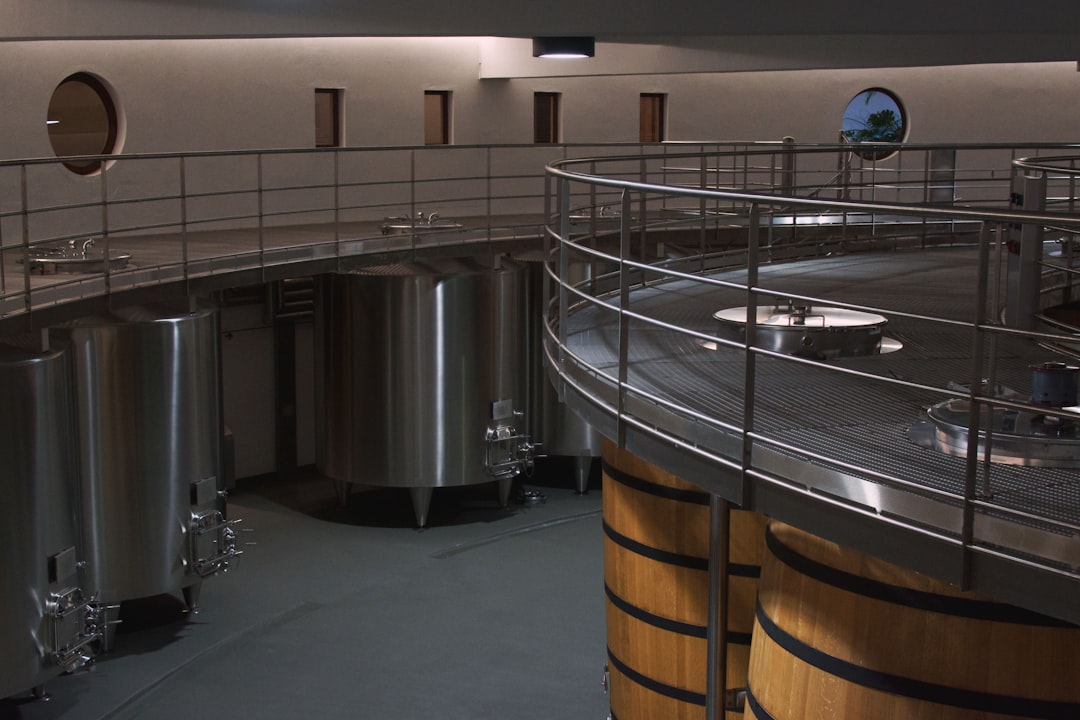
Fermentation is where grain becomes beer, and understanding beer fermentation methods reveals how brewers coax everything from bright, crushable IPAs to funky, timeworn lambics out of wort. Brewers manipulate yeast species, temperature, oxygen exposure, and fermentation vessels to build aroma, mouthfeel, and complexity. For craft beer enthusiasts, knowing the differences between methods turns a tasting flight into a guided tour of technique and tradition.
Why Fermentation Matters
Fermentation is the biochemical heart of brewing. At its simplest, yeast consumes fermentable sugars from the wort and produces alcohol and carbon dioxide. But that’s only the starting point. Yeast metabolism also creates hundreds of secondary compounds—esters, phenols, organic acids, and other flavor-active molecules—that define a beer’s personality.
Different beer fermentation methods intentionally emphasize or suppress certain flavor pathways. The result: crisp lagers with clean finish, fruity ales with pronounced esters, tart sours with lactic tang, and wild beers layered with barnyard funk. Even the same recipe, fermented differently, can produce dramatically different beers.
Fundamental Variables in Fermentation
Every fermentation method plays with a handful of core variables. Understanding these helps a taster appreciate what’s happening in the glass and helps the homebrewer replicate techniques.
- Yeast strain — The choice between top-fermenting ale yeasts, bottom-fermenting lager yeasts, and wild strains like Brettanomyces or mixed cultures is the single most influential decision.
- Temperature — Warmer fermentations (60–75°F/15–24°C) favor ester production, while cooler ones (45–55°F/7–13°C) yield cleaner profiles.
- Oxygen — Oxygen is crucial during yeast growth phase; too much or too late can create off-flavors, especially in bottle-conditioned beers.
- Pitching rate — How much healthy yeast is added affects fermentation vigor and byproduct formation.
- Fermentation time and conditioning — Short, bright fermentations produce fresh beers; extended conditioning allows flavors to mellow or develop complexity.
- Vessel and exposure — Open vs. closed fermentation, stainless vs. wooden barrels, and the presence of oxygen or microflora all shape outcomes.
Main Beer Fermentation Methods Explained
Ale Fermentation (Top-Fermenting)
Ale fermentation uses Saccharomyces cerevisiae or related strains that prefer warmer temperatures and ferment near the top of the wort. This method produces many of the craft world’s favorites: American Pale Ales, IPAs, Belgian ales, stouts, and more.
- Temperature range: Typically 60–72°F (15–22°C).
- Flavor profile: Fruity esters, sometimes spicy phenols depending on strain; fuller mouthfeel.
- Use cases: Hop-forward styles, saisons, English bitters.
Example: An American IPA fermented with a clean ale strain at the lower end of the range will remain hop-forward with restrained esters. Using a Belgian ale yeast at the same temperature range will introduce distinctive fruity and spicy notes, shifting the beer’s character even if the malt and hops are identical.
Lager Fermentation (Bottom-Fermenting)
Lager fermentation uses Saccharomyces pastorianus (often called S. carlsbergensis historically) and runs significantly cooler. Lagers are known for clarity and a clean flavor profile, though modern craft lagers can be highly expressive when fermented and lagered carefully.
- Temperature range: Primary 45–55°F (7–13°C); extended cold lagering near 32–40°F (0–4°C).
- Flavor profile: Clean, subtle malt character, crisp finish—minimal fruity esters.
- Use cases: Pilsners, Märzen, Dunkel, Vienna lagers.
Lagering—long, cold maturation—reduces diacetyl and unwanted compounds while polishing flavor. For homebrewers, precise temperature control is the main hurdle; commercially, lagering is a logistics-heavy but rewarding process.
Spontaneous Fermentation
Spontaneous fermentation relies on naturally occurring airborne yeasts and bacteria to inoculate cooled wort. It’s the historic method behind lambics and many traditional Belgian sour beers. It’s unpredictable, slow, and deeply linked to place—local microflora impart terroir.
- Process: Wort is cooled in shallow open coolships overnight to capture microbes, then transferred to barrels for long aging.
- Microbes involved: Saccharomyces species, Brettanomyces, Lactobacillus, Pediococcus, acetic acid bacteria.
- Flavor profile: Complex funk, tartness, barnyard, and layered acidity.
Example: A traditional lambic spends months to years in oak barrels, where mixed fermentation slowly converts sugars while creating complex sour and oxidative notes. It’s not the method for the impatient brewer but yields singularly unique beers.
Mixed Fermentation
Mixed fermentation intentionally combines cultured yeast strains and bacteria—often Saccharomyces with Brettanomyces, Lactobacillus, and Pediococcus—to produce complexity and controlled sourness. Unlike spontaneous fermentation, the brewer selects the microbiological cast.
- Approach: Sequential or co-inoculation strategies can be used. Brewers often ferment initially with Saccharomyces, then allow secondary microbes to develop.
- Flavor profile: Balance of fermentation character and nuanced acidity; can range from lightly tart to bone-dry sour.
- Typical vessels: Oak barrels, foeders, or stainless with careful oxygen control.
Many modern sour breweries blend controlled mixed fermentation with barrel aging to get predictable yet lively results.
Kettle Souring
Kettle souring is a faster method to make sour beers: the brewer sours the wort in the brew kettle before boiling and hopping, then boils and ferments normally with Saccharomyces. It’s efficient and reduced-risk because souring microbes are confined to the kettle.
- Process: Cool mash-wort to ~40–45°C (104–113°F), inoculate with Lactobacillus, maintain until desired pH, then boil to kill bacteria and hop.
- Flavor profile: Clean lactic tang similar to Berliner Weisse or Gose—less funk than mixed or spontaneous sours.
- Advantages: Faster (days vs. months), easier sanitation, predictable acidity.
Kettle souring has become a staple for breweries wanting sour beers without the barrel program commitment. It’s a great entry point for homebrewers exploring tart beers.
Brettanomyces Fermentation
Brettanomyces (often called “Brett”) is a yeast genus that produces earthy, leathery, or fruity aromas depending on strain and aging time. Brewers use Brett in secondary fermentations to add complexity and lingering funk.
- Use: Secondary or tertiary fermentations after Saccharomyces to dry out beers and develop character.
- Timeframe: Months to years—Brett works slowly compared with Saccharomyces.
- Flavor profile: Horse blanket/barnyard, tropical fruit, pineapple, or subtle leathery notes.
Many breweries use Brett to transform barrel-aged beer into something wild and unpredictable. For homebrewers, containment and sanitation are vital; Brett is persistent and can cross-contaminate equipment.
Bottle Conditioning (Secondary Fermentation)
Bottle conditioning (or bottle refermentation) involves adding a small amount of sugar and yeast to the beer before bottling so carbonation happens naturally in the bottle. It’s a popular method for traditional styles and for aging beers that evolve over time.
- Benefits: Natural carbonation, improved mouthfeel, continued flavor evolution.
- Risks: Overcarbonation and bottle bombs if priming sugar is miscalculated or yeast is overactive.
- Examples: Belgian ales, some saisons, traditional cask ales.
Many craft breweries and homebrewers prefer bottle conditioning for certain styles because it yields delicate carbonation and develops nuanced flavors during conditioning.
Cask Conditioning (Real Ale)
Cask conditioning is a traditional British technique where beer undergoes secondary fermentation in the cask from which it’s served. It’s served uncarbonated or lightly carbonated at cellar temperature, offering a softer mouthfeel and a direct expression of the beer.
- Features: Served without force-carbonation; bright, subtle carbonation from natural CO₂.
- Serving temp: Typically 50–55°F (10–13°C), warmer than many modern beers.
- Charm: Presents beer in a way that highlights freshness and malt balance rather than hop spritz.
Open vs. Closed Fermentation
Fermentation vessels influence oxygen exposure and microbial dynamics.
- Open fermentation (e.g., coolships, open fermenters) allows gas exchange and can promote ester production and certain yeast behaviors. It’s traditional for many ales and lambics, and visually dramatic in breweries.
- Closed fermentation (pressure-capable fermenters) controls oxygen and CO₂ levels and reduces contamination risk. It’s standard for modern lagers and most commercial production focused on consistency.
Open methods suit styles that welcome a little unpredictability, while closed systems support consistency and shelf stability—both are valid choices depending on the brewer’s goals.
Comparing Methods: How They Influence Flavor
Here’s a concise way to remember what each method contributes to the final beer.
- Ale (Top-Fermenting): Fruity, estery, fuller body.
- Lager (Bottom-Fermenting): Clean, crisp, subtle malt hop interplay.
- Spontaneous: Highly complex, funky, terroir-driven, long-aged.
- Mixed: Controlled funk and sourness with planned aging.
- Kettle Sour: Bright, clean lactic acid; fast turnaround.
- Brett: Funky, evolving dryness; often used in blends and barrels.
- Bottle/Cask Conditioning: Natural carbonation and continued evolution.
Practical Tips for Homebrewers
For craft beer fans who also brew at home, replicating professional beer fermentation methods requires attention to detail and respect for sanitation and temperatures.
General Housekeeping
- Sanitize everything that touches cooled wort or beer—fermentation is where contamination can ruin weeks of work.
- Control temperature. A refrigerator or dedicated fermentation chamber with a temperature controller is one of the best upgrades a homebrewer can buy.
- Use healthy yeast. Fresh yeast and appropriate pitching rates reduce stressed yeast byproducts like higher alcohols or off-flavors.
Pitching and Oxygen
Oxygenation matters early. Aerate wort before pitching to aid yeast reproduction. After yeast begins to work, keep oxygen away—oxidation late in fermentation leads to cardboardy or stale flavors.
Choosing a Method
- Start with ale fermentation for beginners—simpler temperature control and forgiving yeast behavior.
- Try kettle-soured blonde ales or Berliner Weisse for a foray into sours without barrels or wild cultures.
- Reserve mixed or spontaneous methods for advanced projects (or join a local co-op that has barrel capacity).
Simple Ale Fermentation Schedule (Example)
- Cool wort to target ~66°F (19°C).
- Aerate wort and pitch yeast at recommended rate.
- Ferment 3–7 days until vigorous activity subsides and gravity is falling.
- Optional diacetyl rest: bump temperature 2–3°F for 24–48 hours to reduce buttery diacetyl.
- Condition in secondary or cold-crash for clarity, then bottle or keg.
Troubleshooting Common Fermentation Issues
- Stalled fermentation: Often caused by low pitching rate, cold temps, or oxygen starvation. Warm slowly to yeast’s preferred range, and consider rousing yeast or adding a healthy starter.
- Off-flavors (solvent-like or hot alcohol): High fermentation temps and stressed yeast produce fusel alcohols. Maintain proper temps and use adequate yeast.
- Diacetyl (buttery): Normal in some lagers or malty beers; allow a diacetyl rest or extend conditioning.
- Infection or sourness where it’s not wanted: Sanitation lapse. Rinse and sanitize equipment, and avoid transferring hop debris or wild cultures between batches unless intended.
Commercial Versus Home Fermentation
Large-scale breweries have resources—temperature-controlled rooms, stainless fermenters, barrel cellars, and dedicated microbiological programs—allowing fine control and experimentation. Homebrewers can achieve excellent results, but scale matters: barrels hold micro-ecosystems at volumes that behave differently than five-gallon batches.
Many commercial brewers also blend beers from different barrels or batches to achieve consistent flavor and complexity—an art form that’s hard to replicate at home without multiple aging vessels.
How Beer Republic Brings Fermentation Methods to Drinkers
Beer Republic curates a wide array of American and Canadian craft beers that showcase diverse beer fermentation methods. From crisp, cold-lagered Pilsners to hop-forward ales and barrel-aged sour releases, the site makes it easy for explorers to taste different fermentation fingerprints without traveling to multiple breweries.
For someone who wants to experience kettle-soured Berliner Weisse, funk-forward Brett ales, or classic top-fermented IPAs, Beer Republic’s curated collections and filtering options help shoppers find styles by method and flavor profile. Fast shipping and detailed product notes let drinkers compare examples side-by-side—a practical way to learn how fermentation choices translate into flavor.
Pairing Fermentation Methods With Food
Understanding fermentation can enhance food pairing:
- Crisp lagers: Pair well with lighter fare—grilled chicken, sushi, or fish tacos—because the beer’s clean finish won’t mask delicate flavors.
- Hoppy ales (IPA): Stand up to spicy foods and rich cheeses; bitterness can cut through fat and complement heat.
- Sours and kettle-soured beers: Excellent with rich, fatty dishes like pork belly or creamy desserts—acidity refreshes the palate.
- Brett and mixed-fermentation beers: Complex and funky beers pair well with aged cheeses, charcuterie, and spicy ethnic dishes that can mirror or contrast funk and acidity.
Emerging Trends in Fermentation
Craft brewers constantly experiment. A few trends to watch:
- Hybrid methods: Combining kettle souring with Brett conditioning or using lager yeast followed by mixed fermentations for novel hybrids.
- Quicker souring techniques: Innovations in cultured bacteria strains and process control are shortening sour beer timelines while enhancing flavor.
- Non-traditional yeasts: Using non-Saccharomyces yeasts for low-alcohol beers or unique flavor pathways.
- Barrel diversity: Not just oak—brewers age in barrels that previously held wine, spirits, or other fermented products to borrow additional complexity.
Practical Recommendations for Enthusiasts
For those who love exploring beer fermentation methods, here are actionable ways to learn and taste deliberately:
- Compare side-by-side: Buy a clean ale and a similar-style lager. Taste them consecutively and note differences in ester, mouthfeel, and finish.
- Attend brewery tastings: Many breweries offer flights showing the effects of fermentation techniques—ask staff about the methods used.
- Start a sour flight: Pick one kettle-soured beer, one mixed-fermentation beer, and one spontaneous beer (if available) and note differences in tartness, funk, and complexity.
- Try small-batch home experiments: Brew the same wort and ferment one batch as an ale and another as a lager to directly observe fermentation impact.
- Explore Beer Republic collections: Use curated packs and sampling collections to taste-fermentation diversity without committing to large quantities.
Safety and Legal Notes
When homebrewing, follow local laws and safety practices. Never attempt spontaneous fermentation or open-air coolship methods in environments where contamination could pose a risk, and always label barrels or vessels clearly if wild microbes are present to avoid accidental cross-contamination of other batches.
Conclusion
Beer fermentation methods are the palette from which brewers paint flavor. Whether it’s the straightforward, fruity pop of an ale, the crisp cleanliness of a well-lagered Pilsner, the brisk tang of a kettle-soured Berliner, or the layered funk of a lambic, each method contributes distinct signatures. For craft beer fans, appreciating these differences deepens enjoyment and helps guide purchases and pairings.
Beer Republic makes it simple to explore this spectrum by offering thoughtfully curated selections of American and Canadian craft beers representing many fermentation techniques. Sampling beers with intent—comparing, asking questions, and noting differences—turns casual drinking into an ongoing education about one of brewing’s most fascinating processes.
Frequently Asked Questions
What’s the difference between ale and lager fermentation methods?
Ales use top-fermenting yeast (Saccharomyces cerevisiae) at warmer temperatures (about 60–72°F), producing fruity esters and a fuller profile. Lagers use bottom-fermenting yeast (S. pastorianus) at cooler temperatures (about 45–55°F) and involve extended cold conditioning, resulting in cleaner, crisper flavors.
Are kettle-soured beers the same as spontaneously fermented sours?
No. Kettle-souring uses cultured Lactobacillus to sour wort quickly in the brew kettle, then the wort is boiled and fermented with Saccharomyces—resulting in a clean lactic sour. Spontaneous fermentation captures wild microbes and ferments over months or years in barrels, producing layered funk, acidity, and terroir-driven character.
Can a homebrewer attempt mixed or spontaneous fermentation?
Homebrewers can do controlled mixed fermentation using purchased cultures (Lactobacillus, Pediococcus, Brettanomyces), but spontaneous fermentation requires careful setup, containment, and acceptance of unpredictability. For many, kettle souring or using curated mixed cultures offers a safer and more reliable entry into sour and wild styles.
How long do different fermentation methods take?
Timing varies widely: typical ale fermentations finish in a week or two; lagers require weeks plus cold lagering; kettle-soured beers can be ready in a few weeks; mixed or spontaneous fermentations often take months to years depending on desired complexity.
How can Beer Republic help someone explore fermentation methods?
Beer Republic curates beers across fermentation styles—ales, lagers, sours, and wild-fermented releases—so enthusiasts can sample contrasts without hunting individual breweries. The site’s collections, style descriptions, and fast shipping make it easy to build tasting flights and learn by comparison.
