
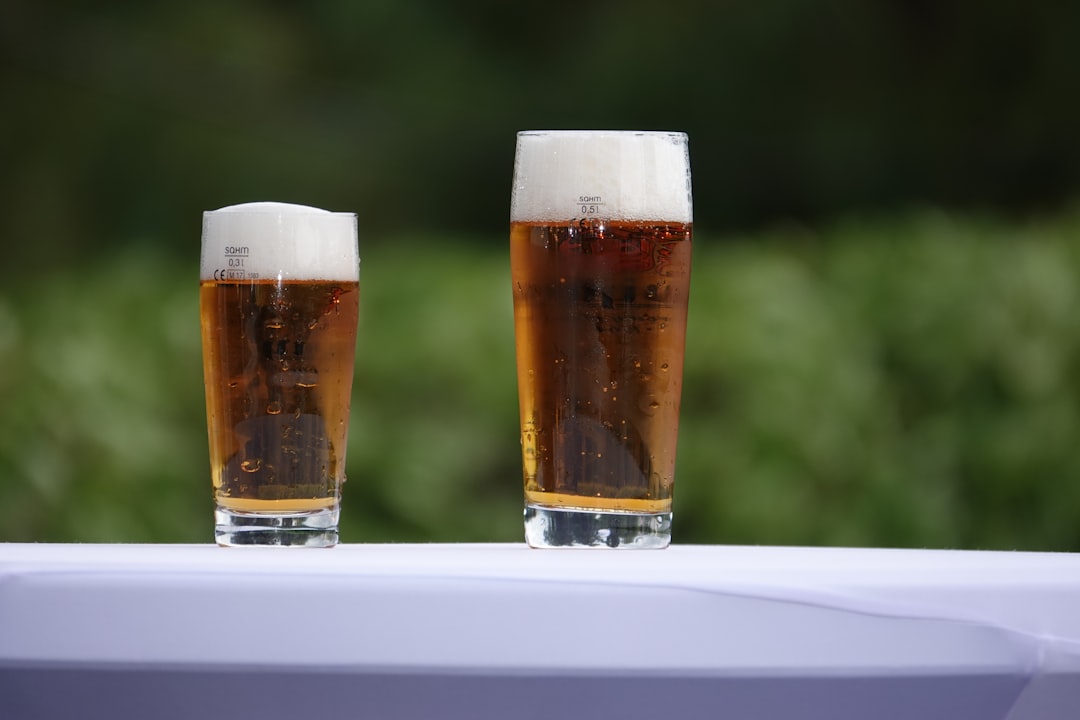
Beer pairing techniques turn an ordinary meal into a memorable tasting experience. For craft beer fans who want to get deliberate about matching brews to food, mastering a handful of reliable approaches—matching intensity, balancing flavor contrasts, echoing ingredients, and using carbonation as a palate cleanser—goes a long way. This guide walks through those techniques, gives concrete pairing suggestions for popular beer styles, and offers practical tips for hosting tastings or shopping smartly (including ideas for selections from Beer Republic's wide craft beer inventory).
Why Pairing Beer and Food Matters
Food and beer interact on multiple levels—aroma, sweetness, bitterness, acidity, texture, alcohol warmth, and carbonation. Thoughtful pairings can highlight subtle flavors in both the dish and the brew, while poor matches may mask or clash. The goal of beer pairing techniques isn't to find one perfect combination but to create relationships that elevate each sip and bite.
For craft beer enthusiasts, pairing becomes another way to explore beer diversity. A crisp pilsner will illuminate different qualities than a chewy barrel-aged stout, and each interaction reveals new nuances in malt, hops, yeast, and adjuncts.
Core Beer Pairing Techniques
These foundational techniques give a repeatable framework. They function like a chef’s toolkit—use one or mix several depending on the dish and beer.
1. Match Intensity
One of the simplest rules is to align the strength of the beer with the strength of the food. Light-bodied lagers and wheat beers pair best with delicate foods like salads, seafood, and mild cheeses. Big imperial stouts or high-ABV barleywines demand rich, robust dishes—think braised short ribs or dark chocolate cake.
- Why it works: Overpowering a delicate dish with a heavy beer masks subtle flavors; underpowering a hearty dish makes the beer disappear.
2. Complement (Like with Like)
Complementary pairing reinforces similar flavor qualities. A malty amber ale naturally complements caramelized or roasted flavors in grilled pork, while a citrus-forward IPA pairs well with citrus-marinated seafood.
- Tip: Look for overlapping flavor words—roasty, caramel, spicy, fruity, herbal—and lean into them.
3. Contrast (Opposites Attract)
Contrasting flavors can create an exciting balance. A bitter, hoppy IPA cuts through fatty or spicy foods. Sweet desserts work well with beers that have bitter components—an imperial stout’s roasted and bitter chocolate notes play nicely against sugary desserts.
- Common contrast pairs: Salty snacks + sour beers; spicy dishes + malty lagers; creamy cheeses + crisp pilsners.
4. Cut and Cleanse
Carbonation and bitter hops are natural palate cleansers. Beers with bright acidity or lively carbonation can refresh the palate between bites, especially with rich, oily, or fried foods. A flabby or flat beer won’t have this effect.
5. Echo Ingredients (Ingredient Pairing)
If a dish uses a particular ingredient—coffee, chocolate, orange, coriander—seek out beers that highlight the same flavor. Belgian-style saisons with peppery yeast notes echo spiced dishes; coffee stouts or porters enhance mocha desserts.
6. Regional Pairing
Local pairings—matching beers and foods from the same region—often work because they evolved together. A New England IPA and a lobster roll, or a Canadian brown ale with poutine, follow that logic.
7. Think Texture
Consider how a beer’s mouthfeel interacts with food. Creamy dishes pair well with medium-bodied beers that have some residual sweetness, while crisp beers with higher carbonation pair well with fried textures to cut through grease.
Setting Up a Tasting: Practical Tips
Trying beer pairing techniques at home or hosting a tasting becomes more enjoyable with a few practical choices.
Build a Logical Flight
- Start light and move to dark or intense—pilsners, wheat beers, pale ales, IPAs, ambers, porters, stouts.
- Include a palate cleanser like water or plain crackers between samples.
- Serve small pours (3–4 oz) so guests can try multiple pairings without becoming overwhelmed.
Temperature and Glassware Matter
Beer temperature affects aroma and perception. Lighter beers taste best cold (38–45°F), while richer beers open up at warmer temps (50–55°F). Use appropriate glassware when possible—pilsner glasses for crisp beers, tulip glasses for aromatic ales, snifters for big sippers—to concentrate aromas and enhance flavor.
Note-Taking and Controlled Variables
When experimenting with beer pairing techniques, keep one variable consistent: the dish or the beer. Have several beers with the same dish to see how different styles interact, or test one beer with multiple foods. Encourage guests to record impressions—sweet, bitter, acid, texture, and whether the pairing boosted or diminished flavors.
Pairing by Style: What Works and Why
Below are specific style-based guidelines and actionable pairings. They incorporate the techniques outlined above and offer ideas using the kinds of beers Beer Republic often stocks—American IPAs, West Coast and New England styles, craft lagers, stouts, and seasonal releases.
Pilsners and Light Lagers
Profile: Crisp, clean, light-bodied, moderate bitterness. Great as palate cleansers.
- Pair with: Sushi, oysters, ceviche, salads, chicken piccata, lighter cheeses (mozzarella, ricotta).
- Why: The crisp carbonation lifts fatty textures and won’t mask delicate flavors.
Wheat Beers (Hefeweizen, Witbier)
Profile: Bready, sometimes fruity or spicy (banana, clove, coriander). Soft mouthfeel.
- Pair with: Brunch dishes (eggs Benedict), light seafood, salads with citrus vinaigrette, soft cheeses, mildly spiced foods.
- Why: Wheat beers echo citrus and yeast-based flavors and work well with creamy textures.
Pale Ales (Session to American Pale Ale)
Profile: Balanced malt and hop character; floral, citrus, or pine notes in American styles.
- Pair with: Burgers, grilled chicken, nachos, smoked salmon, medium cheeses like cheddar.
- Why: Pale ales have enough body to stand up to grilled flavors and enough hop character to cut through fat.
IPAs (West Coast, New England, Double/Imperial)
Profile: Ranges from bitter and piney (West Coast) to juicy and fruity (NEIPA); often high in hops and bitterness.
- Pair with: Spicy Asian dishes (Thai, Szechuan), tangy BBQ, blue cheese, sharp cheddar, fried foods, citrus-forward salads.
- Why: Hops and bitterness provide a counterpoint to spice and fat; fruity IPAs can echo citrus glazes or salsas.
- Note: High-bitterness IPAs can overwhelm delicate desserts or subtle seafood—use cautiously.
Saisons and Farmhouse Ales
Profile: Dry, peppery, sometimes funky and effervescent; highly food-friendly.
- Pair with: Roast chicken, herb-forward dishes, farmhouse cheeses, charcuterie, mussels in white wine.
- Why: Acidic and spicy yeast notes bridge herbal flavors and cut through fattier components.
Sour Beers (Berliner Weisse, Gose, Lambic)
Profile: Tangy, tart, sometimes salty or fruity.
- Pair with: Salty snacks, ceviche, goat cheese, fruit tarts, pâté with sweet accompaniments.
- Why: Acidity brightens fatty or salty dishes and balances sweetness in desserts.
Amber/Red Ales
Profile: Pronounced malt character with caramel notes and moderate hop presence.
- Pair with: Roasted pork, meatloaf, caramelized onions on a burger, pizza with tomato sauce.
- Why: Caramel malts complement roasted or caramelized flavors; balanced bitterness avoids overwhelming the dish.
Brown Ales
Profile: Nutty, toasty, caramel, sometimes chocolate notes; medium-bodied.
- Pair with: Mushroom risotto, roasted root vegetables, turkey, aged cheeses, chocolate desserts.
- Why: Brown ales highlight nutty and roasted flavors without the heaviness of porters or stouts.
Porters and Stouts
Profile: Roasted, coffee, chocolate, sometimes smoky. Stouts often richer, with imperial stouts delivering higher alcohol and intense flavors.
- Pair with: Barbecue, smoked meats, dark chocolate desserts, coffee-infused dishes, oysters (oyster stout tradition).
- Why: Roasted malt and coffee notes either match smoky flavors or contrast with sweet desserts in a satisfying way.
Barrel-Aged and Specialty Strong Beers
Profile: Complex, often with oak, vanilla, warm alcohol, and oxidation-derived flavors.
- Pair with: Aged cheeses, foie gras, chocolate with espresso, stews, and strong, spiced desserts.
- Why: Big flavors demand bold foods and make for contemplative pairings more than casual sipping.
Pairing by Dish: Common Scenarios and Recommendations
Below are everyday meal situations and practical beer pairing techniques that readers can use immediately. Each entry includes the reasoning so they can adapt the idea to similar dishes.
Pizza Night
- Classic Margherita: Try a crisp pilsner or wheat beer to keep the palate fresh and let the tomato and basil sing.
- Pepperoni/Meat-Lovers: An American amber or IPA stands up to spice and fat; the hops cut through grease.
- BBQ Chicken: A brown ale or porter echoes the caramelized BBQ sauce.
Burgers and Grills
- Simple Cheeseburger: Pale ale or amber ale for balance.
- Blue Cheese Burger: Robust IPA or imperial stout if blue cheese is very assertive.
- Grilled Vegetables: Saison or farmhouse ale to complement herbaceousness.
Spicy Food (Thai, Indian, Szechuan)
- Choose fruity, low-bitterness beers—NEIPA, wheat beer, or fruit-forward lagers—to soothe heat without numbing flavors.
- Higher-alcohol or bitter IPAs can intensify perceived heat and are less recommended.
Seafood and Shellfish
- Oysters: Dry stout or pilsner—stout provides a salty-roasted contrast; pilsner keeps it bright.
- Grilled Salmon: Amber ale or Saison—complements char and herbs.
- Sushi: Light lager or clean pilsner—won’t mask delicate fish flavors.
Cheese Pairings
- Soft Cheese (Brie, Camembert): Saison or farmhouse ale to cut creaminess.
- Hard Cheese (Aged Cheddar, Gruyère): Amber ales or IPAs for balance and contrast.
- Blue Cheese: Strong ales or barleywines; sweetness or high alcohol can balance pungency.
Desserts
- Chocolate Cake: Imperial stout or porter with coffee/chocolate notes.
- Fruit Tart: Berliner Weisse or sour ale to balance sweetness.
- Cheesecake: Saison, IPA (citrus-forward), or milk stout depending on topping.
Common Pairing Pitfalls and How to Avoid Them
Even with sound beer pairing techniques, there are common missteps. Recognizing them helps prevent ruined meals.
Don't Overwhelm Delicate Foods
Strongly hopped beers and barrel-aged beasts can annihilate subtle seafood or vegetable dishes. Use lighter styles or beers with lower bitterness.
Avoid Pairing Like with Like Blindly
Complementary pairings are powerful, but too much similarity—think two intensely roasted flavors—can become monotonous. Introduce contrast to revive the palate when necessary.
Mind Sweetness Levels
Sweet foods paired with overly bitter beers will taste off. Either pick a beer with residual sweetness (milk stout) or a sour/acidic beer to balance the dessert’s sugar.
Advanced Techniques and Creative Approaches
For readers ready to go beyond the basics, these techniques introduce deeper culinary thinking.
Pair by Chemical Compounds
Professional sommeliers often match based on shared compounds—esters, phenols, specific acids. For example, citrusy hop-derived terpenes pair with citrus dishes; roasted phenols in stouts echo dark-roasted coffee.
Use a 'Bridge' Ingredient
A bridge is an ingredient present in both beer and food, like orange peel in a Belgian dubbel and a citrus glaze on duck. Bridge pairings create seamless transitions between bite and sip.
Play with Temperature Contrasts
Serving a warm dish with a cooler beer can add a refreshing contrast. Temperature also affects perception of sweetness, bitterness, and carbonation, so tune serving temps intentionally.
Experiment with Sequencing
Order matters in multi-course meals. Start with lighter, cleaner beers and progress to richer, more complex ones. Consider inserting sours mid-meal to reset the palate for heavier courses.
Shopping and Sourcing: How Beer Republic Can Help
Finding the right beers for pairings is easier with a curated selection. Beer Republic offers a wide range of top-rated American and Canadian craft beers across styles—IPAs (West Coast and NEIPA), seasonal lagers, stouts, sours, and barrel-aged rarities—making it convenient to assemble thoughtful pairings without hunting through multiple stores.
- Tip: Use Beer Republic’s filters to build a flight by style, ABV, and flavor descriptors—this helps apply beer pairing techniques with precision.
- Delivery and variety: Fast shipping and diverse collections mean the reader can order a few small bottles for a tasting night and expand based on what worked.
Hosting a Pairing Night: A Sample Menu
Here’s a real-world example to put beer pairing techniques into practice. The menu balances intensity, uses echoes and contrasts, and demonstrates sequencing.
- Starter: Fresh oyster on the half shell paired with a bright pilsner—pilsner’s minerality complements brine.
- Small plate: Spicy tuna tostada with a New England IPA—juicy hops and low dry-bitterness soothe heat and echo citrus notes in the salsa.
- Main: Charred pork shoulder with apple slaw and roasted root vegetables paired with an amber ale—caramel malts match roasted pork and balance sweet slaw.
- Cheese course: Aged cheddar and fig jam with a barrel-aged porter—the porter’s oak and coffee notes bridge fig’s sweetness and cheddar’s tang.
- Dessert: Flourless chocolate torte with an imperial stout—roasted, bittersweet notes reinforce the chocolate depth.
Small pours and palate cleansers (sparkling water, plain crackers) between courses help guests evaluate contrasts and complements accurately.
Practical Tips for Everyday Pairing Decisions
- Keep a “go-to” list: Everyone should have a handful of reliable pairings—pilsner + oysters, IPA + spicy food, stout + chocolate.
- When in doubt, balance: If the dish is rich, pick a beer with carbonation and bitterness; if it’s tangy, try a malty or sweet beer.
- Be adventurous: Use small samples to test a risky match before committing to a bottle; most beers are willing teachers.
- Use descriptors: Read tasting notes for descriptors like “citrus,” “caramel,” or “roasted,” and match words to ingredients.
Notes on Health and Responsible Enjoyment
Pairing is about flavor and experience, not excess. Encourage moderation, especially when sampling multiple high-ABV beers. Drinking water between samples helps maintain palate clarity and reduces intoxication. Responsible hosting includes offering food-forward pairings and ensuring guests have safe transport options.
Final Thoughts
Beer pairing techniques are accessible and rewarding. They let craft beer lovers deepen their appreciation for styles and turn casual meals into thoughtful tastings. Whether experimenting with a backyard pairing night or choosing a beer from Beer Republic to elevate dinner, the core strategies—matching intensity, complementing flavors, contrasting boldly, and echoing ingredients—give a reliable foundation.
Pairing is ultimately personal. Encourage the reader to taste broadly, take notes, and keep an open mind. An unexpected combination may become a new favorite, and that surprise is part of the fun of craft beer.
Frequently Asked Questions
What are the simplest beer pairing techniques for a beginner?
Start with two rules: match intensity (light beer with light food, heavy beer with heavy food) and use contrast (hoppy beers with fatty or spicy foods). From there, try pairing one beer with different dishes to see how flavors shift.
Can beer pair with dessert without being too sweet?
Yes. Choose beers that either complement the dessert (imperial stouts with chocolate) or contrast it (sour ales with fruit tarts). Avoid very bitter beers with delicate sweets unless the goal is a strong contrast.
How should beer be served for pairing purposes?
Serve lighter beers chilled (around 38–45°F) and richer beers slightly warmer (45–55°F). Use appropriate glassware to capture aromas, and pour small tastings when sampling multiple pairings.
Are there universal beer-and-food matches?
Some combinations are widely appreciated—pilsner with shellfish, IPA with spicy foods, stout with chocolate—but taste is subjective. Use these as starting points, not rigid rules.
How can Beer Republic help someone trying these pairing techniques?
Beer Republic’s curated selection of American and Canadian craft beers, easy search filters, and fast shipping make it convenient to assemble tasting flights and try recommended pairings. Look for product descriptions and tasting notes to match flavors to dishes.
