
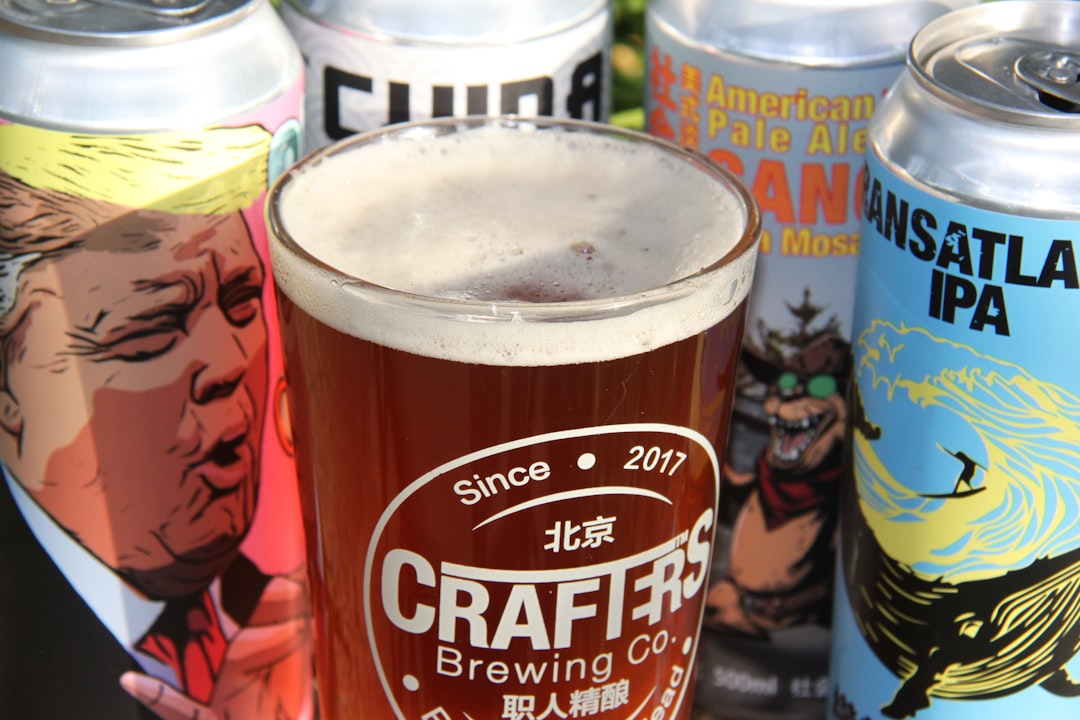
Keeping up with craft beer news updates is more than following a favorite brewery’s latest can drop; it’s a way for enthusiasts to spot trends, score limited releases, plan tasting events, and understand the forces shaping the beers on their shelves. For many craft beer lovers, timely news translates into better purchases, smarter cellaring, and more rewarded tastings. This article breaks down the kinds of news that matter, the best sources for reliable updates, practical ways to act on breaking stories, and the patterns that show up year after year.
Why Craft Beer News Updates Matter
Craft beer has grown from a niche to a vibrant, fast-moving industry. For readers who care about flavor, provenance, and the story behind each pint, news is the map that guides discovery. The most valuable craft beer news updates do several things:
- Reveal new releases and limited runs that sell out quickly.
- Explain shifts in ingredients or processes that affect taste—think hop shortages or new yeast strains.
- Signal market changes such as mergers, closures, or expanded distribution that alter availability.
- Spotlight sustainability and innovation that may influence future drinking options.
- Announce events and festivals where rare beers and collaborations appear.
For retailers and e-commerce sites, timely updates also mean better inventory planning. Beer Republic, for instance, uses supplier alerts and brewery newsletters to refresh its curated collections and fast-shipping offerings so fans can order sought-after bottles and cans as soon as they drop.
Types of Craft Beer News
Not all news carries the same weight. Understanding the common categories helps readers prioritize what to follow.
New Releases & Limited Drops
These are the bread-and-butter of craft beer excitement. Announcements about seasonal beers, one-off barrel-aged stouts, or small-batch IPAs usually include release dates, can counts, and distribution notes. Enthusiasts track these updates to decide whether to visit taprooms, enter raffles, or place online pre-orders.
Collaborations and Barrel Projects
Collaborations—between breweries, distilleries, or even chefs—often produce creative and collectible beers. Barrel projects, especially those involving bourbon, rye, or wine barrels, tend to be limited and age-worthy. Craft beer news updates in this category often hint at flavors and production techniques that set these releases apart.
Brewery Openings, Expansions, and Closures
Brewery openings expand access; closures can make rare labels instantly collectible. Expansion news—like new canning lines, taproom remodels, or distribution deals—can mean wider availability in a region. Conversely, a sudden closure might trigger a final sale or release that draws regional attention.
Awards, Ratings, and Festival Highlights
Awards at GABF, World Beer Cup, or local festivals boost a beer’s profile. Coverage of festival lineups, tapping schedules, and competition results often directs where enthusiasts should travel and what they should try.
Supply Chain & Ingredient News
Hop harvest reports, yeast-saving innovations, or packaging material shortages can ripple through styles and prices. Craft beer news updates that cover supply issues explain why a favorite beer may be reformulated or temporarily unavailable.
Regulatory & Tax Changes
Federal, state, or provincial laws shape distribution rights, tasting room operations, and shipping rules. Updates on legislation—such as changes to direct-to-consumer shipping—have immediate implications for how and where beer can be purchased.
Sustainability, Innovation, and Technology
News about water-saving brewing systems, zero-waste programs, or novel brewing tech is increasingly frequent. These stories give insight into long-term trends that could affect flavors, prices, and the environmental footprint of favorite breweries.
Mergers, Acquisitions, and Market Moves
When a small brewery is acquired by a larger company, fans want to know whether recipes or distribution will change. Market consolidation can increase availability in one region while reducing perceived independence—news updates help consumers weigh those trade-offs.
Where to Find Reliable Craft Beer News Updates
Quality matters. The craft beer space has a mix of official announcements, enthusiastic blogs, and social chatter. Here are trusted sources worth following.
Industry Publications and Trade Sites
- Brewers Association (US) and provincial associations (Canada) publish official trends, stats, and regulatory news.
- Trade sites and magazines provide long-form reporting on mergers, innovation, and big releases.
Brewery Websites and Newsletters
For the most accurate release info, brewery newsletters and official social channels are indispensable. Many breweries announce release mechanisms (taproom first, bottle shop allocation, or lottery) exclusively through their mailing lists.
Specialty Retailers and E-commerce Sites
Retailers who focus on craft beer—both local shops and national e-tailers—often post curated craft beer news updates, staff picks, and release calendars. Beer Republic’s site, for example, highlights new arrivals and limited collections, making it easy for readers to purchase or set alerts.
Apps and Platforms
- Untappd is useful for tracking check-ins, brewery posts, and release buzz.
- Apps that aggregate beer releases and events streamline discovery for people who want alerts about nearby drops.
Podcasts, YouTube, and Local Media
Interviews with brewers, behind-the-scenes tours, and tasting reviews often appear first on podcasts and video channels. Local food and drink reporters cover smaller taproom openings and hyper-local trends that bigger outlets miss.
Social Media and Forums
Twitter/X, Instagram, Reddit (r/beer), and Facebook groups can break news quickly. While speed is a plus, these platforms require extra verification—images and quotes may be accurate but lack context.
How to Read Between the Lines: Vetting News and Spotting Hype
Not every announcement deserves immediate action. Here are ways readers can separate meaningful craft beer news updates from marketing noise.
Check the Source
Reliable outlets list primary sources—brewer quotes, official press releases, or regulatory documents. If a story links back to a brewery’s announcement or a trade association, it’s more credible.
Look for Details
Important details include batch size, distribution scope (local, regional, national), and whether a beer is draft-only or packaged. Vague language—“coming soon” without dates—often signals marketing rather than a concrete plan.
Distinguish Hype from Substance
Limited runs and collaborations get heavy promotion. Evaluate whether the hype matches the beer style and brewery reputation. A new flavor adjunct or gimmick isn’t always worth chasing unless it aligns with a brewer’s track record.
Watch for Reforms and Rebrands
A brewery relaunching under a new name, or tweaking a recipe, may produce social chatter that looks like fresh news. Vet how much actually changes—sometimes only the label is different.
How to Act on Craft Beer News Updates
Once readers spot a headline worth following, they’ll want practical steps to secure, taste, and enjoy the beer. Here’s a blueprint.
Sign Up for Priority Access
- Join brewery mailing lists and retailer VIP clubs for presales and allocation notices.
- Follow local beer shops and distributors; they often post instant updates about incoming shipments.
Plan the Purchase Strategy
For high-demand releases, readers should know the release mechanism: first-come taproom, online raffle, or retailer allocation. If a beer is cellar-worthy, they may choose to buy extras; if it’s fresh-hopped or hop-forward, they’ll prioritize freshness and drink sooner.
Evaluate Cellaring vs. Drinking Now
- High-ABV barrel-aged stouts and barleywines generally improve with time.
- IPAs—especially hazy or hop-forward styles—are best within weeks to a few months of packaging.
Use Local Pickup or Fast Shipping
When timing matters, local pickup can be faster than shipping. For readers who prefer online convenience, retailers that offer fast shipping and curated collections—like Beer Republic—help reduce the chance of missing a short-lived release.
Share and Swap
Enthusiasts often trade or split bottles with friends. News updates alert collectors to grab an extra bottle for sharing at tastings or swapping with out-of-region beers.
Craft Beer Release Calendar: What to Expect Each Season
Understanding the yearly rhythm helps readers anticipate types of craft beer news updates and plan purchases.
- Winter (Dec–Feb) — Barrel-aged stouts, strong ales, and imperial seasonal releases; many breweries announce aged projects and reserve releases.
- Spring (Mar–May) — Saison and farmhouse styles, lighter lagers, and festival announcements; breweries begin to announce outdoor events.
- Summer (Jun–Aug) — Crisp lagers, pale ales, and fruited sours; many breweries release sessionable IPAs and host taproom parties.
- Fall (Sep–Nov) — Harvest beers, Oktoberfest lagers, pumpkin styles, and major festival seasons; limited barrel releases often begin to hit stores.
Some releases follow hop harvest cycles—wet-hopped and fresh-hop beers appear in early fall—while barrel-aged programs are often prepped months ahead but announced around the winter when many barrels are ready.
Trends to Watch in Craft Beer News Updates
Some recurring themes have dominated recent craft beer news updates; others are emerging. Here are the ones that matter most.
Hazy and Juicy Evolution
Rather than repeating the same formula, many breweries experiment with dry-hopping schedules, yeast strains, and adjuncts to differentiate their NEIPAs. Coverage often dives into brewer techniques and harvest-specific hop profiles.
Low-ABV, Sessionable, and Non-Alcoholic Options
Demand for lower-alcohol and NA brews continues to grow. News about improvements in flavor for these categories—improved dealcoholization methods, innovative adjuncts—appears frequently and affects listings on retailer sites.
Sustainability Headlines
Water reuse, solar-powered breweries, and circular packaging solutions are common topics. Stories that show measurable environmental impact (reduced water use per barrel, waste-to-energy projects) gain traction among both consumers and trade press.
Local Sourcing and Indigenous Ingredients
More breweries highlight local grain, unique hop varietals, and region-specific adjuncts. These stories connect consumers to place and can spark renewed interest in regional styles.
E-Commerce and Direct Shipping Developments
Regulatory changes and logistics improvements keep making craft beer more accessible online. News about expanded direct-to-consumer shipping or retailer partnerships influences where readers can buy certain beers.
How Retailers Like Beer Republic Use Craft Beer News Updates
Retailers that specialize in craft beer translate news into curated shopping experiences. Beer Republic, for example, monitors brewery press releases and distributor alerts to update its selection of top-rated American and Canadian brews. That approach benefits customers who want:
- Quick access to new and limited releases through curated collections.
- Fast shipping when a short-run beer becomes available outside the local market.
- Reliable product descriptions and tasting notes that reflect the latest brewer statements.
By combining industry news monitoring with strong supplier relationships, specialty retailers ensure readers get accurate, timely access to the beers they care about.
Case Studies: How News Shapes Buying Decisions
Illustrative scenarios show how craft beer news updates translate into action.
Limited Barrel Release
A craft brewery announces a 200-bottle release of a bourbon-barrel-aged imperial stout. The announcement includes tasting notes, a release date, and a statement that bottles will be available at the taproom and a small number to select retail partners. Enthusiasts who saw the update in a newsletter can:
- Join the taproom queue early or sign up for a retail lottery.
- Purchase additional bottles from a trusted retailer if allocated there—retailers with fast shipping may sell out in hours.
- Cellar a bottle for later tasting or plan a shared tasting with friends.
Distribution Expansion
A regional brewery announces new distribution into neighboring states. Craft beer news updates about this expansion let distant fans know where to find the beers without traveling. Retailers often increase inventory shortly after such announcements, and collections on e-commerce sites update accordingly.
Practical Tools and Habits for Staying Updated
Consistent habits help readers stay ahead without being overwhelmed.
- Create a news inbox: A dedicated email folder for brewery newsletters and trade alerts keeps messages from getting lost.
- Use app notifications selectively: Untappd and local shop apps can send alerts for nearby drops—limit notifications to high-priority breweries.
- Follow a handful of reliable reporters and publications: Quality over quantity reduces noise and improves signal.
- Set calendar reminders for seasonal windows: For fresh-hop or barrel-aged seasons, a simple reminder helps with planning.
Tips for Tasting and Documenting New Finds
When craft beer news updates lead to new purchases, experienced tasters take a few simple steps to get the most out of the beer.
- Note the release date and packaging date—freshness matters, especially for hop-forward beers.
- Serve at appropriate temperatures—lagers colder, stouts slightly warmer to reveal complexity.
- Use proper glassware to concentrate aromas and preserve head retention.
- Record tasting notes in an app or journal: aroma, appearance, flavor, mouthfeel, and finish.
- Compare with other batches if possible, especially for barrel-aged beers or series with multiple iterations.
What Brewers Want Readers to Know
When breweries issue craft beer news updates, they usually want to inform about timing, intent, and availability. Common messages include:
- Why a recipe changed (ingredient availability, flavor optimization).
- How a release will be allocated (taproom vs. retail allocation vs. online raffle).
- Whether a beer was brewed for a specific event or collaborator.
- Updates about sustainability, community programs, or charity partnerships.
Readers who understand the brewer’s perspective can appreciate why some releases are limited and why communication channels matter.
Frequently Asked Questions
How quickly do craft beer news updates become outdated?
Many news items—like release dates and announcements—are time-sensitive and can be outdated within hours for high-demand drops. Industry trends, regulatory changes, and brewery expansions tend to be relevant for months. Enthusiasts should treat release announcements as urgent and trend stories as ongoing context.
Which sources are best for getting authentic release information?
Brewery newsletters, official brewery social channels, and trusted retailers are the best places for authentic release details. Trade publications and industry associations are better for regulatory or market-wide news. Social media can be quick but should be cross-checked against primary sources.
How can readers avoid missing limited releases?
Sign up for brewery and retailer mailing lists, follow official social channels, join local beer clubs, and use apps that notify about nearby drops. Some stores and breweries use raffles or ticketing to allocate highly limited bottles—knowing the specific mechanism is crucial.
Are craft beer news updates regional or national?
Both. Some updates—like local taproom openings or hyper-local collaborations—are regional. Major industry news, large-scale distribution expansions, and national awards have broader effects. Readers should follow both local sources and national outlets for complete coverage.
Can retailers ship limited releases across state or provincial lines?
Shipping rules vary widely by jurisdiction. Some states and provinces allow direct-to-consumer shipments; others restrict out-of-state sales. Retailers like Beer Republic monitor shipping laws and often provide clear shipping policies so customers know whether a sought-after beer can be delivered to their location.
Conclusion
Following craft beer news updates pays dividends for enthusiasts who want to taste the latest innovations, find limited releases, and understand the industry’s broader movements. By relying on trusted sources—brewery newsletters, specialty retailers, trade publications, and vetted social accounts—readers can separate hype from substance and act quickly when a must-have beer hits the market. Retailers that specialize in craft beer, like Beer Republic, make the path from news to glass smoother with curated collections, fast shipping, and timely inventory that reflects the most current announcements. Whether readers chase a rare barrel-aged stout, mark their calendars for a hazy IPA drop, or simply want to stay informed about sustainability and distribution trends, a well-organized approach to craft beer news updates turns headlines into better drinking experiences.
