
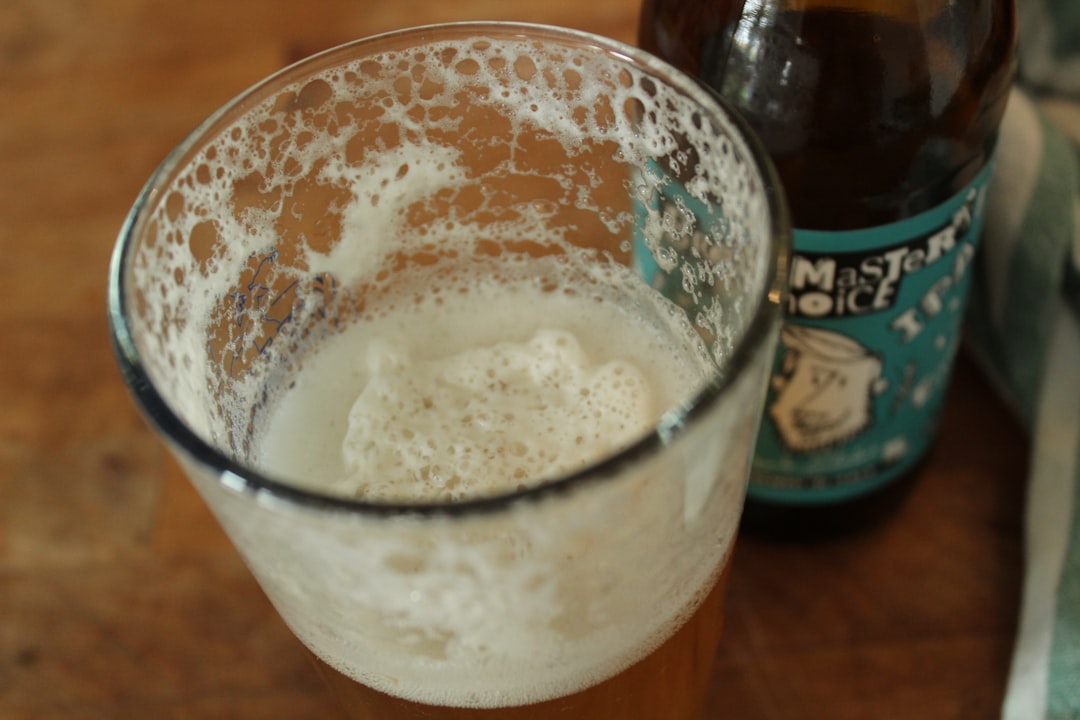
A compact, elegant collection of craft beer recipes starts with a clear balance of grain, hops, yeast, and water—and finishes with an honest tasting notebook. Whether the brewer is just starting or already tinkering with advanced techniques, this guide lays out everything needed to design recipes that deliver the intended aroma, mouthfeel, and flavor. Along the way it offers practical examples, troubleshooting tips, and inspiration sources—like sampling top-rated American and Canadian beers from Beer Republic—to refine the brewer’s palate and recipe ideas.
Why Craft Beer Recipes Matter
Recipes are more than ingredient lists. They’re roadmaps that translate an idea—say, a hazy, juicy IPA or a roasty breakfast stout—into a reproducible beer. Good craft beer recipes account for target gravity, hop bitterness, yeast character, mash profile, and the small techniques that turn a decent homebrew into a memorable one. They also create a learning loop: brew, taste, tweak, repeat.
Fundamentals: Ingredients and Measurements
Malt and Grains
Grain is the beer's backbone. Base malts (Pilsner, Pale, Vienna) supply fermentable sugars and color, while specialty malts (Crystal/Caramel, Chocolate, Roasted Barley) add sweetness, body, and roast. For clarity:
- Base malt – 70–100% of the grist, supplies enzymes for conversion.
- Crystal malt – adds caramel sweetness and color.
- Roasted malts – contribute coffee, chocolate, and roast notes.
- Adjuncts (oats, wheat, rye, lactose) – used to alter mouthfeel, head retention, and flavor.
Hops
Hops provide bitterness, flavor, and aroma. Each hop variety has a unique profile—citrus, pine, floral, tropical fruit. Brewers manage bitterness with the timing of hop additions:
- Boil additions (60 min) → bitterness
- Flavor additions (15–30 min) → flavor
- Late/Whirlpool additions (0–10 min off-boil) → intense flavor with less bitterness
- Dry hopping (fermentation or post-fermentation) → aroma and perceived juiciness
Yeast
Yeast defines fermentation character: clean (American ale yeast), fruity/phenolic (Belgian strains), estery (English strains), or haze-producing and ester-forward (some New England IPA strains). Yeast selection affects attenuation, flocculation, and final flavor.
Water
Water chemistry matters. Ions like calcium, sulfate, and chloride influence mash efficiency, hop perception, and mouthfeel. Brewers don’t need a lab to start, but understanding simple adjustments—like adding calcium chloride to round malt character or gypsum to accentuate hop bitterness—elevates results.
Key Measurements
- Original Gravity (OG) – sugar concentration before fermentation; predicts potential alcohol.
- Final Gravity (FG) – density after fermentation; indicates residual sweetness and attenuation.
- ABV – alcohol by volume, calculated from OG and FG.
- IBU – International Bitterness Units; perceived bitterness from hops.
- SRM – Standard Reference Method for color.
How to Formulate a Craft Beer Recipe
Recipe building is a stepwise process. Experienced brewers balance creativity with numbers; beginners can follow a clear checklist and learn by tweaking.
- Pick a style or inspiration. Decide what’s the target: a crisp Helles, a hazy IPA, or a milk stout.
- Set targets. Choose OG, FG, ABV, IBU, and SRM based on style guidelines or tasting notes from a commercial beer (Beer Republic’s catalog is handy for inspiration).
- Create a grain bill. Start with base malt, then add specialty malts for color and flavor. Aim for a balanced body that matches the style.
- Design a hop schedule. Map additions by time and purpose: bitterness, flavor, aroma, dry hop.
- Choose yeast and fermentation profile. Temperature influences esters and attenuation—control it to steer the beer’s character.
- Decide on process tweaks. Consider mash temperature, step mashes, whirlpool hops, and secondary additions (fruits, coffee, oak).
- Calculate and convert. Use brewing software or online calculators for IBU, mash thickness, and expected efficiencies.
Starter Craft Beer Recipes (5-Gallon Batch)
Below are several approachable, tested recipes for different styles. Each includes an extract-friendly alternative or Brew-In-A-Bag (BIAB) notes for brewers without full all-grain setups.
1. American Pale Ale (Classic, Drinkable)
Profile: Crisp malt backbone, citrus and pine hop notes, moderate bitterness.
- Batch size: 5 gallons
- OG: 1.050 | FG: 1.012 | ABV: ~5.0% | IBU: 40 | SRM: 6
- Grain/Extract:
- 9 lb Pale malt (or 6 lb Pale liquid malt extract + 3 lb light dry malt)
- 1 lb Munich malt
- 8 oz Crystal 20L
- Hops:
- 1 oz Cascade (60 min)
- 0.5 oz Cascade (15 min)
- 1 oz Citra (5 min)
- 1 oz Citra (dry hop, 4 days)
- Yeast: Wyeast 1056 / Safale US-05
- Mash: 152°F (67°C) for 60 min (all-grain). BIAB: 152°F for 60 min.
- Ferment: 66–68°F for primary; dry hop 3–4 days after active fermentation slows.
2. New England IPA (Hazy, Juicy)
Profile: Soft bitterness, heavy late hopping and dry hopping, oat or wheat for haze and silky body.
- Batch size: 5 gallons
- OG: 1.064 | FG: 1.014 | ABV: ~6.5% | IBU: 20–30 | SRM: 4–6
- Grain:
- 9 lb Pilsner or Pale malt
- 2 lb Flaked oats
- 1 lb Wheat malt
- 8 oz Acidulated or small crystal 10L (optional)
- Hops (all late/whirlpool/dry):
- 0.5 oz Citra (whirlpool at 180°F, 20 min)
- 1 oz Mosaic (whirlpool)
- 2 oz Citra (dry hop)
- 2 oz Mosaic (dry hop)
- Yeast: London Ale III (Wyeast 1318) or a New England-focused strain
- Mash: 152°F for 60 min. Use water with higher chloride for a rounder mouthfeel.
- Ferment: 64–68°F. Cold crash lightly after dry hopping to improve settling.
3. Milk Stout (Creamy, Dessert-Like)
Profile: Roasted chocolate notes, sweetened with lactose for a fuller body.
- Batch size: 5 gallons
- OG: 1.060 | FG: 1.016 | ABV: ~5.6% | IBU: 30 | SRM: 40
- Grain:
- 8 lb Pale malt
- 1 lb Flaked barley
- 8 oz Chocolate malt
- 8 oz Roast barley
- 1 lb Lactose (add at last 10 minutes of boil)
- Hops:
- 1 oz East Kent Goldings (60 min)
- 0.5 oz East Kent Goldings (15 min)
- Yeast: English Ale (Wyeast 1968) or Safale S-04
- Mash: 154°F for 60 min to leave body and sweetness.
- Ferment: 64–68°F.
4. Belgian Wit (Spiced Wheat Beer)
Profile: Light, zesty, with coriander and orange peel; cloudy and refreshing.
- Batch size: 5 gallons
- OG: 1.048 | FG: 1.009 | ABV: ~4.9% | IBU: 12 | SRM: 3
- Grain:
- 5 lb Wheat malt
- 5 lb Pilsner malt
- Adjuncts/Spices:
- 1 oz crushed coriander (added at 5 min)
- Zest of 2 oranges (added at flameout or 5 min)
- Yeast: Wyeast 3944 or White Labs Belgian Wit
- Mash: 152°F for 60 min.
- Ferment: 68–72°F for lively ester profile.
5. Helles Lager (Clean, Malty — Requires Temperature Control)
Profile: Dinged with malt sweetness, low hop bitterness, crystal-clear if properly lagered.
- Batch size: 5 gallons
- OG: 1.047 | FG: 1.010 | ABV: ~4.8% | IBU: 18 | SRM: 4–5
- Grain:
- 10 lb Pilsner malt
- 8 oz Munich malt (optional)
- Hops: Hallertau or Saaz; 1 oz @ 60 min, 0.5 oz @ 10 min
- Yeast: Lager strain (Wyeast 2124 or Saflager W-34/70)
- Mash: 149–152°F to leave some body.
- Ferment: Start at 50°F, rise to 55°F for diacetyl rest, then lager at ~35°F for 4–8 weeks.
All-Grain, Extract, and BIAB: Pros, Cons, and Conversions
Every method produces great beer; choice depends on time, budget, and equipment.
- Extract Brewing – quickest entry point. Uses malt extract for fermentable sugars. Easier control, fewer variables. Good for beginners and for reliably repeating recipes.
- All-Grain – full control over the grain bill and mash. Better for building complex malt profiles and learning mash chemistry. Requires more equipment and time.
- Brew-In-A-Bag (BIAB) – a hybrid: all-grain simplicity in one kettle using a grain bag. Space- and cost-efficient; suits small batches well.
To convert an all-grain recipe to extract, replace ~75–80% of the base malt with the equivalent weight of liquid or dry malt extract and keep specialty grains as steeped additions. Use brewing calculators to adjust for extract color and fermentability.
Advanced Techniques to Elevate Craft Beer Recipes
Kettle Souring (Sour Beers)
Fast souring method: boil, cool to 110°F, inoculate with lactobacillus, hold 24–72 hours until desired pH (typically 3.3–3.6), then boil again to kill bacteria before regular fermentation. Great for fruited sours and Goses.
Whirlpool and Hop Stands
Use a whirlpool at 170–180°F to extract hop oils without harsh bitterness. It’s essential for intense hop flavor in IPAs without excessive IBU.
Barrel Aging and Oak Chips
Barrel aging introduces oxidation, vanilla, and tannins. Oak chips are an easier way to mimic barrel influence—dose lightly and sample frequently.
Adjuncts: Coffee, Chocolate, Fruit, Lactose
Timing matters: coffee and cocoa added post-fermentation preserve aroma; fruit can be added in secondary or at bottling depending on desired fermentation and sweetness; lactose adds unfermentable sweetness—great in stouts.
Troubleshooting Common Issues
Off-Flavors
- Diacetyl (buttery) – often from premature yeast removal or low fermentation temps; allow diacetyl rest or raise temp briefly.
- Acetaldehyde (green apple) – incomplete fermentation/young beer; give yeast time to clean up.
- Harsh Bitterness – boil time or hop additions miscalculated; whirlpool hops at lower temps for flavor not bitterness.
- Sulfur/Rotten-Egg Smell – common with certain yeast strains early on; usually dissipates with conditioning.
Stuck Fermentation
Causes: low yeast pitch, low temperatures, nutrient deficiency, or poor oxygenation. Solutions: gently rouse yeast, increase temperature, or add more yeast (a slurry or rehydrated pack).
Clarity and Haze
Hazy beers are intentional, but for clarity: cold crash, use fining agents (isinglass, gelatin), or add Irish moss during the boil.
Scaling Recipes and Calculations
Scaling a recipe up or down requires adjusting grain bills, hop quantities, and water volumes by the batch size ratio. Maintain the same gravity and bitterness targets by scaling proportionally. For IBU targets, account for utilization differences when changing boil size or hop form.
- Batch Volume Ratio = New Batch Size / Original Batch Size
- Ingredient Quantity = Original Ingredient × Batch Volume Ratio
Remember: equipment efficiency affects gravity. If the brewery’s efficiency differs, adjust the grain bill accordingly. Software and calculators handle most of these conversions accurately.
Using Commercial Brews as Recipe Inspiration
Commercial beers are excellent laboratories. Beer Republic’s wide selection of American and Canadian craft beers makes it easy for brewers to explore styles and dial in sensory notes. Tasting a well-made IPA from the West Coast can reveal hop character and bitterness levels to aim for; sampling a Canadian stout can highlight roast and sweetness balance. When crafting a clone recipe, the brewer should:
- Take thorough tasting notes: aroma, flavor, mouthfeel, finish.
- Identify dominant ingredients (citrus hops, chocolate malt, lactose, fruit).
- Estimate color and bitterness visually and via known style ranges.
- Iterate: brew, compare side-by-side, and tweak the next batch.
Beer Republic can serve as both a source of inspiration and a way to benchmark results—ordering a flight of different IPAs or stouts is an efficient research method before formulating a recipe.
Sourcing Ingredients and Equipment
Homebrewing supplies are widely available at local homebrew shops and online. Essentials include:
- Brewing kettle (at least 8–10 gallons for 5-gallon batches)
- Fermenter (carboy or food-grade bucket)
- Airlock and stopper
- Hydrometer or refractometer
- Thermometer
- Siphon, bottling bucket, bottles/caps or kegging system
- Sanitizer (no-rinse starsan highly recommended)
Specialty ingredients—rare hops, unique yeast strains, and specialty malts—are best ordered online or from a well-stocked local shop. For inspiration and tasting references, Beer Republic’s curated collection of top-rated craft beers complements the practical shopping list.
Practical Brew Day Checklist
Organization makes the brew day smoother. Here’s a compact checklist:
- Sanitize all fermentation equipment before contact with wort.
- Check water volume and heat strike water to the right temperature if all-grain.
- Measure and weigh grains and hops precisely.
- Record pre-boil gravity to monitor efficiency.
- Follow the hop schedule and note timing precisely.
- Cool wort quickly after the boil to pitching temperature.
- Aerate or oxygenate wort before pitching yeast.
- Capable fermentation temperature control (even a swamp cooler helps for ales).
- Label the fermenter with style, OG, date, and expected FG.
Legal and Safety Notes
Homebrewing for personal consumption is legal in many countries and U.S. states, but regulations about volume, distribution, and sales vary. Commercialization requires permits and compliance with local laws. Safety on brew day is paramount: watch for hot liquids, sanitize properly to avoid infections, and store chemicals safely.
Bringing Beer Republic Into the Brewing Journey
Beer Republic serves craft beer lovers who want to explore, compare, and be inspired by high-quality American and Canadian brews. For a homebrewer designing craft beer recipes, Beer Republic’s collections can function as sensory reference points. Sampling a carefully curated IPA pack or a seasonal stout flight gives the brewer concrete flavor targets and jumpstarts recipe ideation. While Beer Republic doesn’t sell brewing ingredients, its fast-shipping inventory and style-focused collections make it a useful tool in the recipe-development toolkit.
Conclusion
Craft beer recipes combine science with art. Beginning with clear targets—OG, IBU, color, and a sensory picture—and moving methodically through grain selection, hop scheduling, yeast choice, and process tweaks produces reliable, repeatable beers. The best way to learn is to brew, taste, and refine, using both home experiments and commercial references. Brewers of all levels will find that thoughtful recipes, consistent technique, and good tasting notes are the surest path to beers worth sharing.
Frequently Asked Questions
How should a beginner pick their first craft beer recipe?
Start with a forgiving style like an American Pale Ale or a Porter, and use an extract or BIAB recipe to simplify the process. Focus on sanitation, fermentation control, and taking notes. Repeat the same recipe a few times to learn how small changes affect the outcome.
Can commercial beers inspire clone recipes reliably?
Yes. Tasting commercial beers—especially side-by-side with known style references—helps identify dominant hop varieties, malt sweetness, roastiness, and body. Use those notes to set targets and iterate. Beer Republic’s curated selections make the comparison step easier.
What’s the biggest common mistake when writing craft beer recipes?
Underestimating yeast and fermentation control. Even a perfect grain bill won’t save a beer fermented outside the yeast’s temperature range. Pitch enough healthy yeast, aerate properly, and maintain appropriate fermentation temperatures.
How important is water chemistry for homebrewers?
It depends on the style. Water chemistry makes a noticeable difference for highly hopped beers (IPAs) and delicate lagers. Simple adjustments can be made with gypsum and calcium chloride, but many brewers succeed by focusing on other variables first and adjusting water later as needed.
Is it better to bottle or keg finished homebrew?
Kegging offers faster carbonation control, less oxygen pickup, and easier serving, but requires an upfront investment. Bottling is low-cost and portable. Many brewers start with bottles and move to kegging once they brew regularly.
