
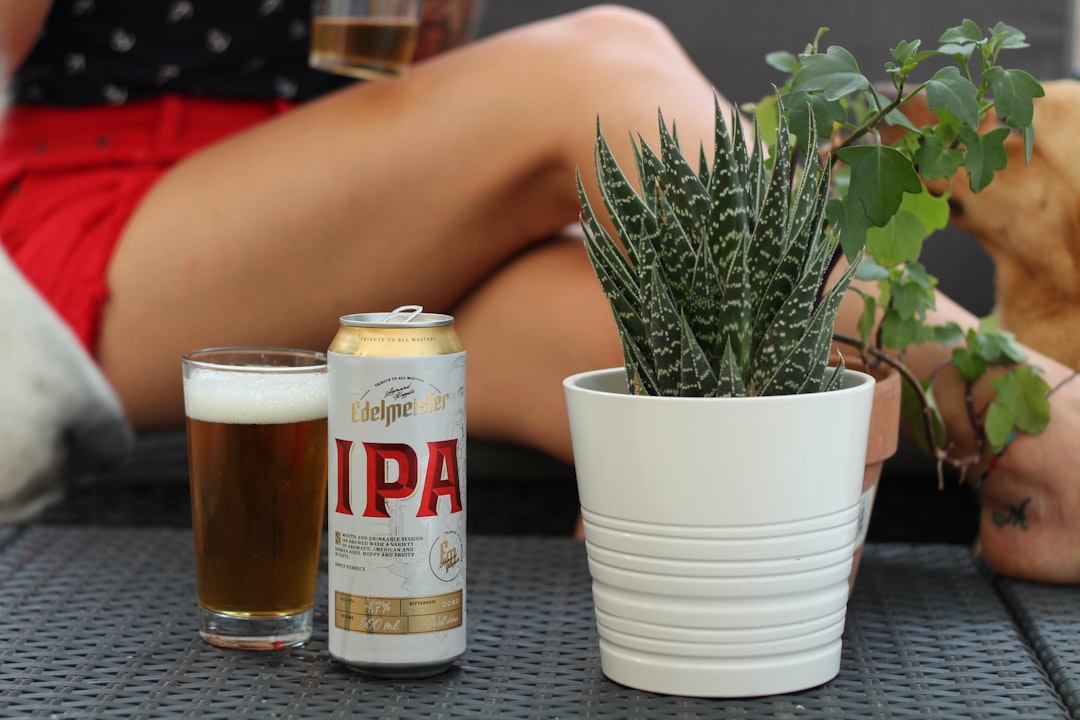
IPA beer styles have exploded into an astonishing array of flavors and formats over the past two decades. From the piney bitterness of classic West Coast IPAs to the soft, fruit-forward haze of New England versions, there's an IPA for almost every palate. This guide walks readers through the history, key ingredients, major substyles, tasting tips, food pairings, brewing essentials, and how to pick the right IPA—whether buying from a local taproom or ordering online from a curated shop like Beer Republic.
A Quick History of the IPA
The story of IPAs starts with a practical problem: getting beer to British troops and colonists in India during the 18th century. Brewers increased alcohol and hops—both preservatives—to help beer survive long sea voyages. The result was a hoppier, often stronger pale ale. That export beer became known as the India Pale Ale, and the name stuck.
IPAs evolved regionally. English IPAs kept a balance between malt and hop character, while the American craft movement put domestic hop varieties front and center. Modern innovations—new hop genetics, dry-hopping techniques, and creative adjuncts—have birthed dozens of IPA beer styles that often stray far from the original concept. Still, at their core, IPAs celebrate hops.
What Shapes an IPA?
Several factors determine how an IPA tastes and looks. Understanding them helps when tasting or shopping.
- Hops: The star ingredient. Different hop varieties bring citrus, tropical fruit, resinous pine, floral or dank aromas.
- Malt: Provides body and sweetness. Most IPAs use pale malts, but specialty malts alter color and mouthfeel.
- Yeast: Yeast strain influences esters (fruity notes) and attenuation, and determines clarity in styles like New England IPA.
- Water: Mineral content—especially the ratio of sulfate to chloride—shapes perceived bitterness vs. roundness.
- Technique: Mash temperature, boil length, hop additions (whirlpool, dry hop), and fermentation temperature all shape the final profile.
Some technical terms to know:
- IBU (International Bitterness Units): a measure of bitterness from hops.
- ABV (Alcohol By Volume): percentage of alcohol in the beer.
- SRM (Standard Reference Method): a numeric measure of beer color.
Major IPA Beer Styles
Below are the most influential and commonly encountered IPA beer styles, with tasting notes, typical ABV/IBU ranges, hop suggestions, and pairing tips.
English IPA
Originating from the traditional IPA, the English IPA leans toward earthy, floral, and bitter hop character balanced by a noticeable malt backbone. It’s not as hop-forward in aroma as many modern American styles.
- Typical ABV: 5.5–7.5%
- Typical IBU: 40–60
- Hops: East Kent Goldings, Fuggles
- Profile: Herbal, floral, biscuit malt
- Pairings: Roast chicken, sharp cheddar, hearty pies
American IPA
American IPAs spotlight US hop varieties—bright citrus, pine, resin, and tropical fruit. They often have a cleaner malt canvas and a noticeable hop bitterness.
- Typical ABV: 5.5–7.5%
- Typical IBU: 50–75
- Hops: Cascade, Centennial, Amarillo, Simcoe, Citra
- Profile: Citrus, pine, grapefruit, resin
- Pairings: Spicy tacos, burgers, grilled salmon
West Coast IPA
Often considered a subcategory of American IPA, West Coast IPAs emphasize clean bitterness, clarity, and resinous hop character. They’re dryer and crisper than hazy styles.
- Typical ABV: 6–8%
- Typical IBU: 60–100
- Hops: Simcoe, Centennial, Columbus
- Profile: Pine, grapefruit, resin, pronounced bitterness
- Pairings: BBQ, sharp cheeses, fried foods
New England / Hazy / Juicy IPA
New England IPAs (NEIPAs) revolutionized the category with soft mouthfeel, opaque appearance, and huge fruit-forward aromas. They’re less bitter, focusing on hop oils captured through heavy dry-hopping and yeast choices that accentuate tropical esters.
- Typical ABV: 6–7.5%
- Typical IBU: 20–50 (perceived bitterness is lower)
- Hops: Citra, Mosaic, Galaxy, Nelson Sauvin
- Profile: Juicy mango, orange, peach, soft mouthfeel
- Pairings: Sushi, spicy Thai food, creamy desserts
Double / Imperial IPA
Double or Imperial IPAs ratchet up everything: hops, malt, and alcohol. They’re intense, often resinous and boozy, with big hop aroma and a fuller body to balance the alcohol.
- Typical ABV: 8–12%+
- Typical IBU: 70–120
- Hops: Bold varieties; often multiple additions
- Profile: Powerful citrus/pine, boozy warming sensation
- Pairings: Blue cheese, rich stews, dark chocolate
Session IPA
Session IPAs deliver the hop flavor of an IPA but with lower ABV—built for prolonged enjoyment without overwhelming the drinker. Brewers decrease malt-sugar and use techniques to keep hop intensity while lowering alcohol.
- Typical ABV: 3–5.5%
- Typical IBU: 30–60
- Hops: Varied—often citrusy/tropical
- Profile: Light body, bright hop aroma, easy drinkability
- Pairings: Salads, seafood, brunch
Black IPA / Cascadian Dark Ale
Black IPAs blend roasted malt character and dark color with hop-forward profiles. Expect roasted coffee or chocolate notes under a layer of piney or citrus hops.
- Typical ABV: 5.5–8%
- Typical IBU: 50–90
- Hops: American varieties balanced by dark malts
- Profile: Roast, chocolate, pine
- Pairings: BBQ, smoked meats, grilled vegetables
Belgian IPA
Belgian IPAs combine spicy, fruity Belgian yeast esters with assertive hopping. The result is often effervescent, with unique esters that play against citrus and floral hops.
- Typical ABV: 6–8.5%
- Typical IBU: 40–70
- Hops: European and American varieties
- Profile: Clove/pepper esters with hop citrus
- Pairings: Mussels, Belgian-style frites, rich cheeses
Rye IPA
Rye adds a spicy, peppery backbone to the hop profile, giving IPAs a slightly drier, grainier complexity.
- Typical ABV: 6–8%
- Typical IBU: 50–80
- Profile: Spicy, grainy, with hop citrus or resin
- Pairings: Cured meats, smoked dishes, hard cheeses
Milkshake IPA
Milkshake IPAs are a playful, dessert-like take. Brewers add lactose (unfermentable sugar), fruit purées, and sometimes vanilla to create a creamy, sweet IPA with low perceived bitterness.
- Typical ABV: 6–8%
- Profile: Sweet, creamy, jammy fruit
- Pairings: Fruit desserts, cream-based dishes
Brut IPA
Brut IPAs are extremely dry, with high attenuation and light body. They emphasize effervescence and crispness over bitterness or sweetness, often presenting champagne-like dryness.
- Typical ABV: 6–7.5%
- Profile: Very dry, effervescent, light tropical or citrus hops
- Pairings: Raw oysters, sushi, light salads
Sour / Fruited IPAs and Experimental Hybrids
IPA innovation continues with sours, barrel-aged versions, and fruited IPAs where acidity, Brettanomyces, or oak aging mixes with hop aromas for complex, sometimes wild results.
- Profile: Tartness balanced with hop aroma and fruit
- Pairings: Fruit-forward desserts, sharp cheeses, spicy foods
How to Taste and Evaluate IPAs
Tasting IPAs is part art, part science. A consistent approach helps pick up nuance and assess quality.
- Look: Observe color, clarity, and head retention. Clarity can indicate style—hazy vs. clear—and sediment.
- Smell: Take a deep inhale. Hops dominate an IPA’s aroma—citrus, pine, tropical, resin, or floral notes should be obvious depending on the style.
- Taste: Let the beer coat the palate. Notice initial sweetness, mid-palate hop flavors, and the bitterness on the finish.
- Mouthfeel: Note body, carbonation, and whether it feels silky, prickly, or full.
- Finish: Look for balance. Is the bitterness pleasant or sharp? Any off-flavors like cardboard (oxidation) or vegetal (underprocessed hops)?
Serve IPAs in a tulip or IPA glass to concentrate aromas. Ideal temperature often ranges from 45–52°F for most IPAs; lighter, crisper IPAs can be a touch colder, while higher ABV or imperial versions can be slightly warmer to reveal complex aromatics.
Brewing and Homebrewing Tips for IPAs
Homebrewers and craft brewers chasing the perfect IPA focus on hop management, fermentation control, and water chemistry.
- Hop Schedule: Use late additions, whirlpool hops, and dry-hopping to maximize aroma without adding excessive bitterness.
- Water Profile: A higher sulfate-to-chloride ratio emphasizes hop crispness (West Coast), while more chloride gives a softer, rounder mouthfeel (NEIPA).
- Yeast Choice: Clean ale strains suit West Coast IPAs; estery English strains work for Belgian/English styles; specific NEIPA yeasts add softness and haze.
- Dry Hopping Techniques: Use gentle agitation to extract oils and consider Double Dry Hopping (DDH) for huge aroma. Beware of excessive polyphenols causing astringency.
- Oxygen Management: Minimize oxygen post-fermentation to preserve hop aroma—oxidation kills bright hop character.
- Cold Crash and Clarification: For clear IPAs, cold crash and fining agents help. For hazy styles, avoid aggressive clarification.
For homebrewers wanting a quick upgrade: prioritize hop freshness, store hops in the freezer, and track fermentation temperatures closely. Small changes yield big flavor differences.
How to Choose the Right IPA at a Store or Online
When picking an IPA, consider the following:
- Freshness: Hops fade over time. Look for canning/bottling dates—choose the freshest stock. Beer Republic emphasizes fast shipping and often curates fresh arrivals, which helps ensure peak hop aroma on delivery.
- Packaging: Cans typically protect hops better than clear glass bottles. Many breweries prefer cans for hop-forward IPAs.
- Style Match: Decide whether the drinker wants bitterness and pine (West Coast), soft fruit (NEIPA), or something sessionable. Read the tasting notes.
- IBU vs Perception: Don't rely solely on IBU. Perceived bitterness depends on balance. A low-IBU NEIPA can taste less bitter than a higher-IBU West Coast IPA.
- Small-Batch & Limited Releases: For collectors, Beer Republic’s curated selection of top-rated American and Canadian craft beers includes seasonal IPAs and special releases—perfect for discovering novel hop combinations.
Practical tip: if shopping a mixed-case or sampler, include one of each major substyle to compare side-by-side. It's the fastest way to refine preferences.
Pairing IPAs With Food
Hops can stand up to bold flavors and cut through fat. Here are reliable pairings by IPA type:
- West Coast IPA: Smoky BBQ, spicy sausages, sharp aged cheeses
- New England IPA: Spicy Asian cuisine, creamy pasta, sashimi
- Session IPA: Brunch dishes, salads, light seafood
- Double/Imperial IPA: Rich meats, chocolate desserts, pungent blues
- Black IPA: Smoked or charred dishes, grilled portobellos, chili
General rule: match intensity—don’t pair a delicate dish with a 10% ABV hop bomb unless the goal is contrast.
Storing and Collecting IPAs
IPAs are best enjoyed fresh. Hop aroma diminishes over time, and oxidation can flatten bright flavors. Here are storage tips:
- Temperature: Keep IPAs cool—ideally 38–50°F. Refrigeration slows hop degradation.
- Light: Avoid sunlight—UV damages hops and creates off-flavors.
- Cellaring: Most IPAs aren't ideal for long-term cellaring, except for barrel-aged or intentionally oxidized variants. Even then, expect flavor changes.
- Shipping Fresh Beer: When ordering online, look for sellers who ship quickly and package cold. Beer Republic’s fast shipping and curated collections help ensure IPAs arrive in peak condition.
Common Off-Flavors in IPAs and What They Mean
Knowing off-flavors helps evaluate whether a beer is flawed:
- Oxidation (papery/cardboard): Stale hop character, dull aromas—common in old beer or poor storage.
- DMS (cooked corn): Often caused by insufficient boil or poor cooling.
- Vegetal/Grassy: Can come from under-processed hops or using too many early hop additions.
- Harsh Astringency: Over-extraction from long boil hops or excessive dry-hopping with polyphenol-rich hops.
Trends and What’s Next for IPA Beer Styles
IPA innovation shows no signs of slowing. Current trends include:
- Lower-ABV IPAs: Drinkability is in—brewers want to preserve hop character while making sessionable options.
- Hazy Perfection: Continuous refinement of NEIPA clarity and stability.
- New Hop Varieties: Hop breeding yields novel aromatics—think grape, white wine, or highly tropical varietals.
- Mixed Fermentation IPAs: Souring organisms and Brett bring funk to hoppy beers for unique complexity.
- Barrel Aging & Hybrid Styles: Barrel-aged IPAs and oak-influenced hop monsters are growing among craft-forward drinkers.
For shoppers, this means an exciting variety at retailers and online stores. Beer Republic’s rotating selection often reflects these trends, making it a good place to explore the cutting edge.
Practical Examples: Buying an IPA Sampler
Putting together a sampler is a great way to explore IPA beer styles. A recommended 6-pack sampler might include:
- Session IPA – For approachability and to warm up the palate.
- West Coast IPA – For contrast with crisp bitterness and pine notes.
- New England IPA – To experience juicy hop aromatics and soft mouthfeel.
- Double/Imperial IPA – For intensity and higher alcohol.
- Black IPA – To explore hop-roast interplay.
- Experimental/Fruited IPA – To try how adjuncts and fermentation styles change the IPA template.
When ordering, check tasting notes and freshness dates. Stores specializing in craft beer like Beer Republic often label freshness details and curate theme-based packs to simplify exploration.
Conclusion
IPA beer styles offer one of the craft beer world’s richest landscapes: from restrained English IPAs to outrageously hoppy imperials and pillowy New England versions. Learning a few basics—how hops, malt, yeast, and technique shape flavor—makes it easier to find IPAs that fit a drinker’s taste. Whether someone prefers the sharp bitterness of a West Coast IPA or the soft fruitiness of a hazy IPA, there’s a path to discovery.
For those who like convenience and variety, curated retailers like Beer Republic make exploration easy with expert-selected American and Canadian craft beers, fast shipping, and themed IPA collections to help narrow the field. The best strategy is simple: buy a mixed sampler, keep it cold, taste side-by-side, and take notes. Over time, preferences will sharpen and the world of IPA beer styles will keep delivering surprises.
Frequently Asked Questions
What’s the difference between an American IPA and a New England IPA?
American IPAs often emphasize clarity, pronounced bitterness, and pine/citrus hop characters. New England IPAs (NEIPAs) prioritize juicy, tropical hop aromas, softer bitterness, and a hazy appearance produced by specific yeast strains and heavy dry-hopping.
How long do IPAs stay fresh?
IPAs are best within a few weeks to a few months of packaging—especially hop-forward styles. Hazy and heavily fruited IPAs should be consumed even sooner. Proper cold storage and choosing cans over clear bottles help maximize freshness.
Are IPAs good for food pairing?
Yes. Hops cut through fat and stand up to bold flavors. Crisp West Coast IPAs pair well with BBQ and spicy foods, while juicy NEIPAs complement sushi and creamy dishes. Match the intensity of the beer and the food for the best results.
What does “double dry-hopped (DDH)” mean?
DDH means the beer received two (or more) dry-hop additions, often boosting aroma dramatically. It’s a popular tactic for maximizing hop nose without pushing bitterness.
Can IPAs be low-calorie or low-ABV?
Yes. Session IPAs and modern low-ABV formulations aim to deliver hop flavor with fewer calories and less alcohol. Brewers often use dextrins, modified mashing, and careful hop timing to preserve aroma while reducing ABV.
